Southeast Asia Health: Regional Trends & Local Realities
Healthcare in Southeast Asia has its own realities — different disease patterns, cost structures, and access barriers than what most global health content assumes. This hub focuses specifically on the region: local disease trends, what care actually costs, and why AI-driven access matters here in particular.

Privacy and AI Healthcare Apps: What Data Do They Actually Collect
Only 30% of health apps have a privacy policy. 65% of AI-powered apps transmit data unencrypted. This article breaks down what data is collected, how it’s used, and what Southeast Asian regulations (PDPA, Thailand PDPA) actually require—plus steps you can take today to protect your health data.

Online Insomnia Treatment: Can Digital Programs Replace Sleeping Pills?
Online insomnia treatment using digital cognitive behavioral therapy (CBT-I) is as effective as face-to-face therapy and outperforms sleeping pills for long-term sleep maintenance. In Malaysia, where 30% of adults struggle with insomnia, digital programs offer a scalable, evidence-based alternative. This article reviews the data, compares local options, and explains when to see a doctor.

Barriers to Therapy in Asia: Why Most Don't Get Help
Therapy is out of reach for most Southeast Asians due to cost, stigma, and a severe shortage of psychiatrists. This guide breaks down the real barriers and offers practical, culturally accepted alternatives.

How to Talk to Someone About Their Mental Health
A comprehensive guide to understanding How to Talk to Someone About Their Mental Health, when to seek medical care, and how to manage it effectively.

7 Signs You Have Anxiety (Even If You Think You Don't)
Anxiety isn't just worry—it's a systemic condition affecting your body, behaviour, and relationships. Learn the 7 hidden signs you have anxiety, why Southeast Asians often miss them, and practical steps to regain control.

Best Online Therapy Platforms 2025 Southeast Asia: 9 Things to Check
Online therapy works—but only if you choose the right platform. This guide covers the 9 non-negotiables for Southeast Asian users, from PDPA compliance to local payment methods.

Machine Learning Early Disease Detection: 2025 SEA Guide
Machine learning detects diseases like cancer, diabetes, and tuberculosis years before symptoms appear — with accuracy up to 94.6%. Here's how it works in Southeast Asia, what it means for you, and why it won't replace your doctor.

AI vs Traditional Doctor Visit: When to Use Each in SEA
AI symptom checkers and doctors each have distinct strengths in Southeast Asia. This guide compares diagnostic accuracy, costs, and cultural factors to help you choose the right first step for your health concern.

AI Mental Health Triage: Opportunities and Ethical Risks in SE Asia
AI mental health triage uses algorithms to prioritise and screen patients before human consultation. Evidence shows up to 30% reduction in wait times but accuracy varies from 60% to 95%. This article examines the opportunities and ethical minefields specific to Southeast Asia.
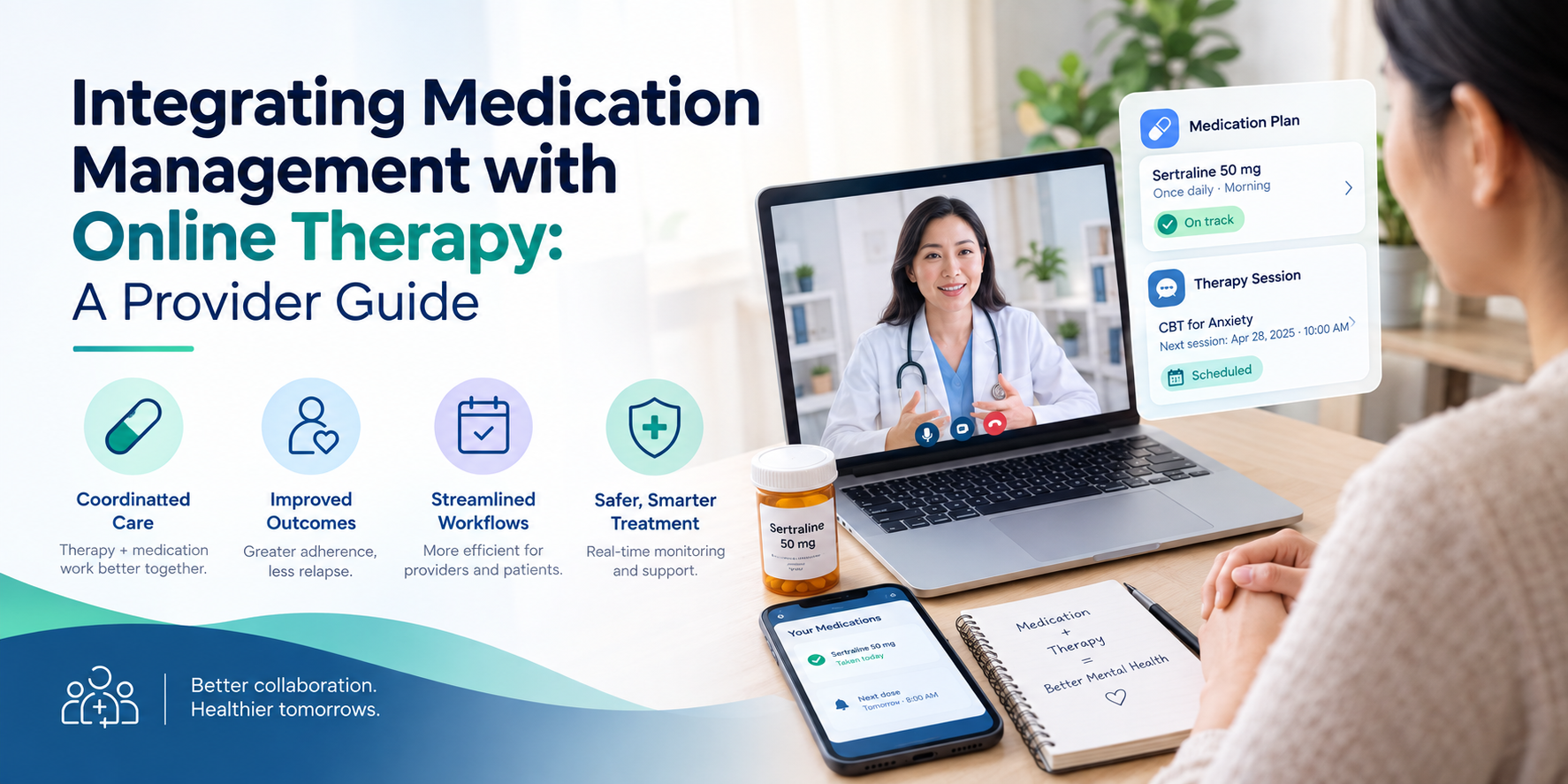
Integrating Medication Management with Online Therapy: A Provider Guide
Integrating medication management with online therapy improves outcomes by up to 45% in collaborative care models. This guide covers practical workflows, Malaysian MOH regulations, and safety protocols for Southeast Asian providers.

Digital Hypertension Management Southeast Asia: 2025 Guide
Only one-third of Southeast Asians with hypertension have controlled blood pressure. Digital tools—remote monitoring, telehealth coaching, and mobile apps—can close this gap by 5–10 mmHg, but only when adapted to regional realities like low digital literacy and high-sodium diets.

The Future of Telehealth in Malaysia: What Patients Need to Know
Telehealth in Malaysia is entering a new phase beyond pandemic novelty. With the National Telehealth Policy (2022), AI-powered triage, and evolving insurance coverage, patients can now access safe, regulated virtual care. Learn what changes matter most and how to navigate them.

Personalized Digital Mental Health: Tailoring Therapy to You
Personalized digital mental health therapy adapts treatment content, pacing, and feedback to your unique profile. Over 60% of users prefer personalized over generic advice. This guide covers how AI personalizes care, cultural adaptation in Malaysia and Singapore, privacy risks, and how to choose the right app.

AI Clinical Documentation Improvement Southeast Asia: Reducing Coding Errors
AI-driven clinical documentation improvement (CDI) cuts coding errors by 30-50% in Southeast Asian hospitals. This article explains how AI tools integrate with EHR systems, meet WHO ICD-11 standards, and deliver measurable ROI—even for small-to-mid-sized facilities.
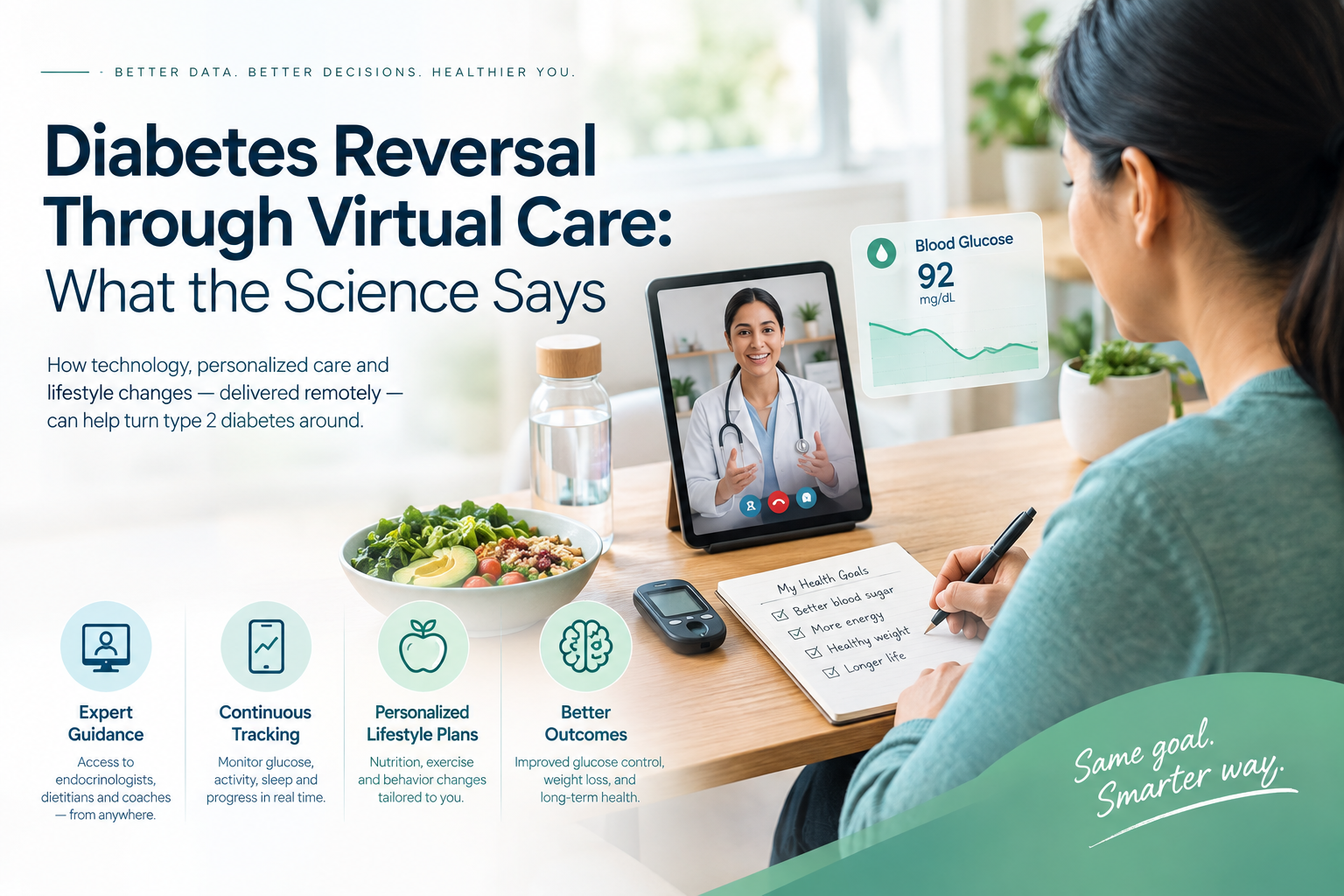
Diabetes Reversal Through Virtual Care: What the Science Says
Virtual care programs combining continuous glucose monitoring, remote coaching, and structured weight management can reverse type 2 diabetes in up to 46% of patients. Here’s what the evidence shows for Southeast Asia.

Digital Therapeutics for Substance Use Disorder in Southeast Asia
Digital therapeutics for substance use disorder (SUD) are transforming addiction recovery. In Southeast Asia, mobile apps and online cognitive behavioral therapy show 30-50% relapse reduction, but face barriers like low digital literacy, stigma, and limited integration with public healthcare. This article covers the evidence, regional challenges, and practical steps to access app-based treatment.
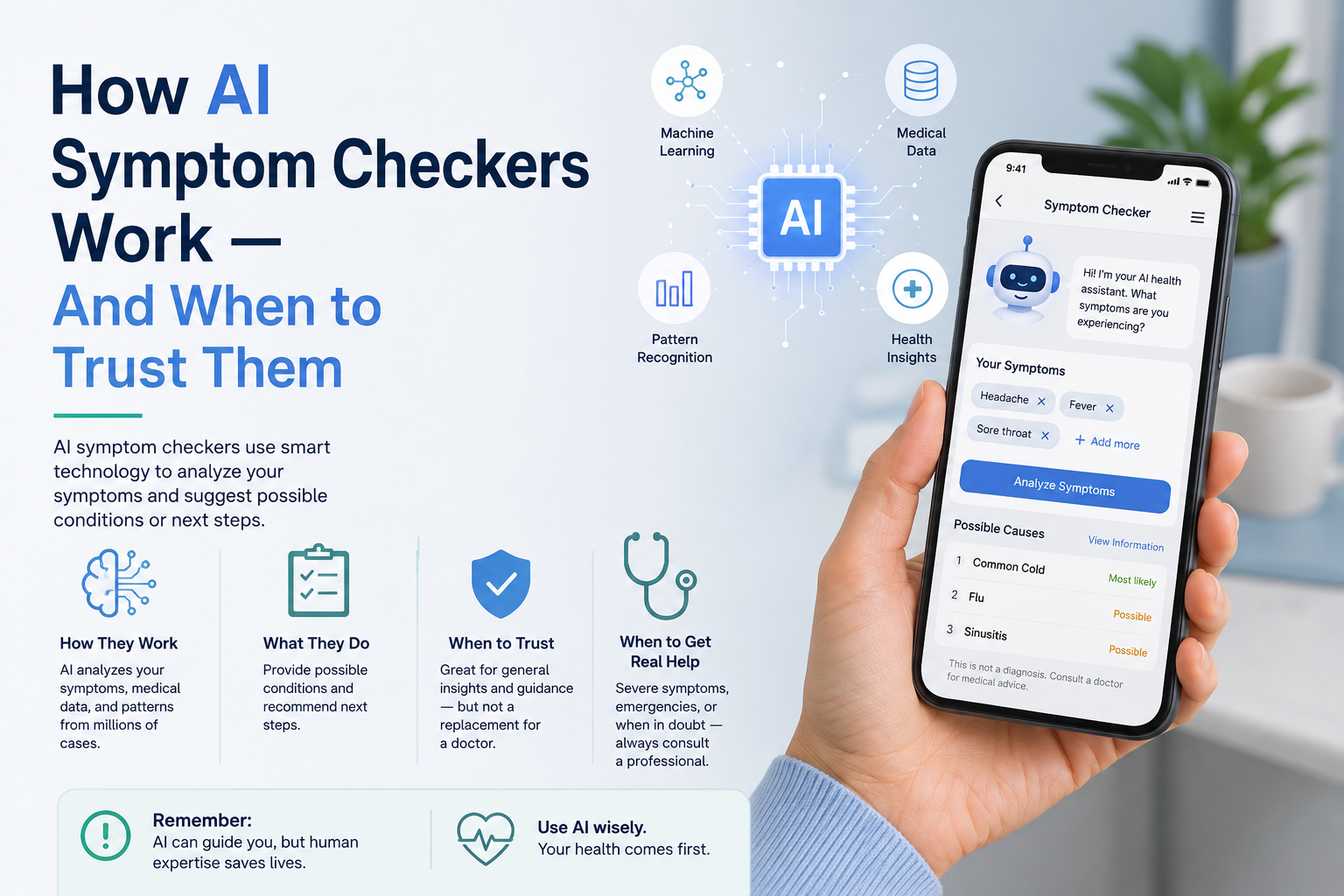
How AI Symptom Checkers Work — And When to Trust Them
AI symptom checkers use machine learning to match symptoms with possible conditions. In Southeast Asia, access and cultural factors affect reliability. This guide explains how they work, when to trust them, and when you still need a doctor.

How Digital Health Platforms Improve Work-Life Balance for Clinicians
Digital health platforms cut administrative tasks by 30%, giving clinicians 2.5 extra hours per week. Telemedicine, remote monitoring, and AI scheduling reduce overtime by 22%. Yet only 35% of Southeast Asian clinicians report improved balance—due to infrastructure gaps and cultural resistance. This article examines region-specific solutions and barriers.

Can AI Replace a Doctor? What AI Healthcare Can and Can't Do
Artificial intelligence is transforming medicine, but can it replace a doctor? This evidence-based analysis examines AI diagnostic accuracy, the irreplaceable human elements of care, and the critical gaps in local validation and policy that matter for Southeast Asian patients and clinicians.
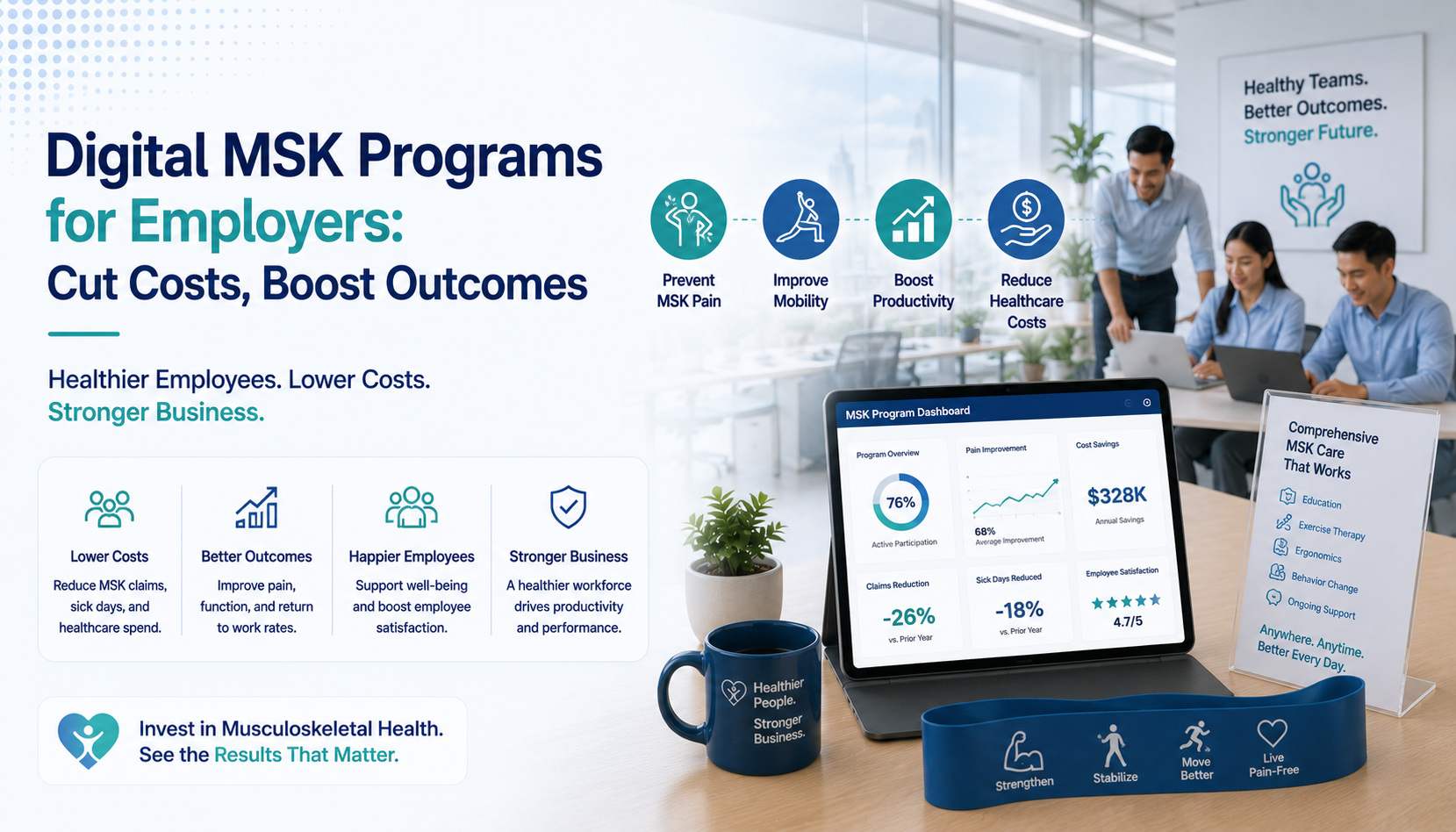
Digital MSK Programs for Employers: Cut Costs, Boost Outcomes
Musculoskeletal (MSK) disorders affect 1.71 billion people globally and cost employers thousands per employee annually. Digital MSK programs reduce costs by 20–30%, cut pain-related productivity loss by 40%, and improve work performance by 60% within 12 weeks. This guide covers the evidence, ROI, and implementation for Southeast Asian employers.

Sustainable Weight Loss with GLP-1s: Beyond the Initial Drop
GLP-1 receptor agonists produce impressive short-term weight loss, but two-thirds of lost weight returns within a year of stopping. This article provides practical, region-specific strategies for Southeast Asian patients to maintain results long-term, including dietary adaptations, exercise prescriptions, and a tapering plan.
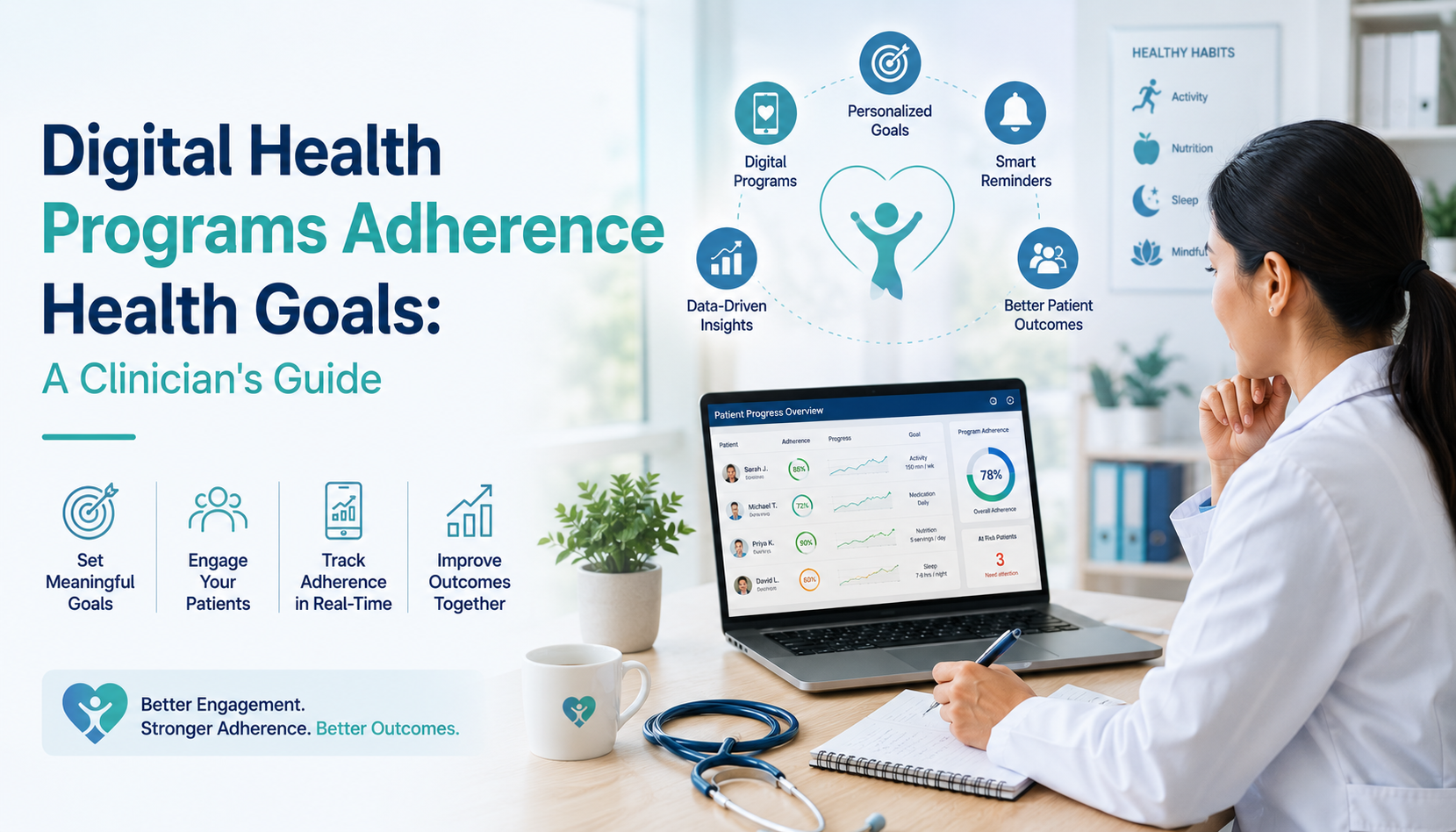
Digital Health Programs Adherence Health Goals: A Clinician's Guide
Digital health programs improve medication adherence by 15–30% and reduce noncommunicable disease risks by up to 20%. This guide explains how mHealth apps, wearables, and gamification work in Southeast Asia, addressing cultural barriers and integration with traditional medicine.

Digital Physical Therapy Southeast Asia: Personalized Pain Care Online
Digital physical therapy in Southeast Asia is transforming pain care. AI-powered apps personalize exercises for back pain, chronic conditions, and more. Learn how telerehabilitation works, its effectiveness, and what you need to get started.

Gut Health Second Brain: Why Your Stomach Controls Your Mood
The gut is often called the second brain—and for good reason. It contains 100 million neurons, produces 90% of your serotonin, and communicates directly with your brain. This article explains the gut-brain axis, signs of poor gut health, and how Southeast Asian fermented foods can improve both digestion and mental health.

Patient Engagement Strategies for Closing Care Gaps in Southeast Asia
Nearly 50% of patients with chronic conditions in Southeast Asia do not adhere to long-term therapies. Effective patient engagement strategies that respect cultural norms, family dynamics, and low digital literacy can close care gaps. This guide provides actionable communication tactics for clinicians and health systems.
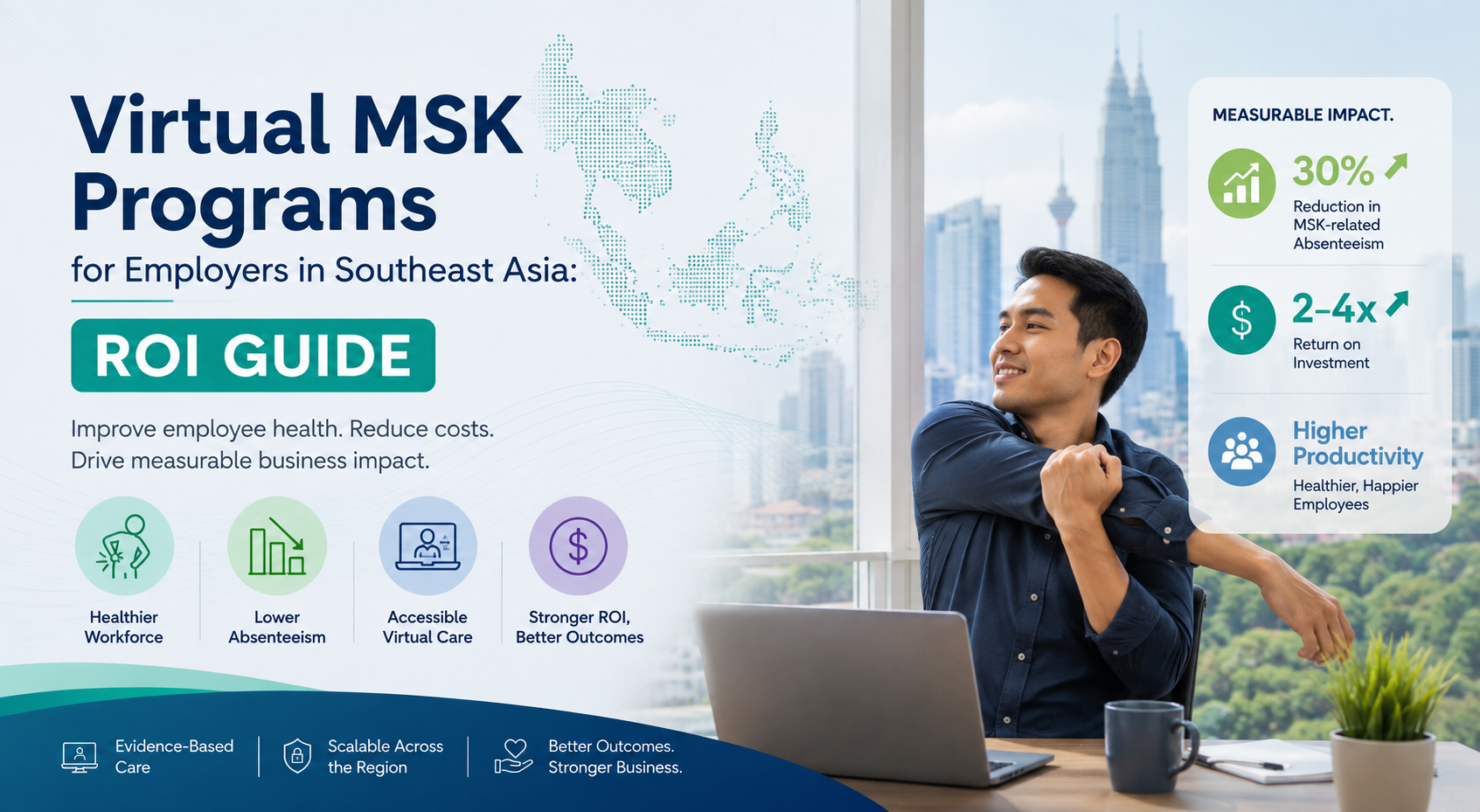
Virtual MSK Programs for Employers in Southeast Asia: ROI Guide
Musculoskeletal disorders cost Southeast Asian employers billions in lost productivity. Virtual MSK programs deliver 3:1 ROI by reducing absenteeism, presenteeism, and claims. This guide provides region-specific data, implementation challenges, and a business case tailored for SEA companies.

Sustainable Weight Loss Alternatives to GLP-1: Digital Coaching
GLP-1 drugs produce rapid weight loss but 70–80% of weight is regained within a year of stopping. Digital coaching solutions offer a sustainable alternative, with lower cost and higher long-term maintenance rates. This article compares the evidence and provides actionable strategies for Southeast Asian readers.

AI Patient Communication Tools Boost Southeast Asia Outcomes
AI-powered patient communication tools are transforming healthcare in Southeast Asia. Studies show a 30% increase in appointment adherence and up to 20% reduction in chronic disease complications. This article examines the evidence, implementation challenges, and cost-effectiveness across Malaysia, Indonesia, and Vietnam.
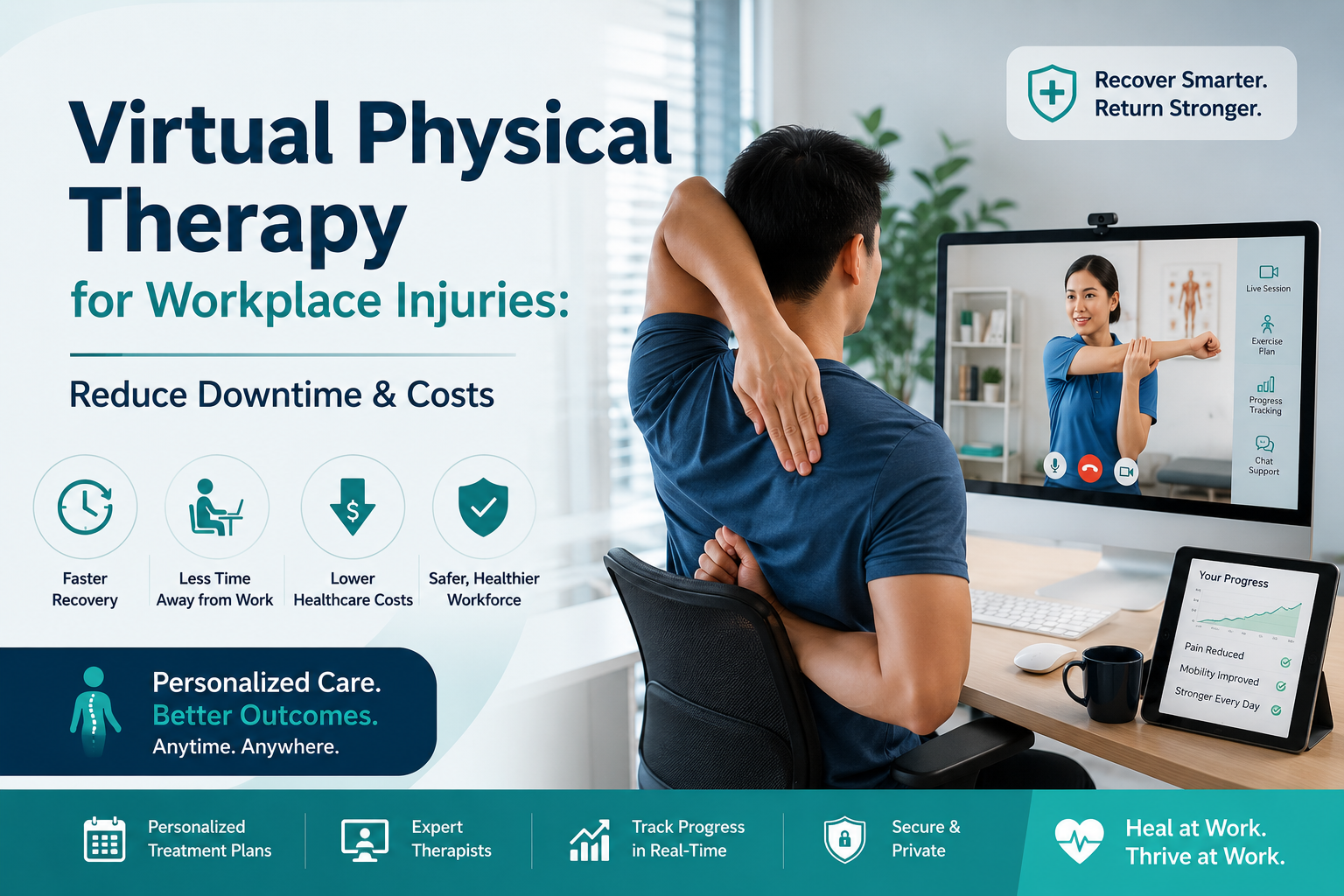
Virtual Physical Therapy for Workplace Injuries: Reduce Downtime & Costs
Virtual physical therapy for workplace injuries reduces lost work days by 40% and cuts medical costs by up to 30%. Learn how telerehabilitation works, what conditions it treats best, and how Southeast Asian employers can implement it.

Proactive Goal Setting in Chronic Disease Management: Member Engagement That Works
Proactive goal setting transforms chronic disease management from reactive crisis care to sustained member engagement. This article reviews the behavioural science, implementation frameworks, and metrics that drive measurable outcomes in Southeast Asian health systems.

Shortness of Breath When Not Exercising: Causes & When to Worry
Experiencing dyspnea at rest? This guide covers cardiac, pulmonary, and anxiety causes, local triggers like haze and heat, and a triage system to help you decide when to see a doctor. Includes 8 FAQs and actionable red flags.

Care Gap Identification and Outreach: Proactive Patient Engagement in Southeast Asia
Care gaps affect millions of patients in Southeast Asia. This guide covers identification methods, outreach strategies using community health workers and telehealth, and measurable outcomes to reduce disparities.
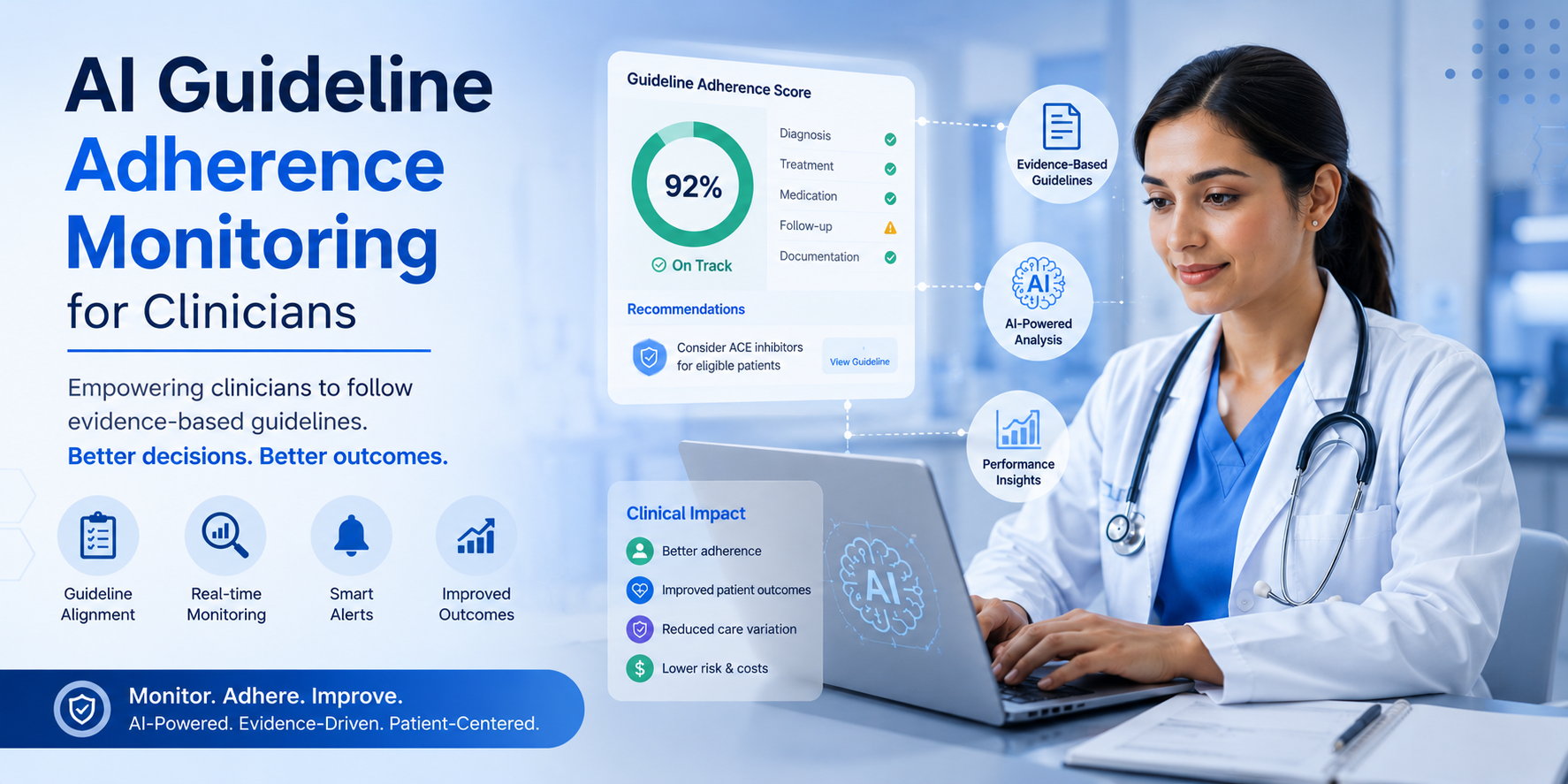
AI Guideline Adherence Monitoring for Clinicians: A Southeast Asia Implementation Guide
Baseline guideline adherence in Southeast Asian hospitals averages just 60–65%, and manual audits miss 80% of deviations. This implementation guide for hospital administrators and clinical governance leads covers the 4-phase rollout framework, multilingual NLP, PDPA compliance, red-flag protocols, and cost-effectiveness evidence for AI-driven clinical decision support.

Digital Mental Health in Southeast Asia: The Complete Guide
Digital mental health is expanding across Southeast Asia, but uptake lags behind need. This guide covers online therapy, telepsychiatry, and apps in Malaysia, Indonesia, Singapore, Philippines, Thailand, and Vietnam—addressing cost, privacy, stigma, and how to choose a trustworthy platform.

AI-Powered Patient Communications: Closing the Loop in Healthcare
AI-powered patient communications closing the loop in healthcare is a systems-level approach to ensure no patient falls through the cracks. This guide covers causes, treatment, prevention, and red flags for Southeast Asian patients and clinicians.

Connected Devices for Chronic Disease Management in Southeast Asia
Chronic diseases cause 60% of deaths in Southeast Asia. Connected devices—from smart glucometers to wearable BP monitors—offer a lifeline, but adoption lags due to cost, digital literacy, and infrastructure gaps. This guide provides actionable, region-specific advice for patients, families, and clinicians.
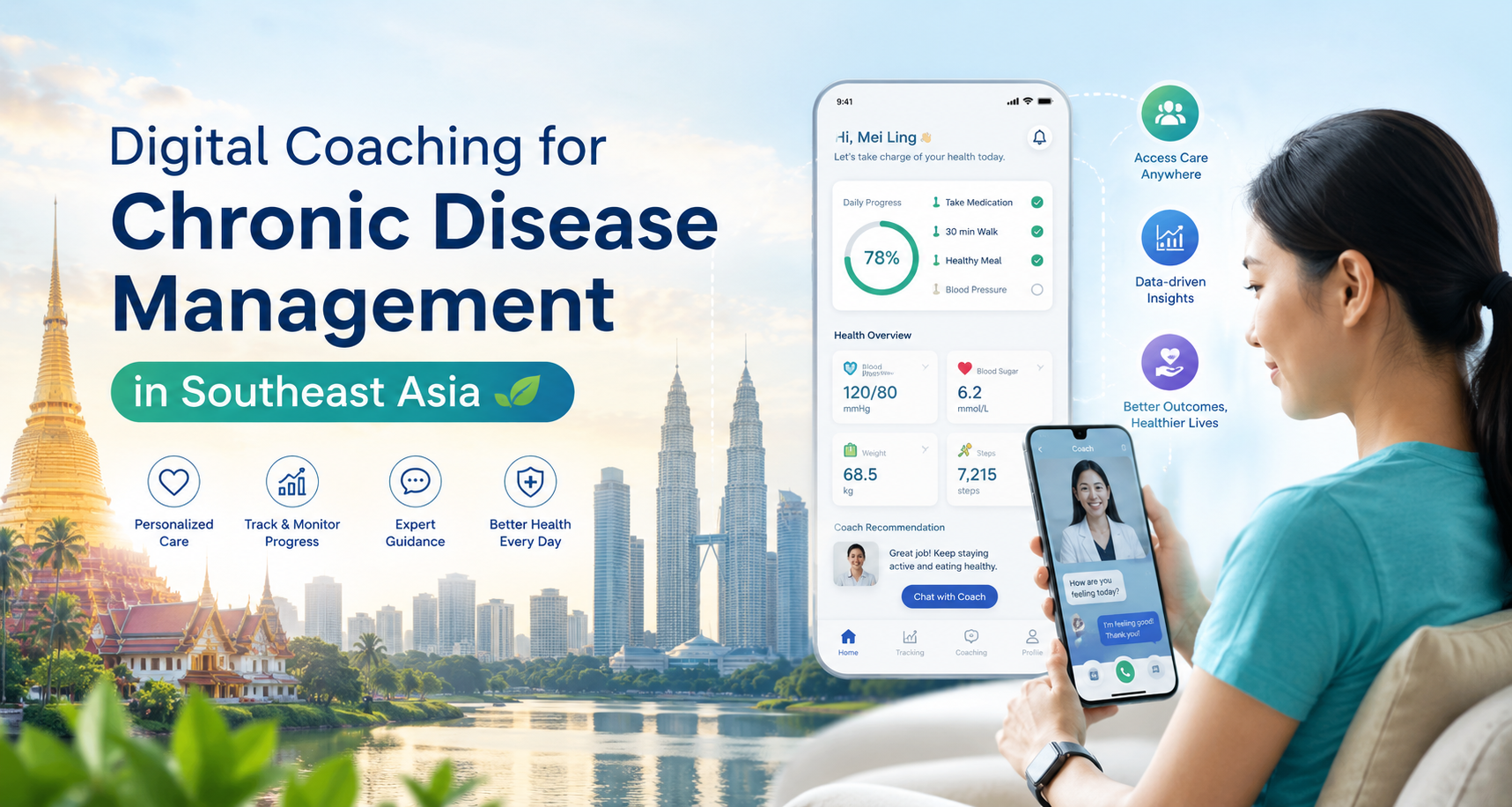
Digital Coaching for Chronic Disease Management in Southeast Asia
Digital coaching for chronic disease management can improve HbA1c by 0.5% and medication adherence by 28%. But in Southeast Asia, low digital literacy and rural access gaps demand a different approach. This guide provides actionable steps for patients and families.

GLP-1 Medications for Weight Loss in Southeast Asia: A Clinical Guide
GLP-1 medications such as semaglutide and liraglutide can achieve 14.9% weight loss over 68 weeks, but Southeast Asian patients face unique challenges in cost, dietary integration, and regulation. This guide covers efficacy, side effects, regional approval status, and how AI health assistants can improve adherence and safety.
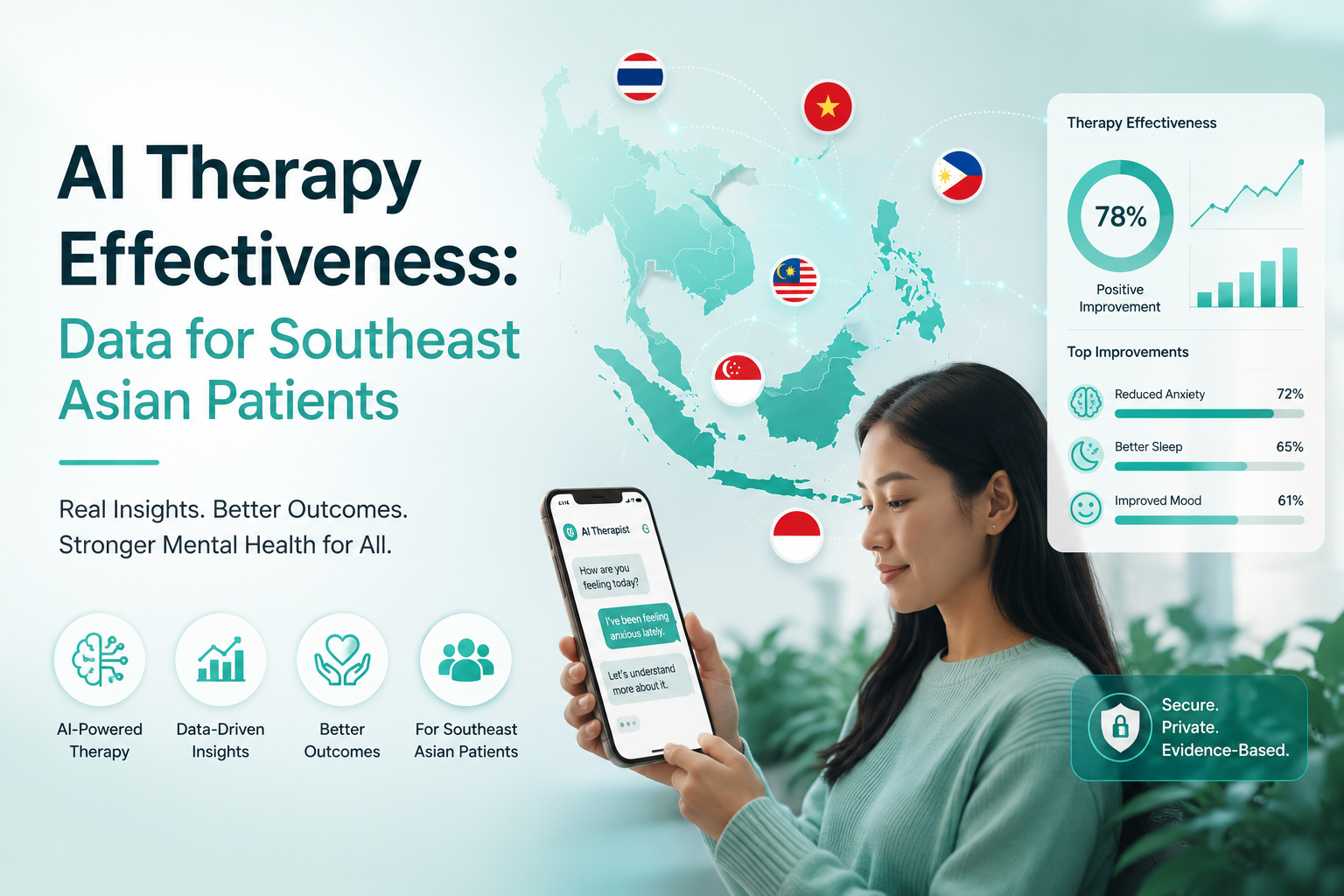
AI Therapy Effectiveness: Data for Southeast Asian Patients
AI therapy is gaining traction in Southeast Asia, but does it work? This article examines clinical evidence, risks, and cultural considerations for patients in Malaysia, Singapore, and Thailand. We review the data on AI chatbot therapy for depression and anxiety, compare it to human therapists, and provide region-specific guidance on choosing the right platform.