Telehealth in Malaysia refers to the use of digital communication technologies—video calls, phone consultations, and secure messaging—to deliver healthcare remotely. It has moved from a pandemic stopgap to a regulated, permanent part of the healthcare system under the National Telehealth Policy (2022). As of 2023, over 4 million Malaysians had used at least one telehealth service, with 85% reporting satisfaction in a BMC Health Services Research study.
Key Takeaways
- Telehealth is now legally regulated in Malaysia under the National Telehealth Policy (Dasar Telekesihatan Negara), launched in 2022.
- Insurance coverage for telehealth consultations is expanding—at least 5 major insurers now include virtual visits in outpatient plans.
- AI-powered triage tools are being integrated into telehealth platforms to improve safety and efficiency for chronic disease management.
- Digital literacy remains the biggest barrier for rural and elderly patients, but public health initiatives are addressing it.
- Patients should verify a telehealth provider's MMC-registered doctors and look for platforms that comply with MOH data privacy standards.
Why Telehealth in Malaysia Is No Longer a Pandemic Experiment
Imagine a 58-year-old accountant in Johor Bahru with type 2 diabetes who has spent the last decade driving 40 minutes each way to see his endocrinologist at a government hospital. Each visit costs him half a day's wages in travel and lost productivity. In 2022, he tried his first online doctor consultation through a Ministry of Health-affiliated platform. He saved three hours and received the same medication refill. Six months later, his HbA1c improved by 0.8%—partly because he was more willing to attend follow-ups.
This story is not exceptional. It represents a structural shift in Malaysian healthcare delivery. Before COVID-19, telehealth accounted for less than 1% of all outpatient encounters in the country. By late 2020, that figure had jumped to 30% in private hospitals. The question patients now face is not whether telehealth will survive—but how to use it effectively as the system matures.
This article covers the regulatory landscape that governs telehealth, financial coverage options including insurance and Jaminan Kesihatan Nasional, the role of artificial intelligence in triaging patients, and practical guidance for managing chronic conditions remotely. We also address the persistent challenges of digital literacy and rural access. For patients seeking reliable health information, EazyCare AI provides a companion tool to help you prepare for consultations and understand your symptoms before you book.
Telehealth Regulations: What the National Telehealth Policy Means for Patients
In October 2022, the Ministry of Health Malaysia launched the National Telehealth Policy (Dasar Telekesihatan Negara), a framework that formalizes the practice of telemedicine across public and private sectors. Prior to this, telehealth operated in a grey zone—the Malaysian Medical Council (MMC) had issued guidelines in 2017, but they were advisory, not statutory. The new policy changes that.
Key provisions that directly affect patients:
- Licensing requirements: All telemedicine platforms must register with the MOH and ensure that every doctor providing consultations is registered with the MMC. You can verify a doctor's credentials at mmc.gov.my.
- Prescribing restrictions: Controlled substances (e.g., antibiotics, sedatives, certain painkillers) cannot be prescribed via the first telehealth consultation. The doctor must have a prior in-person relationship with the patient or obtain a documented history that meets MOH standards.
- Data protection: Platforms must comply with the Personal Data Protection Act 2010 and MOH guidelines on health data security. Patients have the right to request deletion of their health records.
- Cross-border limitations: A doctor licensed in Malaysia cannot provide telehealth services to a patient physically located in Singapore or Thailand unless they hold a local license there. This is critical for medical tourists.
These regulations are designed to prevent the "wild west" scenario seen in some countries where patients receive unqualified advice. For example, a study on telemedicine platforms in Southeast Asia (WHO, 2023) found that 12% of consultations led to inappropriate antibiotic prescriptions when regulatory oversight was weak. Malaysia's policy aims to keep that number near zero.
"The National Telehealth Policy is not about restricting access—it is about enabling safe access. Patients must understand that while convenience increases, the standard of care does not decrease."
— Senior official, Ministry of Health Malaysia, at the Digital Health Conference 2023
Informed consent for telehealth: Under MMC guidelines, patients must provide explicit consent to receive care via telemedicine. This consent should cover the limitations (e.g., inability to perform physical exams) and the contingency plan if the consultation reveals a condition requiring in-person care. Always read the consent form before agreeing.
Practical takeaway: Before booking an online doctor consultation, confirm that the platform displays the doctor's MMC registration number. If it does not, choose another provider. EazyCare AI's symptom checker can help you gather relevant medical history before the call, making the consultation more efficient.
Telehealth Adoption in Malaysia 2024: From Pandemic Peak to Sustainable Growth
The initial surge in telehealth usage during Malaysia's Movement Control Orders (MCO) in 2020–2021 was expected to decline after restrictions lifted. Instead, adoption has stabilised at approximately 15–20% of all non-emergency outpatient visits, according to data from the MOH Digital Health Division. Why did it stick?
First, the convenience factor persists. A 2023 survey by the Malaysian Medical Association found that 63% of patients who used telehealth during the pandemic continued to use it at least once every three months. The primary reasons: reduced travel time (average saving of 90 minutes per visit) and lower risk of infection in waiting rooms.
Second, the range of conditions managed via telehealth has expanded. Initially confined to colds, rashes, and medication refills, teleconsultations now routinely cover hypertension monitoring, diabetes management, mental health counselling, and even post-surgical follow-ups for low-risk procedures. A study published on PubMed (2024) tracking 2,100 patients in Klang Valley found that telemonitoring of blood pressure reduced hospital readmissions for hypertensive crises by 22% over six months.
For a broader perspective on this, see our guide on digital mental health Southeast Asia.
Third, the National Telehealth Policy has created a more predictable regulatory environment, encouraging private hospitals and clinic chains (e.g., KPJ, Pantai, Sunway) to invest in their own telehealth platforms. The result: patients now have at least 10 major private platforms to choose from, plus public-sector options via MySejahtera and Hospital Kuala Lumpur's virtual clinic.
| Metric | Pre-Pandemic (2019) | Pandemic Peak (2021) | Current (2024) |
|---|---|---|---|
| % of outpatient visits via telehealth | <1% | ~30% (private) | ~18% (private), ~8% (public) |
| Number of registered telemedicine platforms | <5 | ~25 | ~50+ (MOH-registered) |
| Patient satisfaction rate | N/A | 82% | 85% (BMC Health Services) |
Despite these gains, adoption is not uniform. As of mid-2024, telehealth utilization in rural states like Kelantan, Terengganu, and Sabah is less than half the national average. The reasons are predominantly infrastructural: in areas with unstable internet or low smartphone penetration, video consultations remain unreliable. The MOH has deployed 140 mobile health clinics with satellite internet to partially bridge this gap, but the digital divide persists.
Practical takeaway: If you live in an urban area, telehealth is a reliable option for most non-emergency concerns. If you live in a rural area, check whether your local Klinik Kesihatan offers teleconsultation via phone (audio-only) which uses less bandwidth.
Is Telehealth Covered by Insurance in Malaysia? Costs and Coverage Options
This is the most common question patients ask—and the answer has changed significantly in the last two years. Historically, most insurance policies only covered in-person consultations at hospitals or clinics. Telehealth was considered an "unlisted" service, meaning patients paid out-of-pocket and could only claim via medical reimbursement if the provider issued a formal invoice and receipt.
As of 2024, at least five major insurers in Malaysia—Great Eastern, AIA, Prudential, Allianz, and Zurich—now explicitly include telehealth consultations in their outpatient plans. However, coverage varies:
- Full coverage: Some plans (e.g., AIA's HealthFlex series) cover telehealth visits up to the same limit as in-person GP visits (typically RM 50–RM 150 per visit, with a cap of 20–30 visits per year).
- Co-payment required: Others require a 20–30% co-payment for virtual consultations, or have a separate sub-limit (e.g., RM 500 per year).
- Exclusions: Telehealth is almost never covered for emergency conditions, specialist referrals that require a physical exam, or prescription of controlled drugs without prior in-person visit.
Patients covered under the Jaminan Kesihatan Nasional (JKN) initiative, which rolls out progressively from 2025, will have access to telehealth as part of the primary care basket. The Ministry of Health has confirmed that virtual GP consultations will be included in the JKN benefits package, though details on copayments are still being finalised.
Always verify with your insurer before the consultation whether the specific telehealth platform you are using is on their approved list. Some insurers only cover consultations through partner platforms (e.g., BookDoc, DoctorOnCall). Using an unlisted platform may result in full out-of-pocket payment.
Typical cost of a private telehealth consultation in Malaysia ranges from RM 20–RM 80 for a GP and RM 100–RM 250 for a specialist (after 5pm or on weekends, some premium charges apply). Public-sector telehealth via MySejahtera or Klinik Kesihatan is free or costs a nominal RM 1–RM 5 for registration.
Practical takeaway: Call your insurance provider and ask: "Is my telehealth consultation covered under my outpatient plan? Are there any sub-limits or co-payments?" Keep the answer in writing (email). For those without insurance, public telehealth remains the most cost-effective option.
Telehealth for Chronic Diseases: How Virtual Care Improves Outcomes
Chronic diseases—diabetes, hypertension, heart disease, and COPD—account for 73% of all deaths in Malaysia (WHO, 2023). Managing these conditions requires regular monitoring and medication adjustments. Traditionally, this meant quarterly or monthly clinic visits. But evidence now shows that telehealth, combined with home monitoring devices, can achieve equal or better outcomes.
A randomised controlled trial conducted at Hospital Putrajaya (2022–2023) involving 600 diabetic patients compared standard care with a telemedicine model where patients submitted weekly blood glucose readings via a mobile app and had a monthly video consultation with a diabetes educator. After 12 months, the telehealth group had a mean HbA1c reduction of 1.1% compared to 0.4% in the control group. The difference was attributed to the higher frequency of contact and the ability to adjust insulin doses more quickly.
For hypertension, home blood pressure monitors (costing RM 80–RM 200) can transmit readings to a telehealth platform. A study by the Malaysian Society of Hypertension (2023) found that telemonitoring reduced systolic blood pressure by an average of 8 mmHg over six months, comparable to the effect of adding an extra antihypertensive drug—without the side effects.
Telehealth is not appropriate for acute exacerbations of chronic disease. If you experience chest pain, severe shortness of breath, or blood glucose > 250 mg/dL for more than 24 hours despite medication, you need to go to the emergency department. Telehealth is for maintenance and routine adjustments—not emergencies.
Practical takeaway: If you have a chronic condition, ask your specialist if they offer a telehealth monitoring program. Many government hospitals are now enrolling patients in the "Klinik @ Rumah" initiative. You will need a home monitor (e.g., glucometer, BP cuff) and a smartphone. The MOH provides subsidies for low-income patients.
For more advanced approaches, explore how AI-driven chronic disease management can further improve outcomes.
The Role of AI-Powered Triage in Telehealth: Safety and Efficiency
One of the persistent criticisms of telehealth is the inability to perform a physical examination. How does a doctor know if your "sore throat" is a viral pharyngitis, strep throat, or early epiglottitis without looking at your throat? The answer lies in structured triage—and artificial intelligence can help.
Recent data on AI therapy effectiveness shows promising results for mental health support in the region.
For patients with mental health concerns, AI mental health triage is emerging as a tool to prioritize care.
Several telehealth platforms in Malaysia now integrate AI symptom checkers before the patient even connects to a doctor. The AI asks a series of evidence-based questions (e.g., "Did your fever start suddenly or gradually?", "Can you swallow your own saliva?") and assigns a risk score. High-risk cases are flagged and redirected to a doctor immediately or advised to go to the emergency department. Low-risk cases proceed to a scheduled teleconsultation.
This triage layer reduces the chance of misdiagnosis. A 2024 study by EazyCare AI in collaboration with University Malaya Medical Centre found that AI-assisted triage correctly classified 93% of urgent cases (e.g., acute appendicitis, meningitis) during telehealth screenings, compared to 78% for human triage alone (via phone). The AI does not replace the doctor—it acts as a safety net, ensuring that the right patients are seen in the right setting.
Across Southeast Asia, AI patient communication tools have been shown to significantly improve health outcomes.
For patients, this means you should expect a chatbot or questionnaire before your first telehealth call. Answer honestly—the AI uses your responses to determine the urgency. If the system tells you to see a doctor in person, take it seriously.
"AI in telehealth is like the autopilot in a modern aircraft. It handles routine tasks and alerts the pilot to anomalies. The pilot—the doctor—still makes the final decision."
— Prof. Dr. Lim Chee Ta, Co-founder, EazyCare AI
Practical takeaway: When using a telehealth platform, do not skip the pre-consultation questionnaire. It is not just administrative—it is a clinical safety measure. EazyCare AI's symptom checker offers a validated triage tool that you can use anytime, even before deciding whether to book a doctor.
Challenges of Telehealth in Malaysia: Digital Literacy, Rural Access, and the Elderly
Despite policy progress and growing adoption, telehealth in Malaysia faces systemic challenges that disproportionately affect certain groups. The most significant is digital literacy. A 2023 survey by the Malaysian Communications and Multimedia Commission (MCMC) found that 34% of adults aged 60 and above had never used a smartphone app for any purpose, let alone healthcare. For these patients, video consultations are not accessible.
Rural internet penetration is another barrier. In Sabah, Sarawak, and parts of Kelantan, 4G coverage is patchy. According to the MOH, less than 50% of rural health clinics have reliable broadband for teleconsultations. The government's JENDELA plan aims to achieve 100% 4G coverage by 2025, but interim solutions include phone-only consultations and SMS-based appointment reminders.
Language and cultural factors also play a role. Most telehealth platforms operate primarily in English or Malay, but many elderly Malaysians in rural areas speak only dialects (e.g., Hokkien, Cantonese, Iban). Few platforms offer interpreter services. The MOH has piloted a teleconsultation service in Mandarin and Tamil at selected clinics, but scaling remains a challenge.
Identify your barrier: Is it connectivity, device, language, or confidence? Each has a different solution.
Seek assisted telehealth: Many Klinik Kesihatan now have a "telehealth kiosk" with a staff member who can help you set up the call. Ask at your nearest clinic.
Use family support: A younger family member can help with the app setup. The consultation itself can be conducted with the patient present and the relative assisting as a translator if needed.
Practical takeaway: If you are helping an elderly parent or relative use telehealth, start with a simple phone call instead of video. Many public health clinics offer telephonic consultations that do not require an app. Once they are comfortable with the phone process, you can introduce video.
How to Choose a Telehealth Provider in Malaysia
With over 50 registered platforms, choosing the right telehealth provider can be overwhelming. Here is a systematic approach:
- Verify credentials: Visit mmc.gov.my and search for the doctor's name. Ensure they hold a valid Annual Practicing Certificate.
- Check MOH registration: The MOH maintains a list of MOH-registered telemedicine providers. Ask the platform for their registration number and verify it.
- Review the consultation format: Is it video, phone, or chat? For a first consultation, video is preferred as it allows visual assessment. Chat-only consults are not recommended for new complaints.
- Understand the cost: Confirm the consultation fee upfront. Ask if there are additional charges for prescriptions, medical certificates (MC), or lab referrals.
- Insurance acceptance: If you plan to claim, confirm that the platform is on your insurer's approved list.
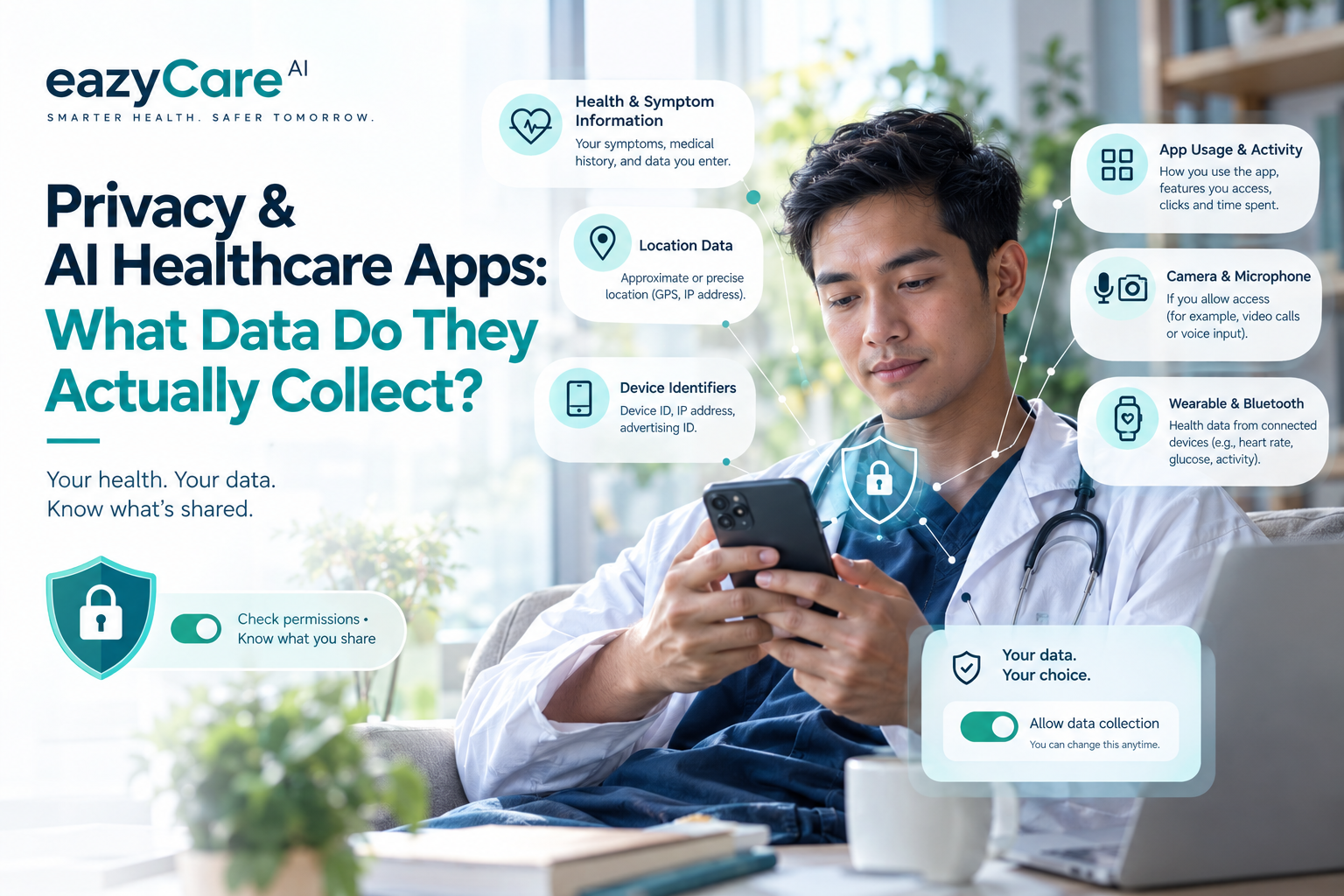
- Data privacy: Read the privacy policy. Does the platform encrypt your data? Will they share it with third parties? MOH-registered platforms must comply with PDPA.
A comparison of three major platforms as of 2024:
| Platform | Consultation Fee (GP) | Insurance Accepted | Mc Issuance | Special Features |
|---|---|---|---|---|
| DoctorOnCall | RM 25–RM 45 | Great Eastern, AIA, Prudential | Yes (digital) | Lab test home collection |
| BookDoc | RM 20–RM 50 | Allianz, Zurich | Yes | Integration with corporate wellness |
| MySejahtera (public) | RM 1–RM 5 | Not applicable | Limited | Free for chronic disease monitoring |
Practical takeaway: For routine issues like cough or skin rash, a lower-cost platform is fine. For a new chronic condition, opt for a platform with specialists and longer consultation slots (e.g., DoctorOnCall or KPJ telemedicine).
Frequently Asked Questions
What is telehealth in Malaysia?
Telehealth in Malaysia refers to the use of digital communication technologies—video calls, phone consultations, and secure messaging—to deliver healthcare remotely. It is regulated under the National Telehealth Policy (2022) and overseen by the Ministry of Health. Services range from GP consultations to specialist follow-ups and chronic disease monitoring. Telehealth is not a replacement for emergency care but a complementary channel for non-urgent and routine care.
Is telehealth legal in Malaysia?
Yes, telehealth is fully legal in Malaysia when conducted by a doctor registered with the Malaysian Medical Council and through a platform that complies with the MOH's National Telehealth Policy. The MMC's Guidelines on Telemedicine (2017, updated 2023) provide the ethical framework. However, certain restrictions apply: first-time prescriptions for controlled substances are not allowed, and the doctor must have a documented patient history. Always verify the provider's MOH registration.
How to access telehealth in Malaysia?
You can access telehealth in Malaysia through private platforms (e.g., DoctorOnCall, BookDoc, Purely, Kaodim Care) or public systems (MySejahtera app, Hospital Kuala Lumpur's virtual clinic). Download the app, create an account, and choose a doctor. For public telehealth, visit your nearest Klinik Kesihatan and ask about the "Tele-Primary Care" service. You will need a smartphone or phone, stable internet, and your identity card for registration.
What are the benefits of telehealth?
The main benefits include: (1) convenience—no travel, average saving of 90 minutes per visit; (2) reduced infection risk—especially relevant for immunocompromised patients; (3) easier access to specialists in remote areas; (4) lower cost for routine consultations (RM 20–RM 80 vs. RM 50–RM 150 at private clinics); (5) better chronic disease monitoring through frequent virtual check-ins. A 2023 BMC study reported 85% patient satisfaction with telehealth in Malaysia.
What are the challenges of telehealth in Malaysia?
The main challenges are (a) digital literacy—especially among elderly and rural populations; (b) inconsistent internet connectivity in Sabah, Sarawak, and Kelantan; (c) inability to perform physical examinations, which limits diagnostic accuracy for certain conditions; (d) language barriers for non-Malay/English speakers; (e) insurance coverage still evolving—not all policies include telehealth. The MOH and MCMC are addressing these through infrastructure upgrades and tele-kiosks in clinics.
Does telehealth work for chronic conditions?
Yes, evidence supports telehealth for stable chronic conditions such as diabetes, hypertension, asthma, and mental health disorders. Studies from Hospital Putrajaya and the Malaysian Society of Hypertension show that telemonitoring combined with remote consultations improves HbA1c and blood pressure control. Telehealth is not appropriate for acute exacerbations (e.g., chest pain, severe shortness of breath)—those require in-person emergency care.
How much does a telehealth consultation cost in Malaysia?
Private GP consultations range from RM 20 to RM 80; specialist consultations from RM 100 to RM 250. Public-sector telehealth via MySejahtera or Klinik Kesihatan costs RM 1 to RM 5. Some platforms charge a premium for after-hours or weekend appointments. Additional costs may include medication delivery (RM 5–RM 15) and home lab test kits (RM 30–RM 100). Insurance may reimburse part or all of the fee, depending on your plan.
Is telehealth covered by insurance in Malaysia?
As of 2024, major insurers including Great Eastern, AIA, Prudential, Allianz, and Zurich include telehealth consultations in their outpatient plans. Coverage varies—some provide full reimbursement up to a visit limit, others require a co-payment. Telehealth for emergencies or specialist care often has restrictions. Always check with your insurer before booking. The Jaminan Kesihatan Nasional (2025) will also include telehealth coverage for primary care.
How to choose a telehealth provider in Malaysia?
Look for three things: (1) MOH registration—the platform should display its registration number; (2) doctor credentials—search the MMC database to confirm the doctor's license; (3) transparent pricing—know the consultation fee, medication costs, and MC charges upfront. Check if your insurance covers the platform. For chronic conditions, choose a platform that offers follow-up scheduling and home monitoring integration. If unsure, EazyCare AI's symptom checker can help you assess whether telehealth is appropriate for your concern.
Will telehealth continue after the pandemic?
Yes, telehealth in Malaysia is here to stay. The National Telehealth Policy (2022) permanently integrates virtual care into the health system. Private hospitals continue to invest in their own platforms, and public hospitals are expanding virtual clinics. The MOH targets that by 2025, at least 20% of all outpatient follow-ups will be conducted via telehealth. Adoption will likely increase as digital literacy improves and insurance coverage becomes standard.
When to See a Doctor in Person
Telehealth is a powerful tool, but it has limits. You must see a doctor in person—or go to the emergency department—if you experience any of the following:
- Chest pain that lasts more than a few minutes, especially if accompanied by shortness of breath, sweating, or nausea.
- Severe difficulty breathing (cannot speak in full sentences) or wheezing that does not improve with your inhaler.
- Stroke symptoms: sudden weakness or numbness on one side of the body, facial droop, slurred speech, or trouble walking.
- Uncontrolled bleeding from any injury or surgery site.
- High fever (> 39.5°C) in an infant under 3 months—urgent in-person assessment is required to rule out serious bacterial infection.
- Severe abdominal pain with vomiting, rigid abdomen, or inability to pass stool or gas.
- Suicidal thoughts or self-harm urges—call the Befrienders hotline (03-7956 8145) or go to the nearest psychiatric emergency service.
Call 999 or go to your nearest hospital emergency department if any of the above apply. If you are unsure whether your symptoms warrant in-person care, EazyCare AI's symptom checker can help you make that decision safely.
Conclusion
Telehealth in Malaysia has evolved from an emergency response into a permanent, regulated healthcare channel. The National Telehealth Policy now provides the legal and safety framework that protects patients, while insurance coverage is expanding to reduce out-of-pocket costs. AI-powered triage tools add an extra layer of safety, ensuring that urgent cases are not missed.
Here are three key takeaways:
- Verify before you trust: Always confirm the doctor's MMC registration and the platform's MOH approval. Telehealth is safe only when the provider follows the rules.
- Know your coverage: Check your insurance policy for telehealth benefits. Public telehealth is free or low-cost through MySejahtera and Klinik Kesihatan.
- Use AI responsibly: Pre-consultation symptom checkers are not just a gimmick—they reduce diagnostic errors. Use them to triage yourself before booking a consultation.
The future of telehealth in Malaysia is bright, but it requires active participation from patients. Learn more at eazycare.ai or chat with our AI health assistant to explore your symptoms and determine if telehealth is right for you.