Mental Wellness & AI Mental Health Support
Mental health support remains out of reach for millions of people across Southeast Asia — cost, stigma, and access all play a role. This hub covers the everyday realities of burnout, anxiety, and stress, alongside a clear-eyed look at how AI mental health assistants and therapy apps can help extend support between — never replace — professional care.
Is My Stress Level Normal? A 5-Minute Self-Assessment
Most stress self-assessments ignore cultural context. This evidence-based 5-minute quiz helps you distinguish normal stress from chronic stress, with specific insights for Malaysia and Southeast Asia.
Support Partner With Depression Self-Care Tips: 7 Strategies
Supporting a partner with depression is a marathon, not a sprint. Learn 7 evidence-based self-care tips to prevent caregiver burnout, set healthy boundaries, and protect your own mental health while being a source of strength.

Sleep Anxiety: Why You're Tired but Can't Sleep
Sleep anxiety is the fear or dread of not being able to sleep, creating a vicious cycle where worry about insomnia itself fuels sleeplessness. In Malaysia, 29.3% of adults report poor sleep quality linked to anxiety. This article unpacks the biology of 'tired but wired', compares sleep anxiety to insomnia, and offers actionable strategies—from CBT-I to affordable local remedies.

What Is High-Functioning Anxiety? Signs No One Talks About
High-functioning anxiety is not a formal diagnosis, but millions of outwardly successful professionals and parents in Southeast Asia live with it daily. This article unpacks the hidden signs—overwork, perfectionism, fear of failure—and offers actionable steps to break the cycle without losing your edge.

Doom Scrolling Psychology: The Science Behind Why You Can't Stop
Doom scrolling is not a lack of willpower—it's a brain hijacking driven by dopamine, negativity bias, and algorithms. This article explains the neuroscience, the mental health toll in Southeast Asia, and evidence-based strategies to regain control.

Online Insomnia Treatment: Can Digital Programs Replace Sleeping Pills?
Online insomnia treatment using digital cognitive behavioral therapy (CBT-I) is as effective as face-to-face therapy and outperforms sleeping pills for long-term sleep maintenance. In Malaysia, where 30% of adults struggle with insomnia, digital programs offer a scalable, evidence-based alternative. This article reviews the data, compares local options, and explains when to see a doctor.

Barriers to Therapy in Asia: Why Most Don't Get Help
Therapy is out of reach for most Southeast Asians due to cost, stigma, and a severe shortage of psychiatrists. This guide breaks down the real barriers and offers practical, culturally accepted alternatives.

How to Talk to Someone About Their Mental Health
A comprehensive guide to understanding How to Talk to Someone About Their Mental Health, when to seek medical care, and how to manage it effectively.

7 Signs You Have Anxiety (Even If You Think You Don't)
Anxiety isn't just worry—it's a systemic condition affecting your body, behaviour, and relationships. Learn the 7 hidden signs you have anxiety, why Southeast Asians often miss them, and practical steps to regain control.

Best Online Therapy Platforms 2025 Southeast Asia: 9 Things to Check
Online therapy works—but only if you choose the right platform. This guide covers the 9 non-negotiables for Southeast Asian users, from PDPA compliance to local payment methods.

You're Not Lazy — You're Burned Out: How to Tell the Difference
Burnout is a state of chronic workplace stress that leads to exhaustion, cynicism, and reduced performance. Mistaking it for laziness delays recovery. This article explains the clinical difference, signs, and treatment options tailored for Southeast Asian professionals.

AI Mental Health Triage: Opportunities and Ethical Risks in SE Asia
AI mental health triage uses algorithms to prioritise and screen patients before human consultation. Evidence shows up to 30% reduction in wait times but accuracy varies from 60% to 95%. This article examines the opportunities and ethical minefields specific to Southeast Asia.
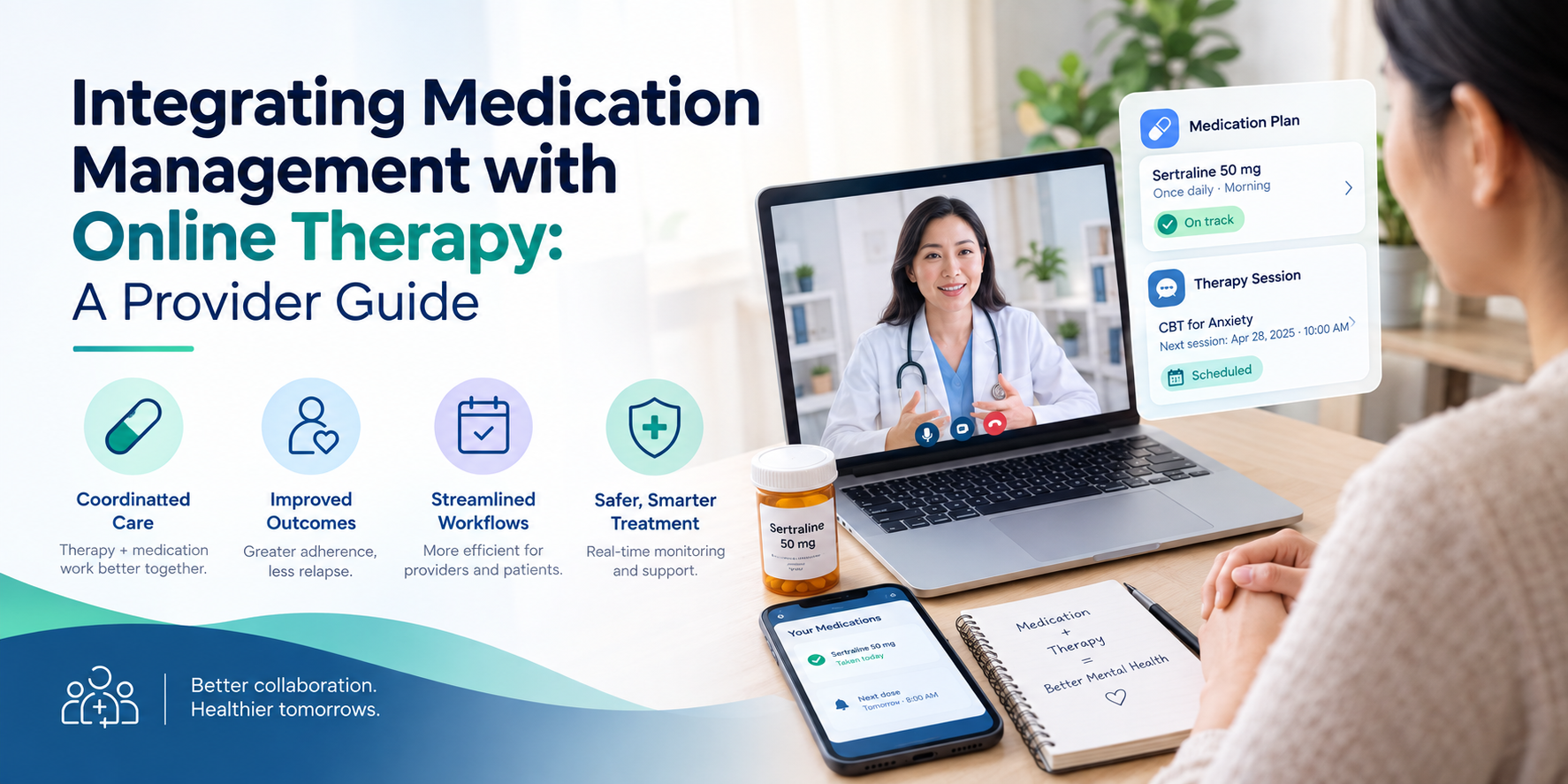
Integrating Medication Management with Online Therapy: A Provider Guide
Integrating medication management with online therapy improves outcomes by up to 45% in collaborative care models. This guide covers practical workflows, Malaysian MOH regulations, and safety protocols for Southeast Asian providers.

Personalized Digital Mental Health: Tailoring Therapy to You
Personalized digital mental health therapy adapts treatment content, pacing, and feedback to your unique profile. Over 60% of users prefer personalized over generic advice. This guide covers how AI personalizes care, cultural adaptation in Malaysia and Singapore, privacy risks, and how to choose the right app.
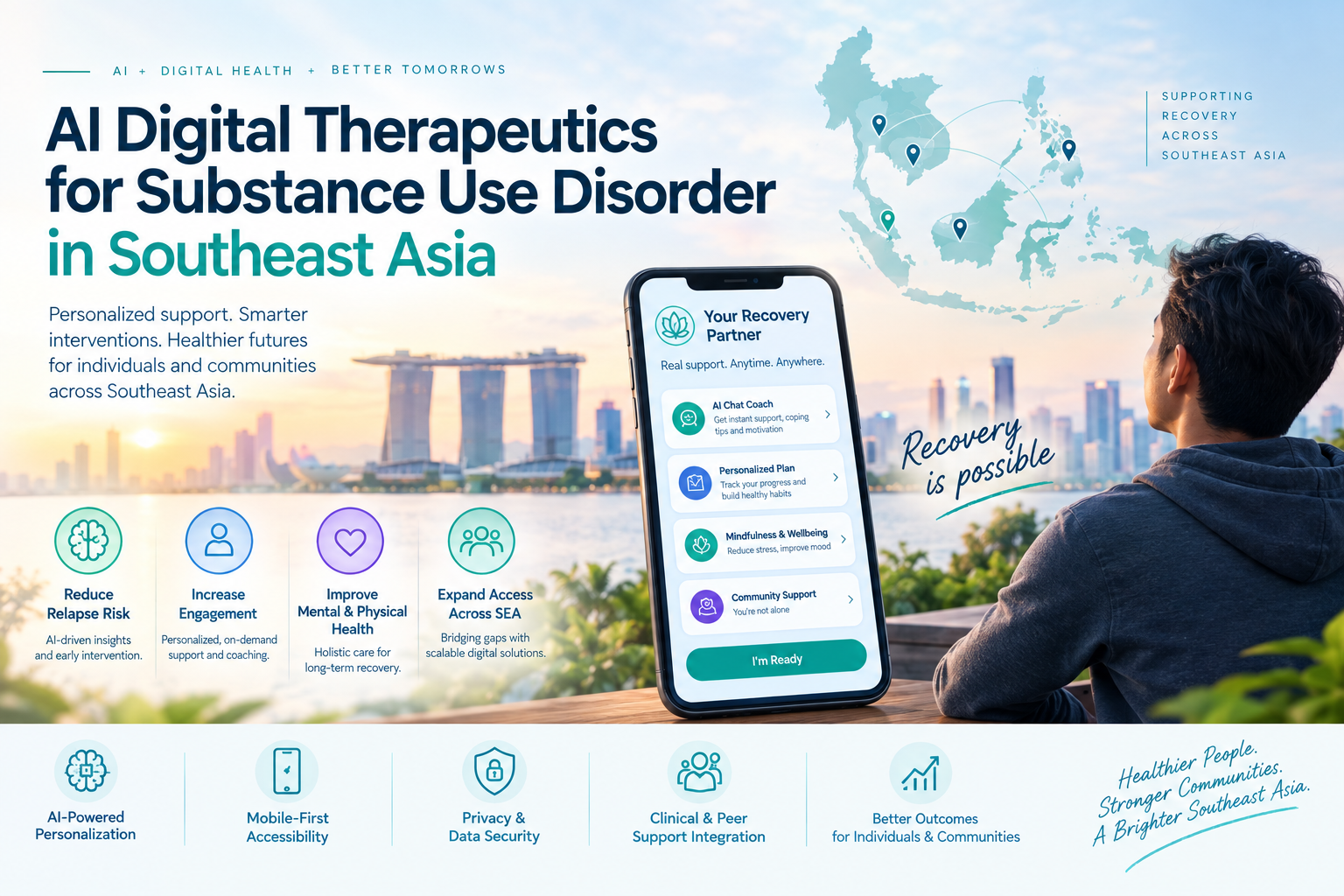
AI Digital Therapeutics for Substance Use Disorder in Southeast Asia
Digital therapeutics for substance use disorder (SUD) combine AI and evidence-based interventions to reduce relapse rates by up to 30%. In Southeast Asia, low digital literacy, regulatory gaps, and cultural stigma create unique challenges, but tailored AI solutions are emerging to bridge access gaps.

Digital Therapeutics for Substance Use Disorder in Southeast Asia
Digital therapeutics for substance use disorder (SUD) are transforming addiction recovery. In Southeast Asia, mobile apps and online cognitive behavioral therapy show 30-50% relapse reduction, but face barriers like low digital literacy, stigma, and limited integration with public healthcare. This article covers the evidence, regional challenges, and practical steps to access app-based treatment.

How Digital Health Platforms Improve Work-Life Balance for Clinicians
Digital health platforms cut administrative tasks by 30%, giving clinicians 2.5 extra hours per week. Telemedicine, remote monitoring, and AI scheduling reduce overtime by 22%. Yet only 35% of Southeast Asian clinicians report improved balance—due to infrastructure gaps and cultural resistance. This article examines region-specific solutions and barriers.

Gut Health Second Brain: Why Your Stomach Controls Your Mood
The gut is often called the second brain—and for good reason. It contains 100 million neurons, produces 90% of your serotonin, and communicates directly with your brain. This article explains the gut-brain axis, signs of poor gut health, and how Southeast Asian fermented foods can improve both digestion and mental health.

Digital Mental Health in Southeast Asia: The Complete Guide
Digital mental health is expanding across Southeast Asia, but uptake lags behind need. This guide covers online therapy, telepsychiatry, and apps in Malaysia, Indonesia, Singapore, Philippines, Thailand, and Vietnam—addressing cost, privacy, stigma, and how to choose a trustworthy platform.

Online Mental Health Therapy vs Medication Management in Southeast Asia
Online mental health therapy and medication management offer distinct paths for treating anxiety and depression in Southeast Asia. This guide compares effectiveness, access, cultural stigma, and cost, helping you decide which approach—or combination—works best for your situation.

Online Mental Health Care in Southeast Asia: Is Virtual Therapy Right for You?
Online mental health care is expanding rapidly in Southeast Asia, but treatment gaps exceed 70% in many countries. This article compares virtual therapy vs in-person care, examines costs, privacy risks, and regulatory differences across Malaysia, Indonesia, and Thailand, and provides actionable guidance for choosing the right platform.
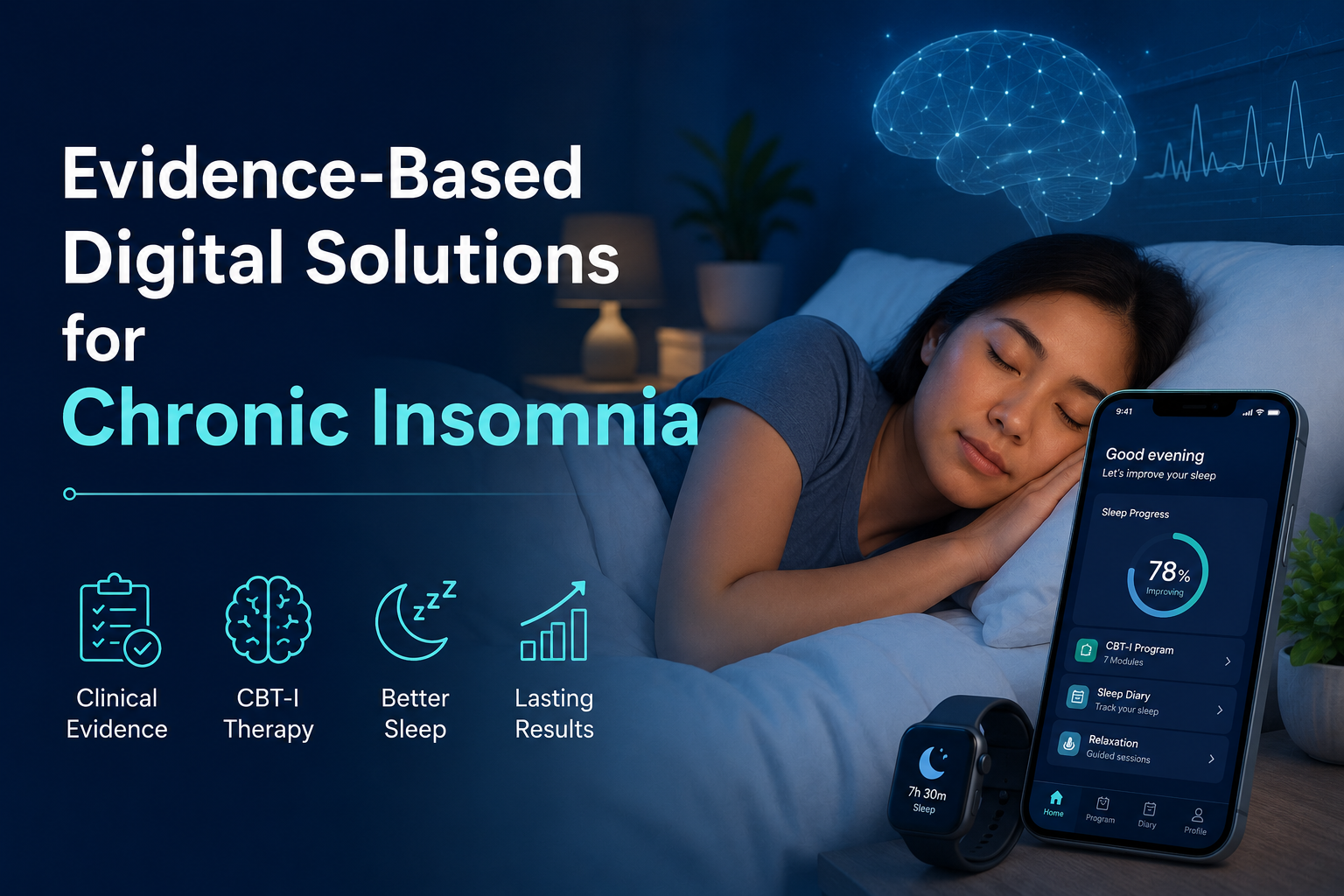
Evidence-Based Digital Solutions for Chronic Insomnia
Chronic insomnia affects 1 in 5 adults in Southeast Asia, yet fewer than 10% receive non-drug treatment. Evidence-based digital cognitive behavioral therapy (dCBT-I) reduces insomnia severity by 50% and works as well as face-to-face therapy. Learn how to choose the right app and integrate it into your routine.
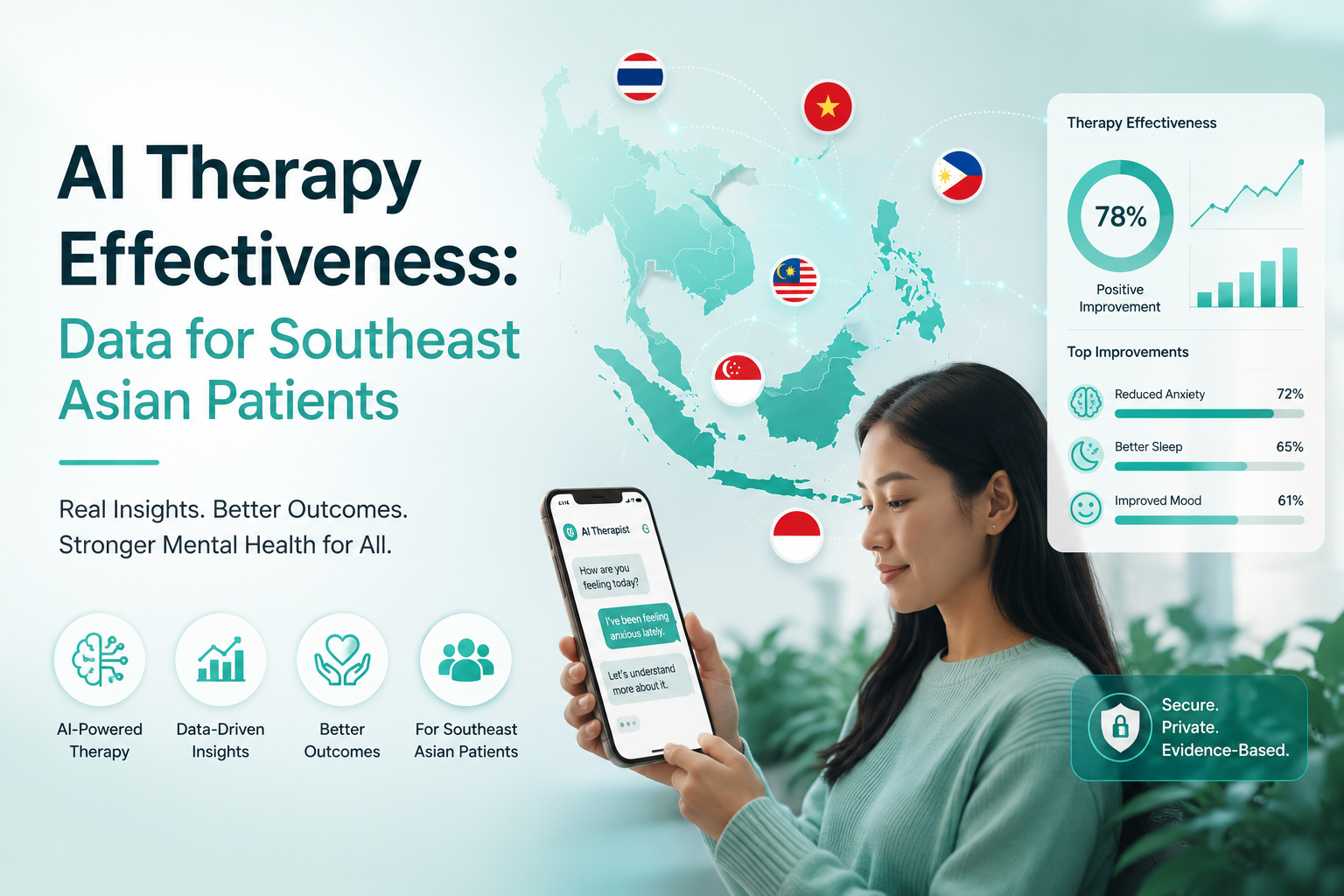
AI Therapy Effectiveness: Data for Southeast Asian Patients
AI therapy is gaining traction in Southeast Asia, but does it work? This article examines clinical evidence, risks, and cultural considerations for patients in Malaysia, Singapore, and Thailand. We review the data on AI chatbot therapy for depression and anxiety, compare it to human therapists, and provide region-specific guidance on choosing the right platform.