AI in Healthcare: Diagnosis, Detection & the Future of Medicine
Artificial intelligence is changing how disease is diagnosed and caught early — but separating genuine clinical capability from hype matters, especially in healthcare. This hub collects our full AI-in-medicine coverage: how AI actually helps doctors diagnose, where AI symptom checkers are reliable (and where they're not), how machine learning reads medical images, and what earlier detection really looks like in practice.

AI Clinical Scribes Reduce Physician Burnout: Evidence & Implementation
AI clinical scribes reduce documentation time by up to 50% and cut burnout rates by 90% among physicians. This article reviews the evidence, compares AI vs human scribes, and addresses unique adoption challenges in Southeast Asia—including language adaptation, EHR interoperability, and cost for small clinics.

Privacy and AI Healthcare Apps: What Data Do They Actually Collect
Only 30% of health apps have a privacy policy. 65% of AI-powered apps transmit data unencrypted. This article breaks down what data is collected, how it’s used, and what Southeast Asian regulations (PDPA, Thailand PDPA) actually require—plus steps you can take today to protect your health data.

Machine Learning Early Disease Detection: 2025 SEA Guide
Machine learning detects diseases like cancer, diabetes, and tuberculosis years before symptoms appear — with accuracy up to 94.6%. Here's how it works in Southeast Asia, what it means for you, and why it won't replace your doctor.

AI vs Traditional Doctor Visit: When to Use Each in SEA
AI symptom checkers and doctors each have distinct strengths in Southeast Asia. This guide compares diagnostic accuracy, costs, and cultural factors to help you choose the right first step for your health concern.

AI Mental Health Triage: Opportunities and Ethical Risks in SE Asia
AI mental health triage uses algorithms to prioritise and screen patients before human consultation. Evidence shows up to 30% reduction in wait times but accuracy varies from 60% to 95%. This article examines the opportunities and ethical minefields specific to Southeast Asia.

The Future of Telehealth in Malaysia: What Patients Need to Know
Telehealth in Malaysia is entering a new phase beyond pandemic novelty. With the National Telehealth Policy (2022), AI-powered triage, and evolving insurance coverage, patients can now access safe, regulated virtual care. Learn what changes matter most and how to navigate them.

Personalized Digital Mental Health: Tailoring Therapy to You
Personalized digital mental health therapy adapts treatment content, pacing, and feedback to your unique profile. Over 60% of users prefer personalized over generic advice. This guide covers how AI personalizes care, cultural adaptation in Malaysia and Singapore, privacy risks, and how to choose the right app.

AI Clinical Documentation Improvement Southeast Asia: Reducing Coding Errors
AI-driven clinical documentation improvement (CDI) cuts coding errors by 30-50% in Southeast Asian hospitals. This article explains how AI tools integrate with EHR systems, meet WHO ICD-11 standards, and deliver measurable ROI—even for small-to-mid-sized facilities.
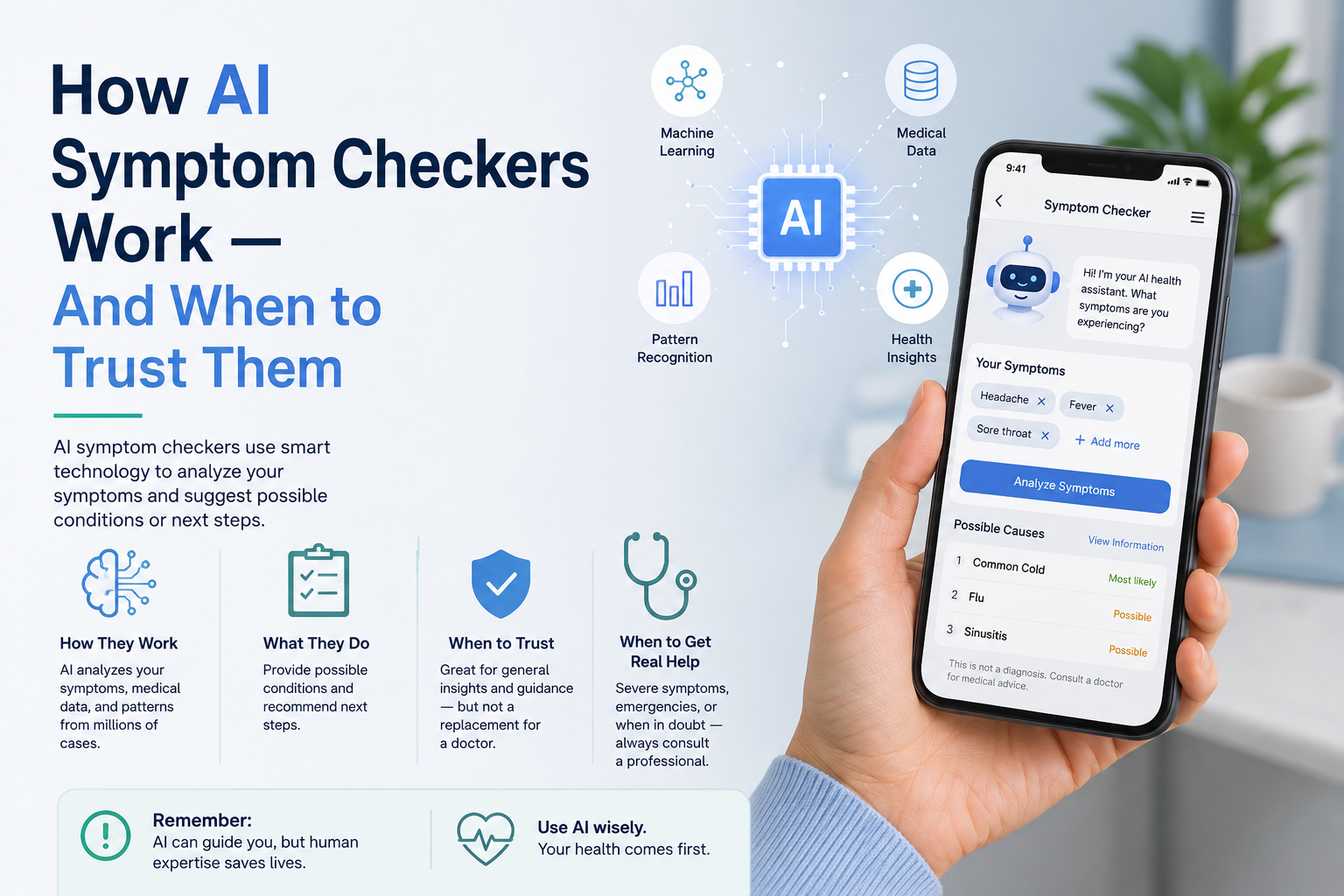
How AI Symptom Checkers Work — And When to Trust Them
AI symptom checkers use machine learning to match symptoms with possible conditions. In Southeast Asia, access and cultural factors affect reliability. This guide explains how they work, when to trust them, and when you still need a doctor.
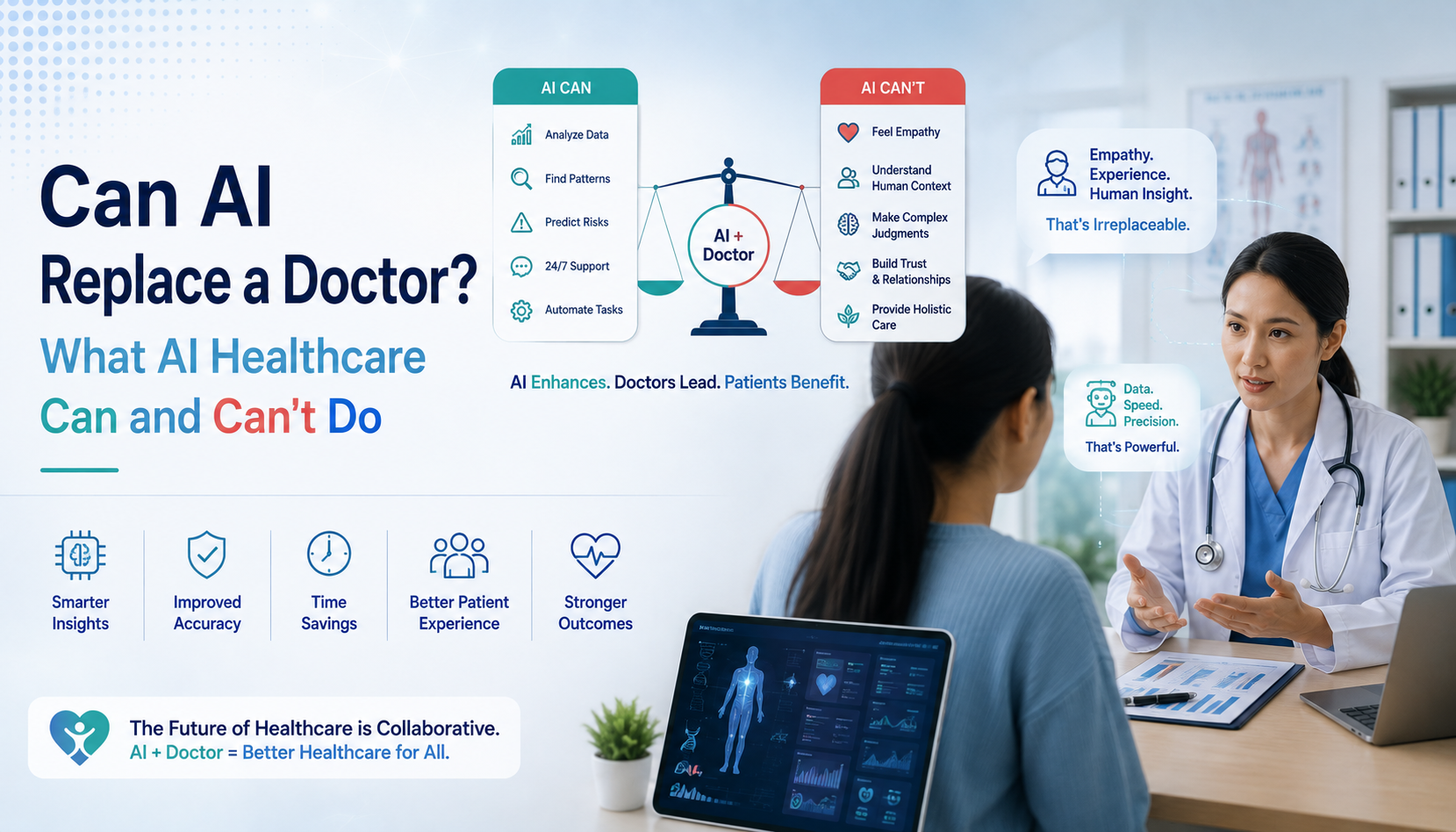
Can AI Replace a Doctor? What AI Healthcare Can and Can't Do
Artificial intelligence is transforming medicine, but can it replace a doctor? This evidence-based analysis examines AI diagnostic accuracy, the irreplaceable human elements of care, and the critical gaps in local validation and policy that matter for Southeast Asian patients and clinicians.

Patient Engagement Strategies for Closing Care Gaps in Southeast Asia
Nearly 50% of patients with chronic conditions in Southeast Asia do not adhere to long-term therapies. Effective patient engagement strategies that respect cultural norms, family dynamics, and low digital literacy can close care gaps. This guide provides actionable communication tactics for clinicians and health systems.

AI Patient Communication Tools Boost Southeast Asia Outcomes
AI-powered patient communication tools are transforming healthcare in Southeast Asia. Studies show a 30% increase in appointment adherence and up to 20% reduction in chronic disease complications. This article examines the evidence, implementation challenges, and cost-effectiveness across Malaysia, Indonesia, and Vietnam.
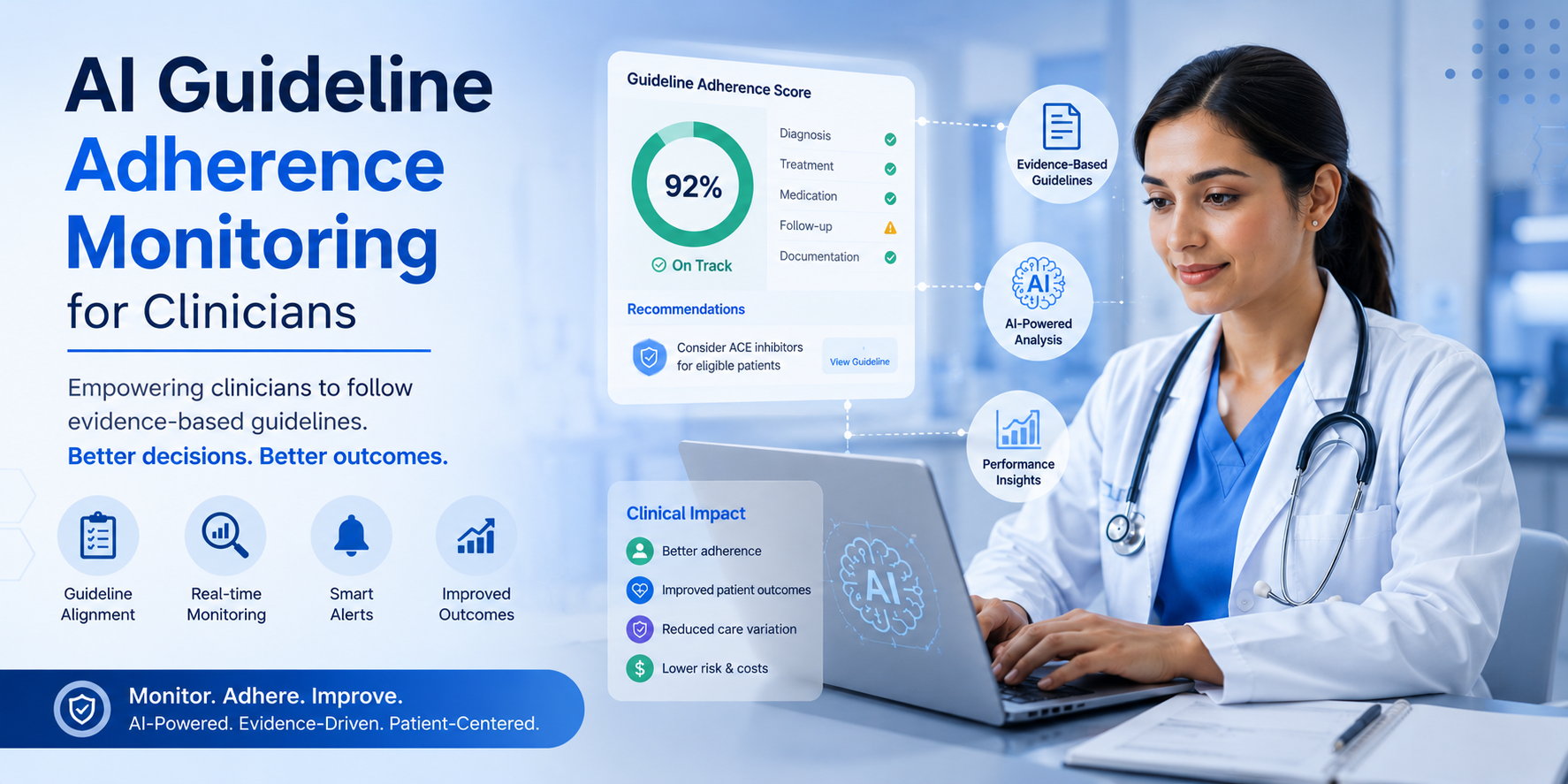
AI Guideline Adherence Monitoring for Clinicians: A Southeast Asia Implementation Guide
Baseline guideline adherence in Southeast Asian hospitals averages just 60–65%, and manual audits miss 80% of deviations. This implementation guide for hospital administrators and clinical governance leads covers the 4-phase rollout framework, multilingual NLP, PDPA compliance, red-flag protocols, and cost-effectiveness evidence for AI-driven clinical decision support.

AI-Powered Patient Communications: Closing the Loop in Healthcare
AI-powered patient communications closing the loop in healthcare is a systems-level approach to ensure no patient falls through the cracks. This guide covers causes, treatment, prevention, and red flags for Southeast Asian patients and clinicians.
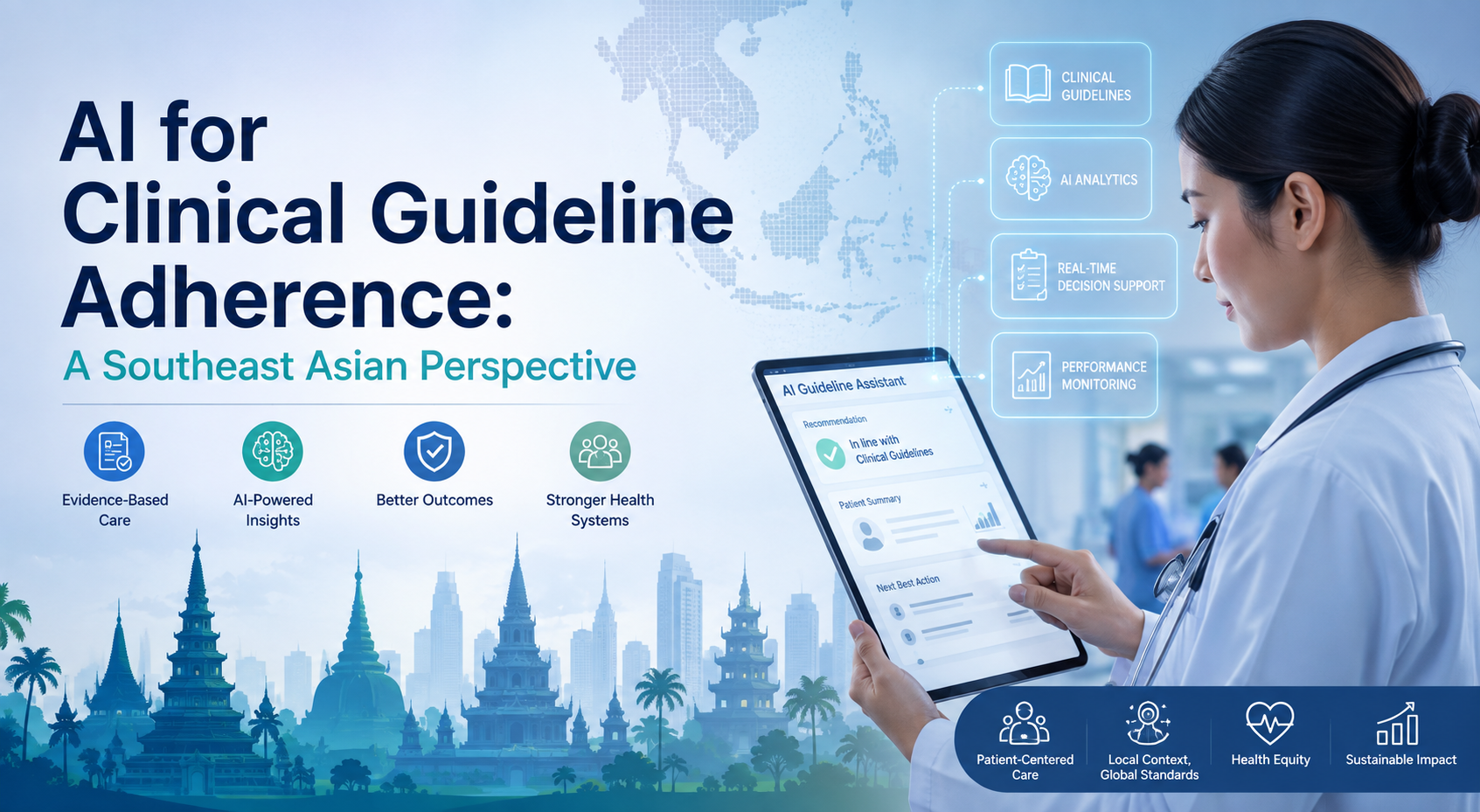
AI for Clinical Guideline Adherence: A Southeast Asian Perspective
AI for clinical guideline adherence can reduce non-adherence rates from 30–40% to under 15% in controlled settings. In Southeast Asia, local barriers like limited EHR adoption and language diversity require tailored AI solutions. This article examines evidence, cost-effectiveness, and practical steps for clinicians and health systems.

Digital Coaching Chronic Disease Management: Best Devices & Strategies
Chronic diseases cause 8.5 million deaths yearly in Southeast Asia. Digital coaching combined with smart devices can reduce HbA1c by 0.5% and improve blood pressure control. This guide reveals low-cost strategies for patients in Malaysia, Indonesia, and Thailand.
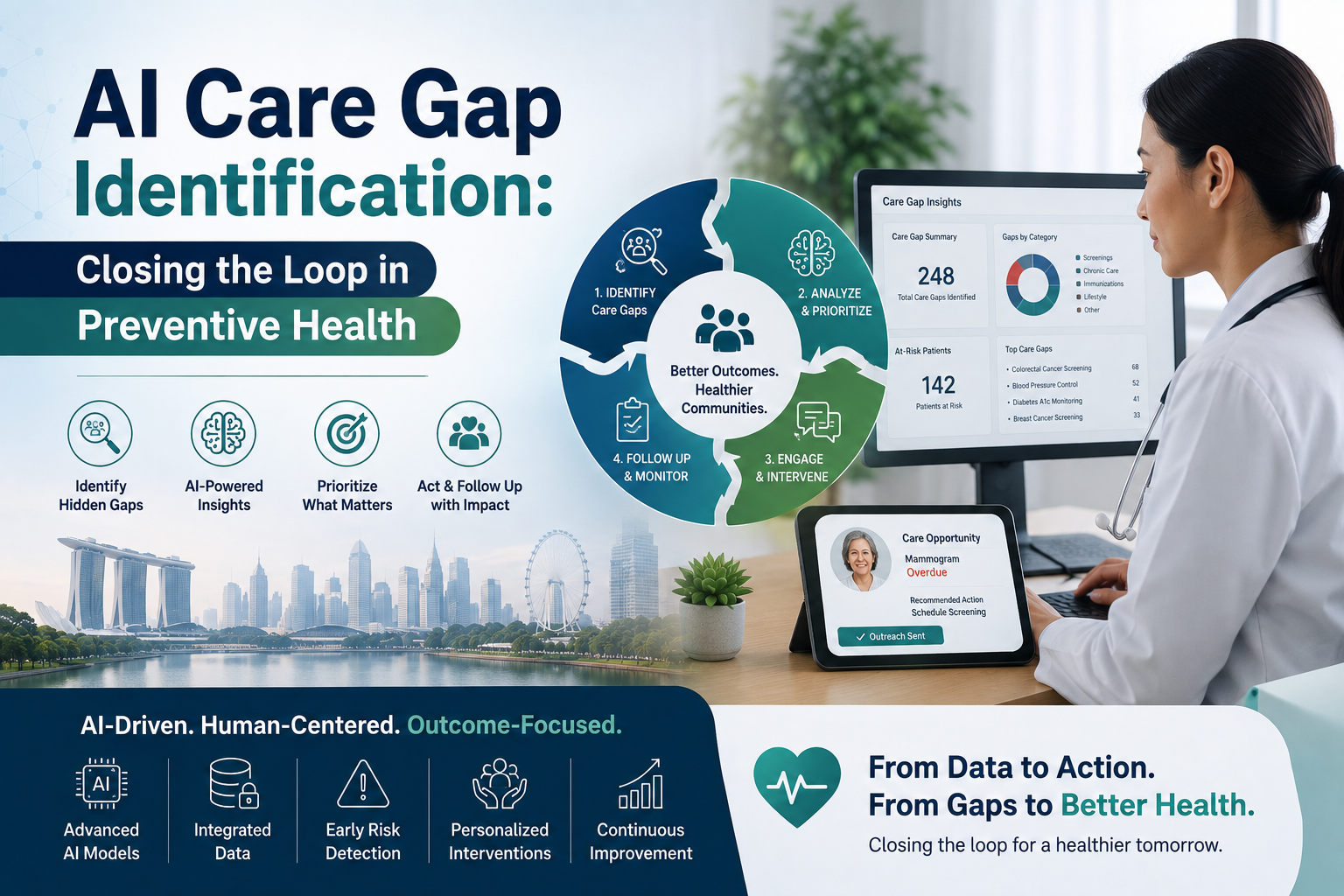
AI Care Gap Identification: Closing the Loop in Preventive Health
AI-powered care gap identification finds the missing preventive services that lead to chronic disease. In Southeast Asia, where only 30% of diabetes cases are diagnosed, AI tools can boost screening completion by 20–30% and reduce avoidable deaths. This article explains how the technology works, the data it needs, and the challenges of integrating with regional health systems like Malaysia's MySejahtera.

Digital Therapeutics for Chronic Insomnia in Southeast Asia
Chronic insomnia affects 1 in 3 adults in Southeast Asia. Digital therapeutics—specifically digital CBT-I—offer a clinically proven, scalable alternative to sleeping pills and face-to-face therapy. This article reviews the evidence, regulatory landscape, and practical steps for patients in Malaysia, Singapore, Thailand, and Indonesia.

AI Closing Care Gaps in Healthcare: A Clinician's Guide
AI-driven clinical decision support systems reduce care gaps in diabetes management by 24%. In Southeast Asia, where noncommunicable diseases cause 60% of deaths, AI can identify missed screenings and treatments. This guide covers how AI works, real-world examples, regional challenges, and ethical considerations.

Virtual Physical Therapy for Musculoskeletal Pain: Is It Right for You?
Virtual physical therapy can be as effective as in-person care for many musculoskeletal conditions, with pain reductions averaging 40%. This guide covers conditions, costs, equipment needs, and insurance coverage in Malaysia and Southeast Asia, including the emerging role of AI-guided rehabilitation.

AI-Driven Chronic Disease Management: What You Need to Know
Chronic diseases cause 71% of global deaths. AI-driven chronic disease management uses machine learning to monitor, predict, and personalize treatment. This article covers the evidence, challenges, and practical tools available in Southeast Asia, with a focus on Malaysia.

How AI Is Transforming Musculoskeletal Pain Management
AI in musculoskeletal pain management uses machine learning and computer vision to diagnose, treat, and monitor bone, joint, and muscle conditions. With global prevalence affecting 1.71 billion people and Southeast Asian rates of chronic low back pain reaching 30%, AI tools now achieve >90% accuracy in detecting fractures and cut physiotherapy recovery time by up to 30%. This article covers how AI works, region-specific challenges, and practical steps for patients in Malaysia, Indonesia, and beyond.