AI for Doctors & Clinics: Clinical Decision Support and Workflow
Coverage written for the people delivering care rather than receiving it. This hub collects our clinician-facing work: how AI clinical decision support performs against guideline adherence, what care-gap identification looks like in a resource-constrained clinic, where AI reduces documentation burden, and the governance and safety questions a clinical lead should be asking before any of it reaches patients.
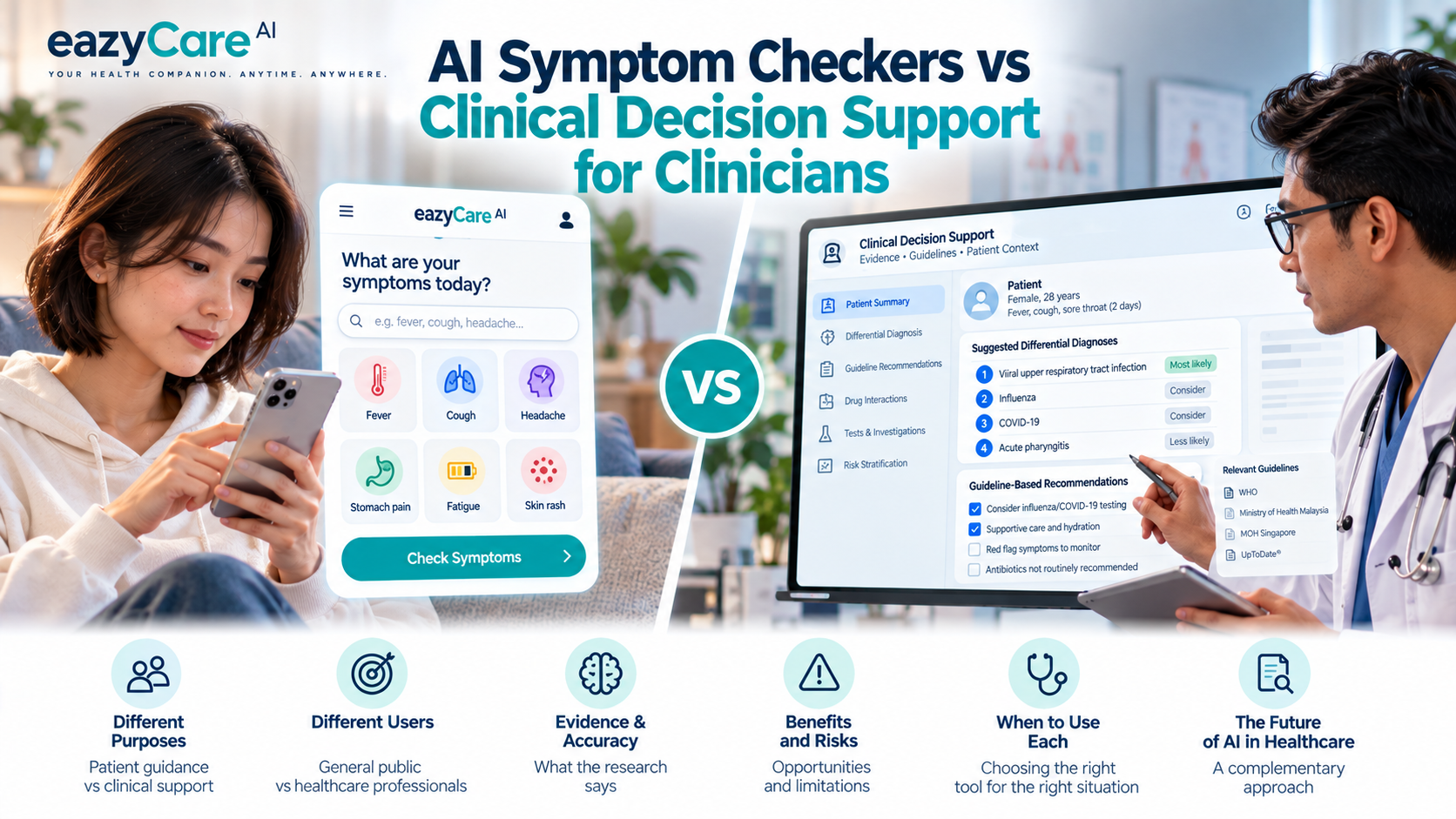
AI Symptom Checkers vs Clinical Decision Support for Clinicians
AI symptom checkers and clinical decision support systems serve different roles. Discover the evidence on diagnostic accuracy, workflow integration challenges, and how Southeast Asian clinicians can combine both tools without compromising patient safety.

AI Healthcare App Security: Enterprise Guide for Clinics
AI healthcare apps offer powerful diagnostic and operational benefits, but they also introduce serious data security risks. This guide covers the regulatory landscape in Southeast Asia, core security measures like encryption and access control, and a step-by-step framework for clinics to implement enterprise-grade protection.
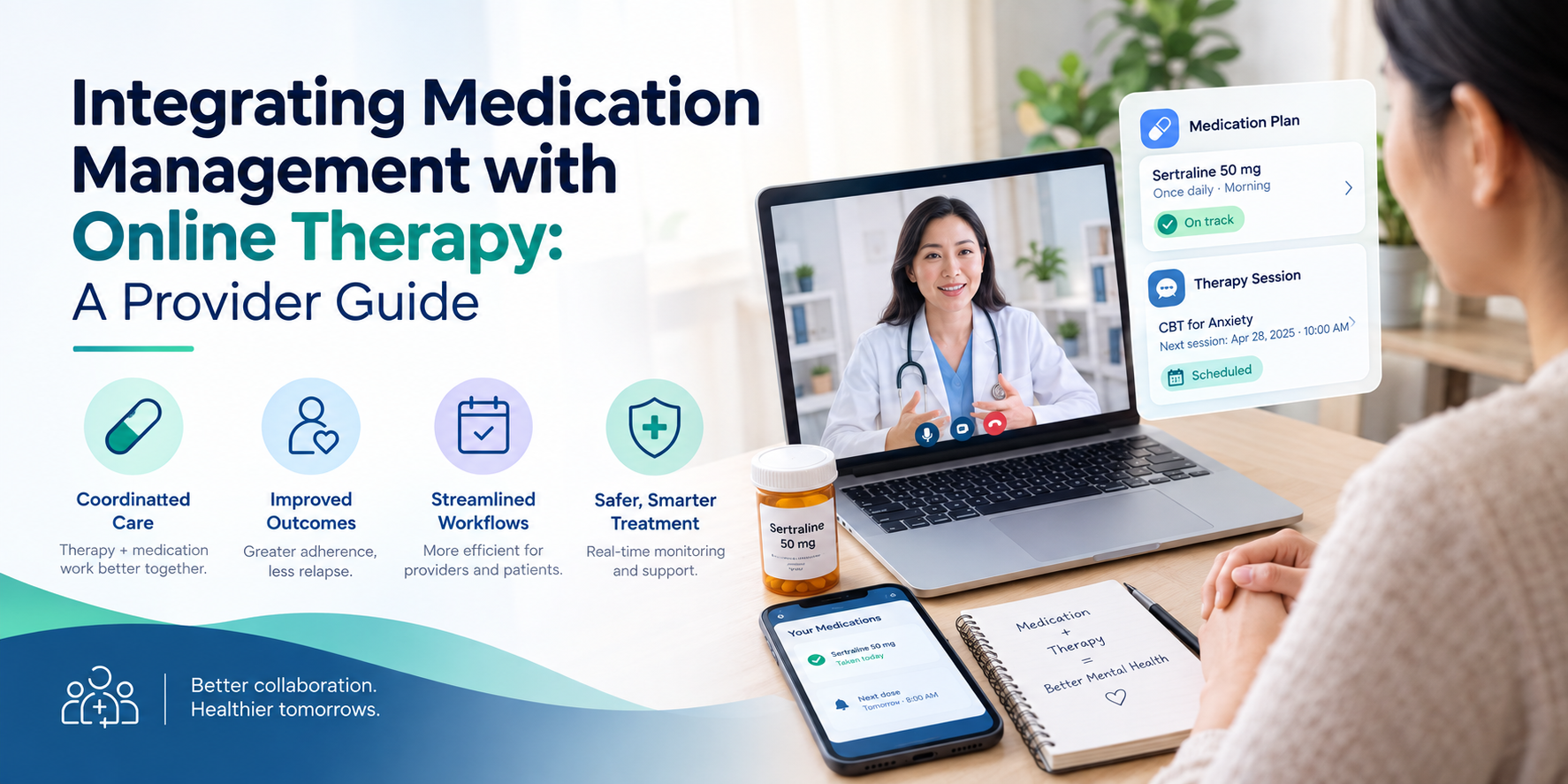
Integrating Medication Management with Online Therapy: A Provider Guide
Integrating medication management with online therapy improves outcomes by up to 45% in collaborative care models. This guide covers practical workflows, Malaysian MOH regulations, and safety protocols for Southeast Asian providers.

AI Clinical Documentation Improvement Southeast Asia: Reducing Coding Errors
AI-driven clinical documentation improvement (CDI) cuts coding errors by 30-50% in Southeast Asian hospitals. This article explains how AI tools integrate with EHR systems, meet WHO ICD-11 standards, and deliver measurable ROI—even for small-to-mid-sized facilities.

How Digital Health Platforms Improve Work-Life Balance for Clinicians
Digital health platforms cut administrative tasks by 30%, giving clinicians 2.5 extra hours per week. Telemedicine, remote monitoring, and AI scheduling reduce overtime by 22%. Yet only 35% of Southeast Asian clinicians report improved balance—due to infrastructure gaps and cultural resistance. This article examines region-specific solutions and barriers.
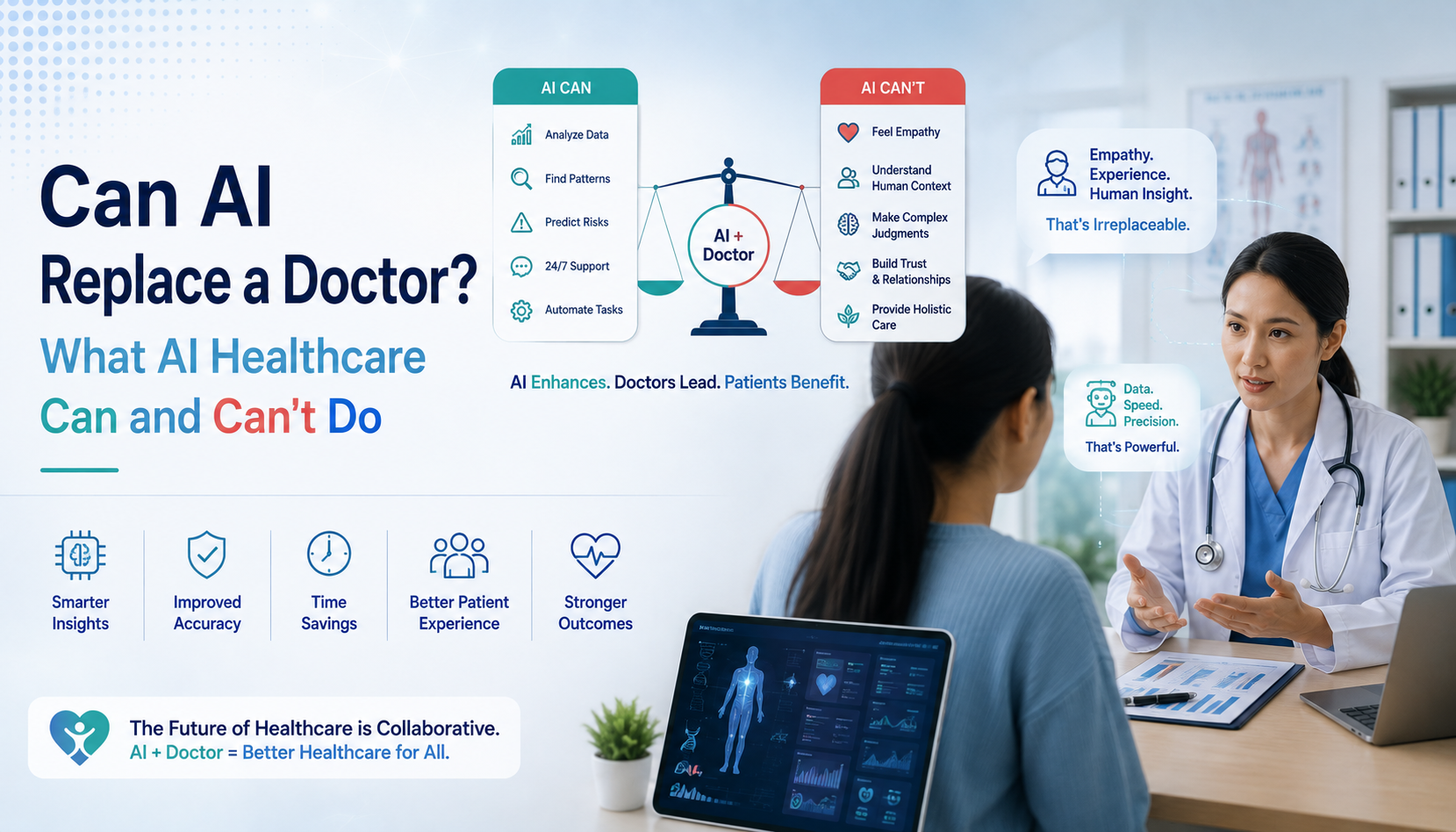
Can AI Replace a Doctor? What AI Healthcare Can and Can't Do
Artificial intelligence is transforming medicine, but can it replace a doctor? This evidence-based analysis examines AI diagnostic accuracy, the irreplaceable human elements of care, and the critical gaps in local validation and policy that matter for Southeast Asian patients and clinicians.

Patient Engagement Strategies for Closing Care Gaps in Southeast Asia
Nearly 50% of patients with chronic conditions in Southeast Asia do not adhere to long-term therapies. Effective patient engagement strategies that respect cultural norms, family dynamics, and low digital literacy can close care gaps. This guide provides actionable communication tactics for clinicians and health systems.

AI Patient Communication Tools Boost Southeast Asia Outcomes
AI-powered patient communication tools are transforming healthcare in Southeast Asia. Studies show a 30% increase in appointment adherence and up to 20% reduction in chronic disease complications. This article examines the evidence, implementation challenges, and cost-effectiveness across Malaysia, Indonesia, and Vietnam.

Proactive Goal Setting in Chronic Disease Management: Member Engagement That Works
Proactive goal setting transforms chronic disease management from reactive crisis care to sustained member engagement. This article reviews the behavioural science, implementation frameworks, and metrics that drive measurable outcomes in Southeast Asian health systems.

Care Gap Identification and Outreach: Proactive Patient Engagement in Southeast Asia
Care gaps affect millions of patients in Southeast Asia. This guide covers identification methods, outreach strategies using community health workers and telehealth, and measurable outcomes to reduce disparities.
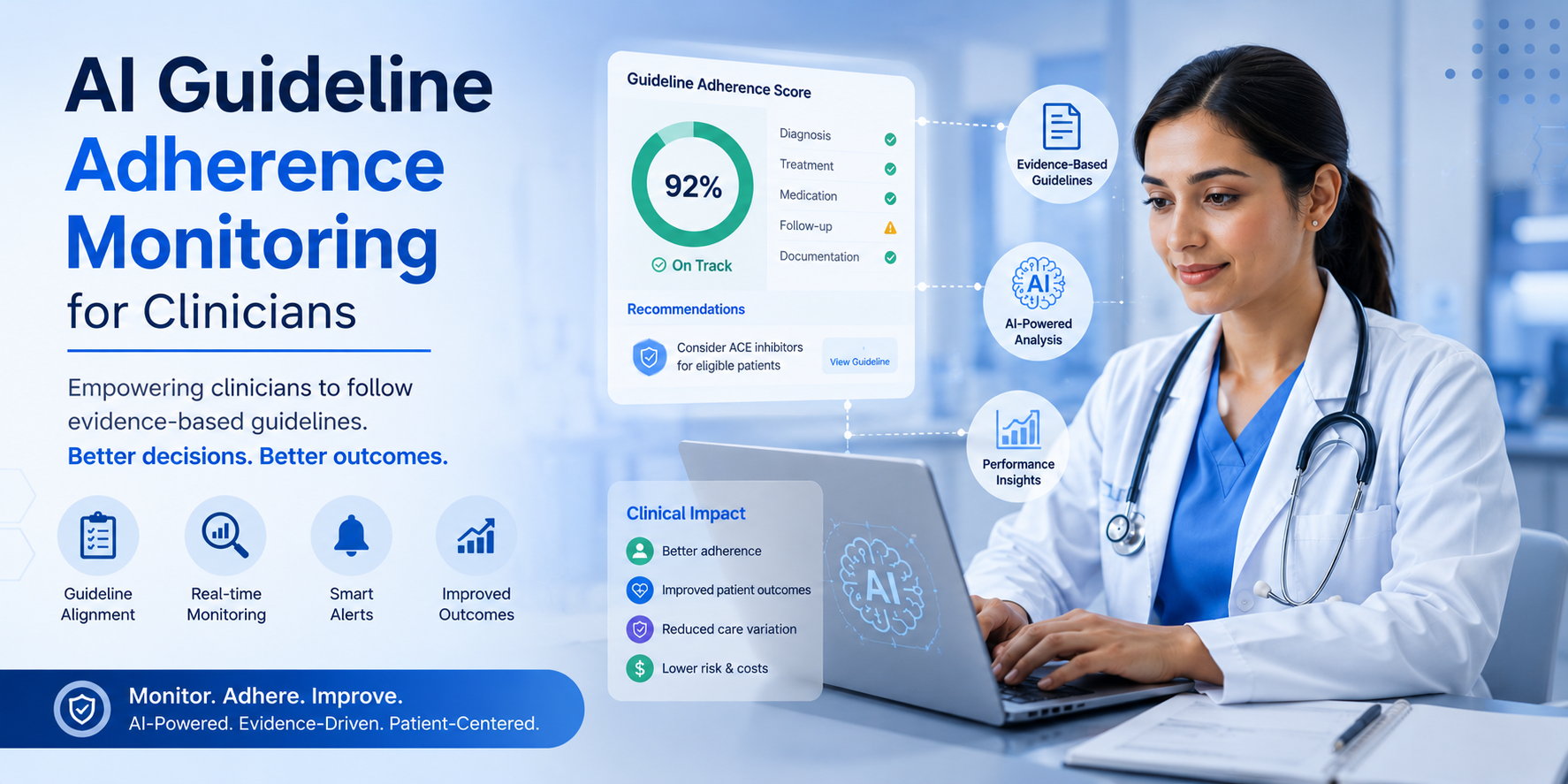
AI Guideline Adherence Monitoring for Clinicians: A Southeast Asia Implementation Guide
Baseline guideline adherence in Southeast Asian hospitals averages just 60–65%, and manual audits miss 80% of deviations. This implementation guide for hospital administrators and clinical governance leads covers the 4-phase rollout framework, multilingual NLP, PDPA compliance, red-flag protocols, and cost-effectiveness evidence for AI-driven clinical decision support.

AI-Powered Patient Communications: Closing the Loop in Healthcare
AI-powered patient communications closing the loop in healthcare is a systems-level approach to ensure no patient falls through the cracks. This guide covers causes, treatment, prevention, and red flags for Southeast Asian patients and clinicians.
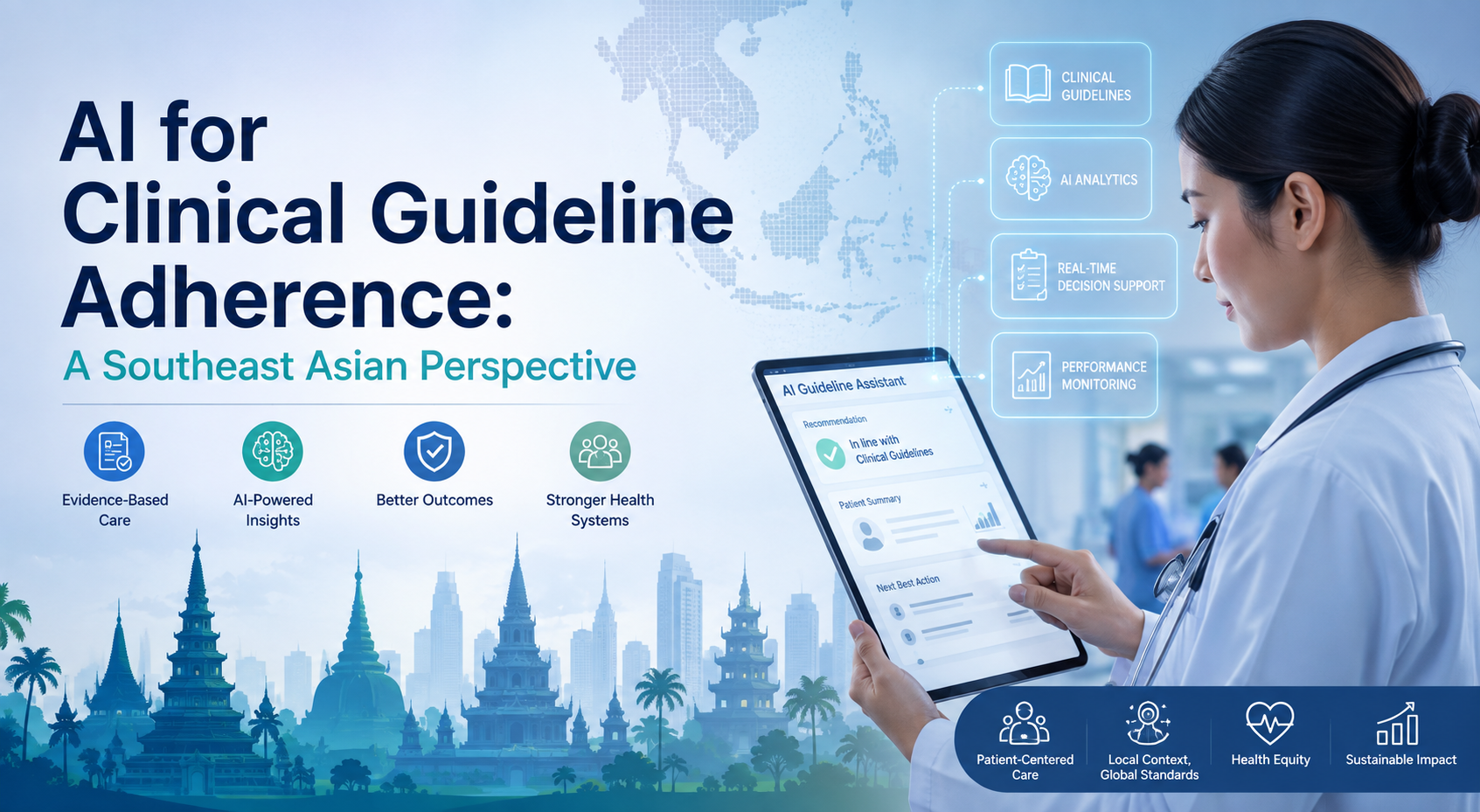
AI for Clinical Guideline Adherence: A Southeast Asian Perspective
AI for clinical guideline adherence can reduce non-adherence rates from 30–40% to under 15% in controlled settings. In Southeast Asia, local barriers like limited EHR adoption and language diversity require tailored AI solutions. This article examines evidence, cost-effectiveness, and practical steps for clinicians and health systems.
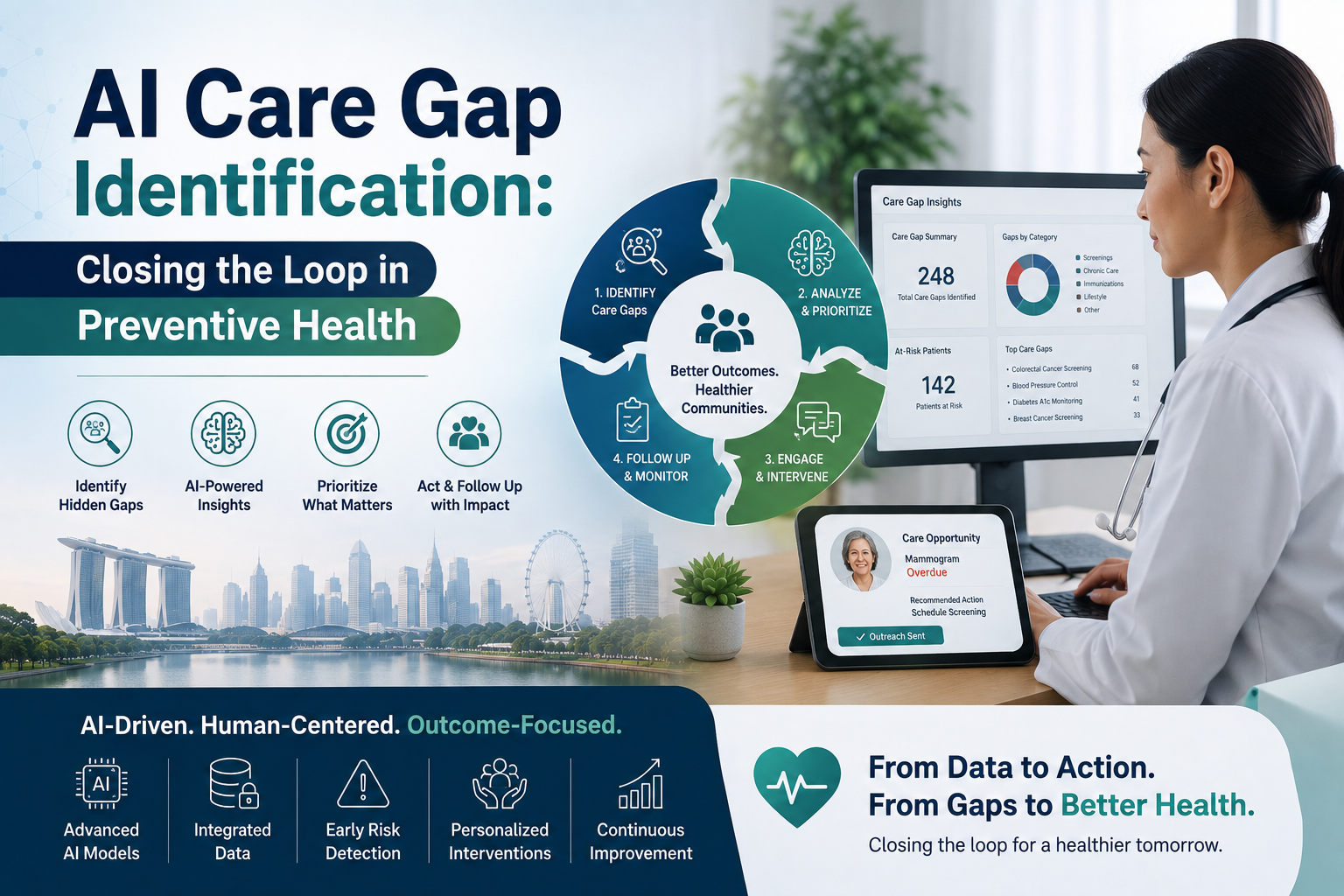
AI Care Gap Identification: Closing the Loop in Preventive Health
AI-powered care gap identification finds the missing preventive services that lead to chronic disease. In Southeast Asia, where only 30% of diabetes cases are diagnosed, AI tools can boost screening completion by 20–30% and reduce avoidable deaths. This article explains how the technology works, the data it needs, and the challenges of integrating with regional health systems like Malaysia's MySejahtera.

AI in Medical Coding and Billing: Reducing Revenue Leakage
Revenue leakage costs healthcare providers 5–10% of net annual revenue due to coding errors and claim denials. AI-powered medical coding cuts human error rates by 80% and speeds reimbursement cycles. This article examines how Southeast Asian clinics and hospitals can deploy AI to plug revenue gaps.

AI Closing Care Gaps in Healthcare: A Clinician's Guide
AI-driven clinical decision support systems reduce care gaps in diabetes management by 24%. In Southeast Asia, where noncommunicable diseases cause 60% of deaths, AI can identify missed screenings and treatments. This guide covers how AI works, real-world examples, regional challenges, and ethical considerations.