Health Education & Preventive Care Guides
Most serious health problems give warning signs long before they become emergencies — the challenge is knowing what to look for and what to do about it. This hub brings together our symptom guides, blood-test explainers, and preventive-health coverage, including how AI-assisted risk assessment and personalized recommendations are making prevention more accessible.

Virtual Physical Therapy for MSK: Science-Backed Interventions & Goals
Virtual physical therapy for musculoskeletal (MSK) conditions combines remote assessment, exercise prescription, and coaching — supported by over 47 randomized controlled trials. This article breaks down which interventions have evidence, how to set meaningful goals, and what outcomes you can realistically expect.
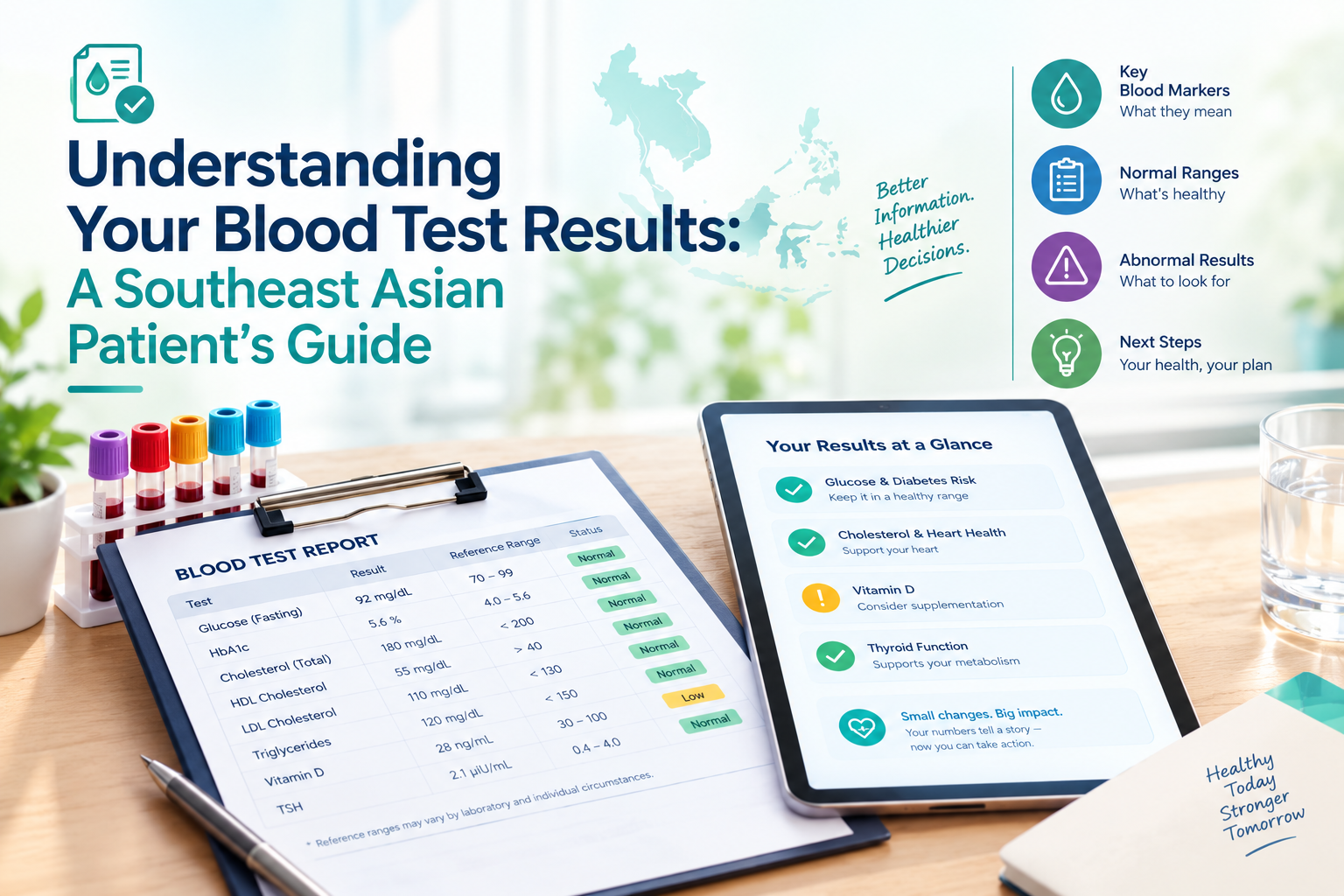
Understanding Your Blood Test Results: A Southeast Asian Patient's Guide
A comprehensive guide to understanding Understanding Your Blood Test Results: A Southeast Asian Patient's Guide, when to seek medical care, and how to manage it effectively.

Diabetes Reversal Through Virtual Care: What the Science Says
Virtual care programs combining continuous glucose monitoring, remote coaching, and structured weight management can reverse type 2 diabetes in up to 46% of patients. Here’s what the evidence shows for Southeast Asia.

Virtual Diabetes Reversal Program Clinician Guide for Southeast Asia
A virtual diabetes reversal program combines telehealth, dietary modification, and continuous glucose monitoring to achieve remission of type 2 diabetes. This guide covers Southeast Asian-specific protocols, regulatory frameworks, and outcome metrics for clinicians implementing or evaluating such programs.
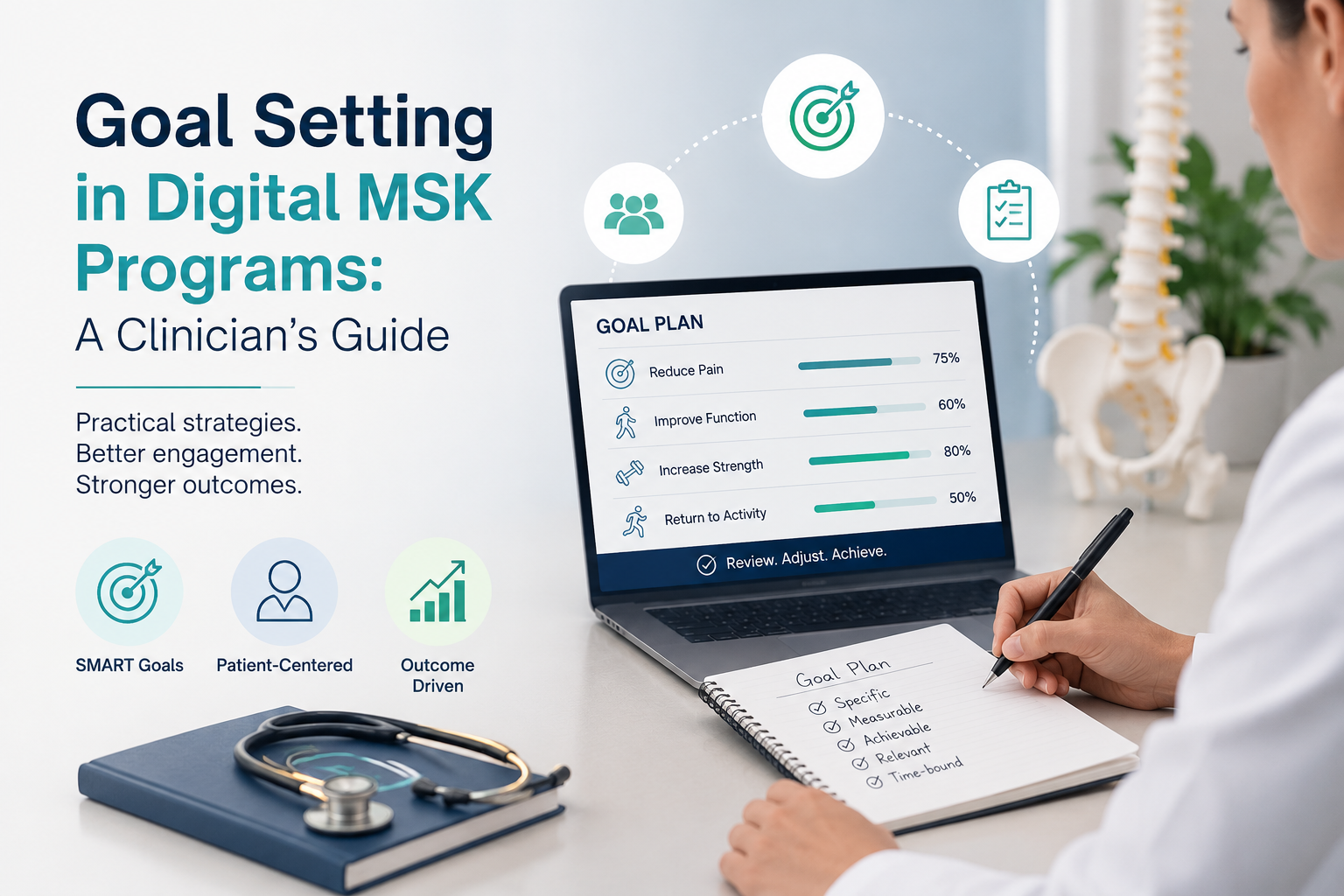
Goal Setting in Digital MSK Programs: A Clinician's Guide
Goal setting is the cornerstone of effective digital MSK programs. This article explains how structured, culturally adapted goals improve adherence, reduce pain, and sustain long-term recovery—with specific strategies for Southeast Asian populations.

How Digital Health Platforms Improve Work-Life Balance for Clinicians
Digital health platforms cut administrative tasks by 30%, giving clinicians 2.5 extra hours per week. Telemedicine, remote monitoring, and AI scheduling reduce overtime by 22%. Yet only 35% of Southeast Asian clinicians report improved balance—due to infrastructure gaps and cultural resistance. This article examines region-specific solutions and barriers.
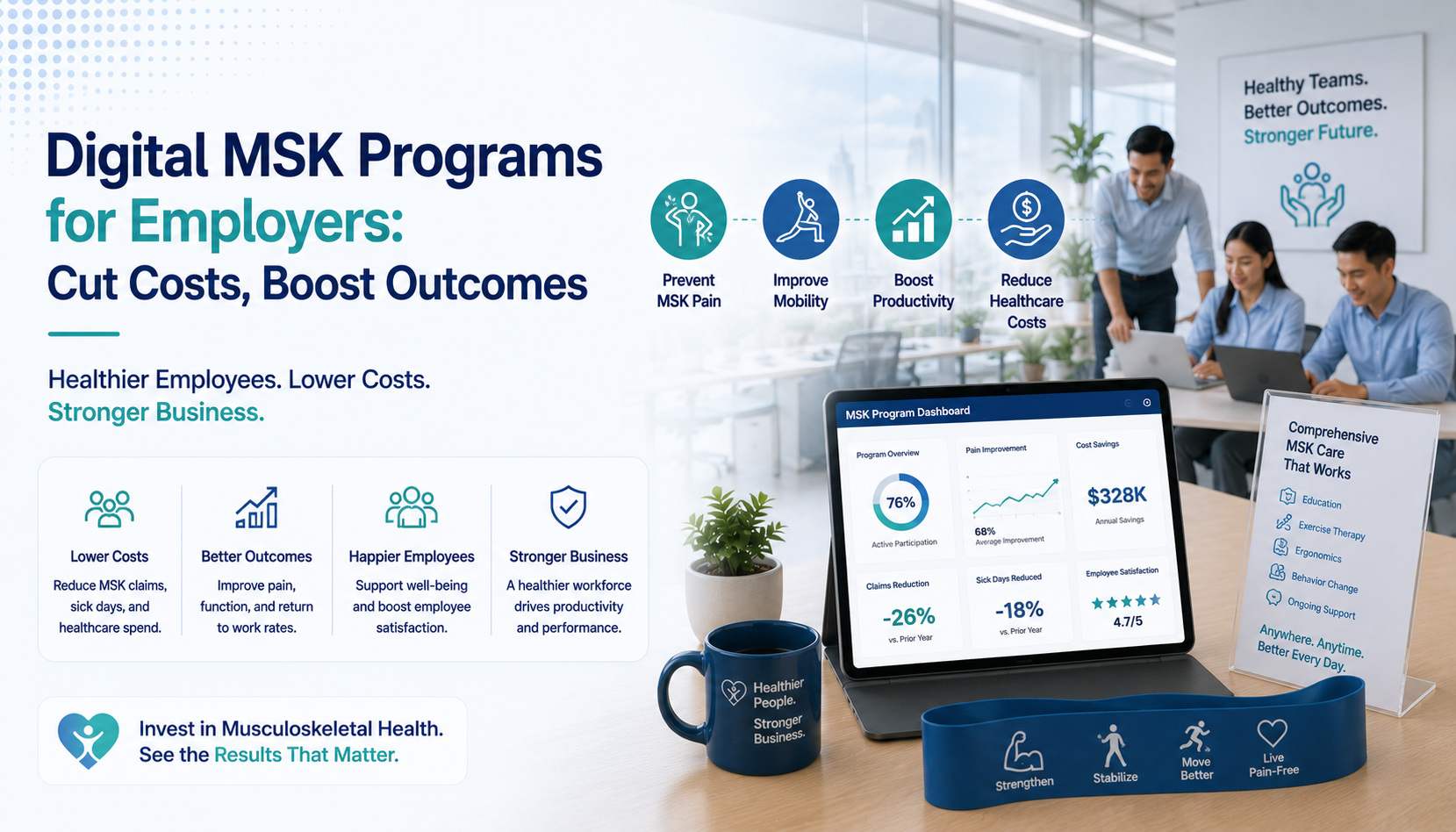
Digital MSK Programs for Employers: Cut Costs, Boost Outcomes
Musculoskeletal (MSK) disorders affect 1.71 billion people globally and cost employers thousands per employee annually. Digital MSK programs reduce costs by 20–30%, cut pain-related productivity loss by 40%, and improve work performance by 60% within 12 weeks. This guide covers the evidence, ROI, and implementation for Southeast Asian employers.

Sustainable Weight Loss with GLP-1s: Beyond the Initial Drop
GLP-1 receptor agonists produce impressive short-term weight loss, but two-thirds of lost weight returns within a year of stopping. This article provides practical, region-specific strategies for Southeast Asian patients to maintain results long-term, including dietary adaptations, exercise prescriptions, and a tapering plan.

Digital Health Programs Adherence Health Goals: A Clinician's Guide
Digital health programs improve medication adherence by 15–30% and reduce noncommunicable disease risks by up to 20%. This guide explains how mHealth apps, wearables, and gamification work in Southeast Asia, addressing cultural barriers and integration with traditional medicine.

Digital Physical Therapy Southeast Asia: Personalized Pain Care Online
Digital physical therapy in Southeast Asia is transforming pain care. AI-powered apps personalize exercises for back pain, chronic conditions, and more. Learn how telerehabilitation works, its effectiveness, and what you need to get started.

Gut Health Second Brain: Why Your Stomach Controls Your Mood
The gut is often called the second brain—and for good reason. It contains 100 million neurons, produces 90% of your serotonin, and communicates directly with your brain. This article explains the gut-brain axis, signs of poor gut health, and how Southeast Asian fermented foods can improve both digestion and mental health.

Sustainable Weight Loss Alternatives to GLP-1: Digital Coaching
GLP-1 drugs produce rapid weight loss but 70–80% of weight is regained within a year of stopping. Digital coaching solutions offer a sustainable alternative, with lower cost and higher long-term maintenance rates. This article compares the evidence and provides actionable strategies for Southeast Asian readers.

Proactive Goal Setting in Chronic Disease Management: Member Engagement That Works
Proactive goal setting transforms chronic disease management from reactive crisis care to sustained member engagement. This article reviews the behavioural science, implementation frameworks, and metrics that drive measurable outcomes in Southeast Asian health systems.

Shortness of Breath When Not Exercising: Causes & When to Worry
Experiencing dyspnea at rest? This guide covers cardiac, pulmonary, and anxiety causes, local triggers like haze and heat, and a triage system to help you decide when to see a doctor. Includes 8 FAQs and actionable red flags.

Care Gap Identification and Outreach: Proactive Patient Engagement in Southeast Asia
Care gaps affect millions of patients in Southeast Asia. This guide covers identification methods, outreach strategies using community health workers and telehealth, and measurable outcomes to reduce disparities.

AI-Powered Patient Communications: Closing the Loop in Healthcare
AI-powered patient communications closing the loop in healthcare is a systems-level approach to ensure no patient falls through the cracks. This guide covers causes, treatment, prevention, and red flags for Southeast Asian patients and clinicians.

How to Read Blood Test Results in Plain English: A Step-by-Step Guide
Blood test results don't need to be confusing. This plain-English guide walks you through the most common tests—CBC, lipid panel, glucose, LFTs—with local reference ranges for Malaysia and Singapore. Learn what each number means, what 'normal' really depends on, and exactly what to do when a result is flagged.

Skin Changes That Signal Health Problems: 9 Warning Signs
Not every skin change is cosmetic. Up to 33% of people with type 2 diabetes develop skin manifestations. Yellow skin, dark patches, and chronic itching can signal liver disease, thyroid disorders, or even cancer. This guide helps you distinguish benign changes from red flags — with a focus on conditions prevalent in Southeast Asia.

Chest Pain Causes: What Every Southeast Asian Must Know
Chest pain is one of the most common reasons for emergency visits, yet up to 60% of cases are non-cardiac. This article helps Southeast Asian patients differentiate heart attack from anxiety, GERD, and costochondritis using local data and practical steps.

GLP-1 Medications Weight Loss: What You Need to Know
GLP-1 medications (semaglutide, liraglutide) are reshaping obesity treatment, producing 8–15% weight loss in clinical trials. But sustainability after stopping is a real concern. This article covers efficacy, safety, cost, and how these drugs fit into Southeast Asian lifestyles.
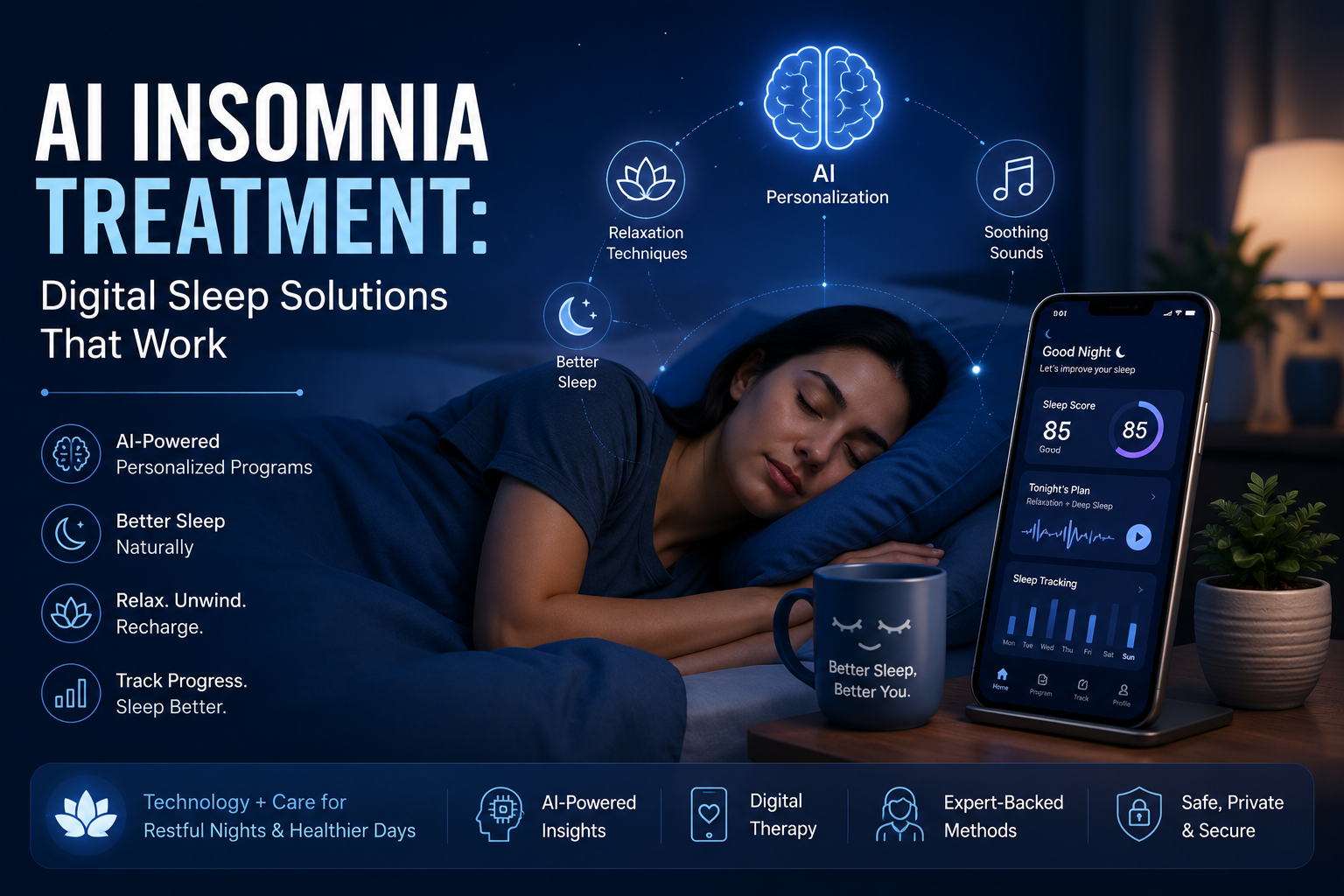
AI Insomnia Treatment: Digital Sleep Solutions That Work
AI insomnia treatment uses machine learning and cognitive behavioral therapy techniques to improve sleep. This article reviews digital sleep solutions, their effectiveness, risks, and whether they can replace traditional therapy. Includes specific data for Malaysia and Southeast Asia.

Chest Pain Causes and Meaning: A Clinical Guide
Chest pain is one of the most feared symptoms, but only 15–25% of cases turn out to be cardiac. This guide breaks down the causes—from pericarditis to panic—and gives you practical, cost-conscious steps for deciding when to worry and when to wait.

Why Am I So Tired All the Time? 8 Medical Reasons
If you're constantly exhausted despite adequate sleep, underlying medical conditions may be to blame. This article covers 8 common causes of chronic fatigue in Southeast Asia, including iron deficiency, sleep apnea, thyroid disorders, and depression, with region-specific data and actionable advice.

What Happens to Your Body When You Sit All Day: A Clinical Breakdown
Prolonged sitting triggers a cascade of physiological failures—metabolic shutdown, muscle atrophy, venous stasis, and increased cardiovascular risk. This article explains exactly what happens inside your body and provides actionable, low-cost interventions tailored for Southeast Asian office workers.

Flu vs COVID-19 Symptoms in 2025: Key Differences
With loss of taste or smell now rare in COVID-19 (5-10% of JN.1 cases), differentiating flu from COVID-19 in 2025 requires a new approach. This article provides symptom comparison, testing guidance, and self-triage steps for Southeast Asian readers.

10 Signs Your Body Needs More Sleep (And What to Do)
Sleep deprivation silently damages your health. Discover 10 signs your body needs more sleep—including specific symptoms common in tropical climates—and actionable solutions for Southeast Asians.

Understanding Blood Pressure Numbers: A Complete Guide for Southeast Asians
Blood pressure numbers are more than just two digits — they predict heart attack and stroke risk. This guide explains systolic and diastolic pressure, normal ranges by age, and why Southeast Asians face unique risks from high-sodium condiments like fish sauce and soy sauce. Includes MOH Malaysia and WHO guidelines, plus actionable steps to lower your numbers.

Fever in Children Guide: When to Worry and What to Do
A comprehensive guide to fever in children, covering normal temperature ranges, home care tips, danger signs like febrile seizures, and region-specific concerns such as dengue and hand-foot-mouth disease. Includes actionable triage steps for parents in Southeast Asia.

Headache Causes Beyond Stress: What's Really Going On
Most headaches are dismissed as stress or tiredness — but 10% have an underlying medical cause that requires diagnosis. From undetected hypertension to dengue fever and haze-triggered migraines, Southeast Asian patients face headache triggers that Western health guides never mention. This article covers what clinicians actually look for.
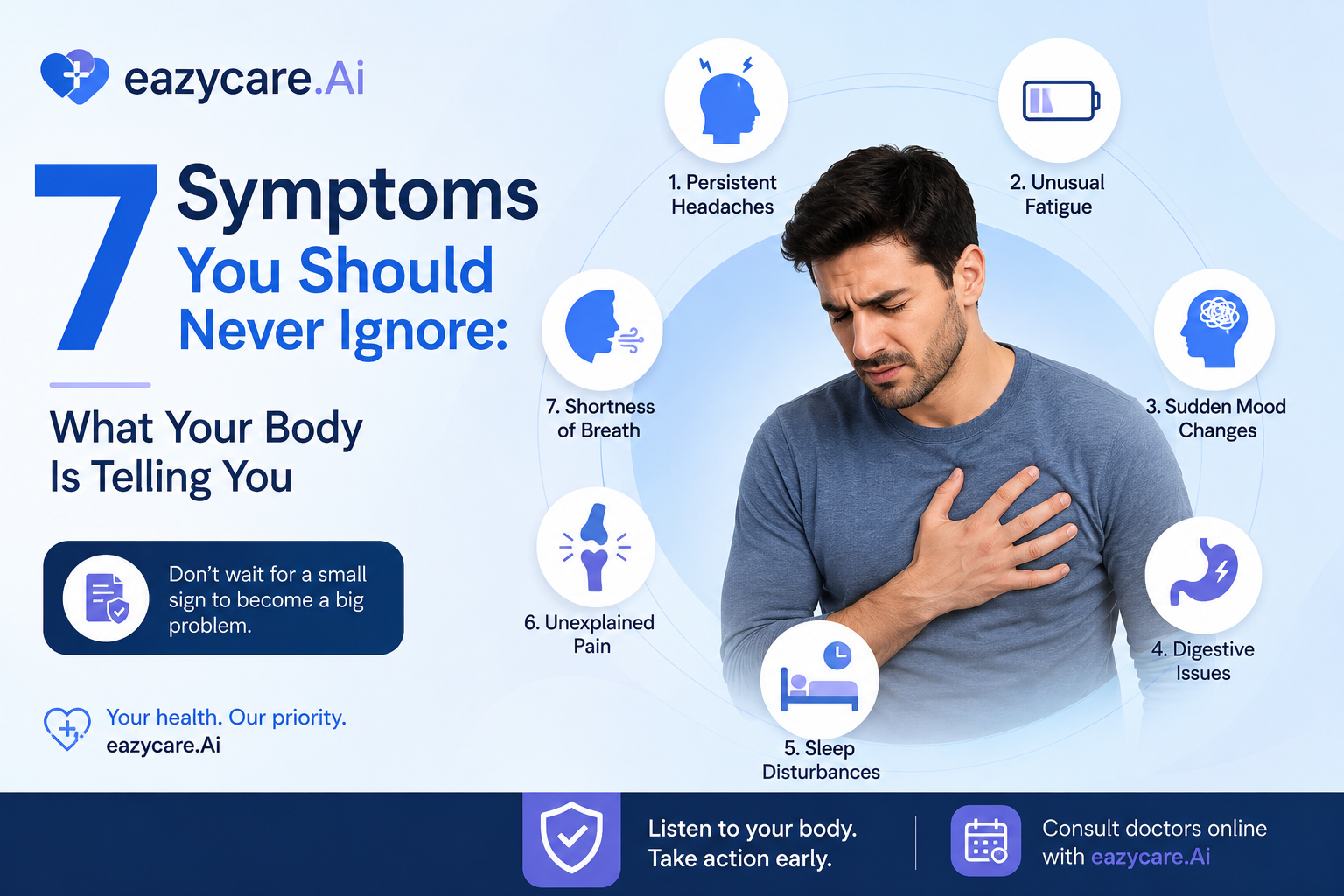
7 Symptoms You Should Never Ignore: What Your Body Is Telling You
Your body communicates distress through symptoms long before a condition becomes life-threatening. This clinician-written guide explains 7 symptoms that demand urgent attention, why they matter in the Southeast Asian health context, and exactly when to seek care.