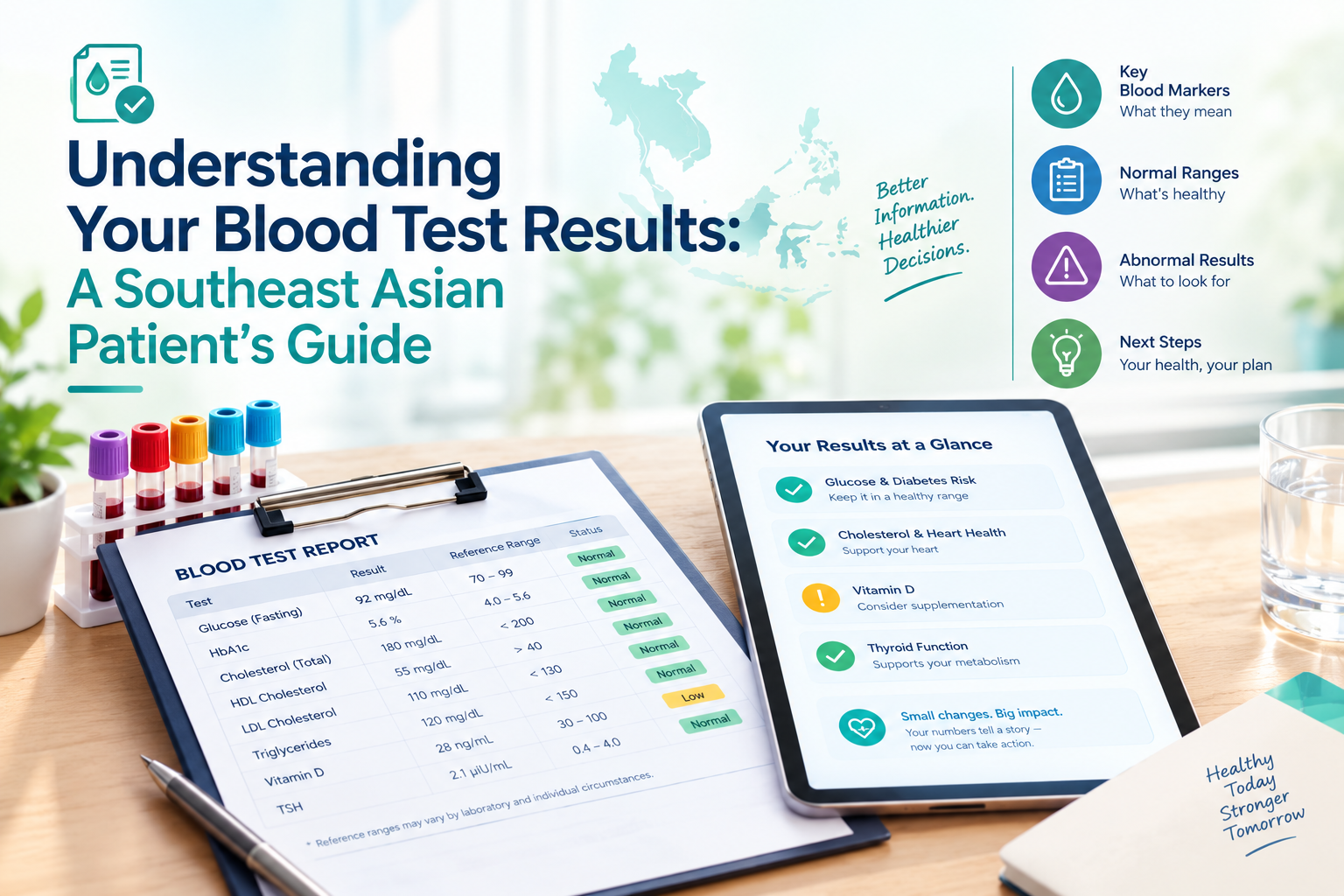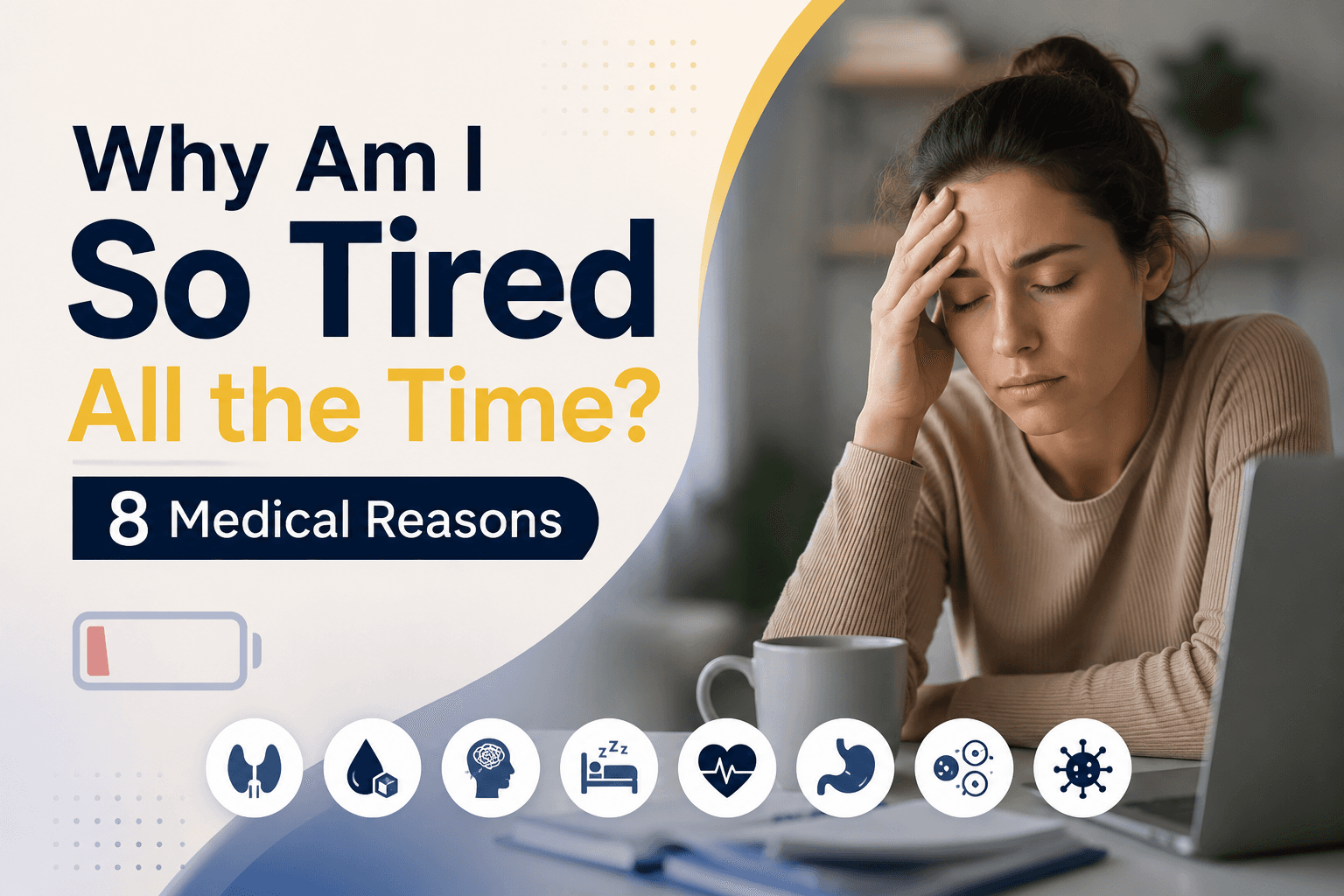
Chronic fatigue is a symptom, not a diagnosis. If you are waking up exhausted after 8 hours of sleep, the problem is not your pillow—it is your biology. In Malaysia, 29.2% of adults report insufficient sleep or feeling tired most days (MOH, 2018). This article examines eight medical reasons for persistent tiredness, with data and guidance specific to Southeast Asia.
Learning to recognize the signs your body needs more sleep can differentiate between simple sleep deprivation and medical fatigue.
Key Takeaways
- Iron deficiency anemia affects 30% of women of reproductive age in Southeast Asia and is a leading cause of fatigue.
- Obstructive sleep apnea is underdiagnosed in Asian populations due to craniofacial anatomy—24% of men and 9% of women are affected.
- Depression causes fatigue in over 90% of cases, yet cultural stigma in Southeast Asia leads to underreporting.
- Simple blood tests at government clinics (e.g., Klinik Kesihatan) can identify most reversible causes of fatigue.
Introduction: The Fatigue Epidemic in Southeast Asia
Clinicians across Malaysia hear the same question every week: “Doktor, saya selalu letih—kenapa?” (Doctor, why the constant tiredness?). Patients have tried sleeping earlier, drinking more coffee, and reducing stress, but the exhaustion persists. The truth is, chronic fatigue is rarely a single problem. It is a signal from your body that something is out of balance—nutritional, hormonal, metabolic, or psychological.
In Southeast Asia, the burden is compounded by dietary patterns low in iron and B12, high rates of undiagnosed diabetes, and a tropical climate that disrupts sleep architecture. Cultural norms often discourage discussing mental health, so depression-related fatigue goes untreated. This article will walk you through eight medical reasons for persistent tiredness, with specific numbers you can use to discuss with your doctor. If you are unsure where to start, EazyCare AI’s symptom checker can help you assess your fatigue pattern.
Iron Deficiency Anemia and Vitamin B12 Deficiency
Iron deficiency is the most common nutritional cause of fatigue worldwide. In Southeast Asia, approximately 30% of women of reproductive age are anemic (WHO, 2023). The reasons are multifactorial: menstrual blood loss, low dietary intake of heme iron (from meat), and high consumption of tea and coffee that inhibit iron absorption. When your body lacks iron, red blood cells cannot carry enough oxygen to your tissues. The result is a constant feeling of heaviness, shortness of breath on exertion, and pale conjunctiva.
Vitamin B12 deficiency is equally insidious. It affects up to 20% of older adults in Southeast Asia (PubMed, 2019), particularly vegetarians and those with gastric issues. B12 is essential for nerve function and red blood cell production. Deficiency causes fatigue, tingling in the hands and feet, and memory problems. Unlike iron deficiency, B12 deficiency can take years to manifest because the liver stores large amounts.
Ferritin is the storage form of iron. A ferritin level below 30 ng/mL can cause fatigue even if hemoglobin is normal. Always ask your doctor for a full iron panel, not just a complete blood count.
Practical takeaway: If you are a woman with heavy periods or a vegetarian, request a serum ferritin and vitamin B12 test at your nearest Klinik Kesihatan. These tests are subsidised by the Malaysian Ministry of Health. Iron supplements should only be taken after confirmation of deficiency—excess iron can damage organs.
Obstructive Sleep Apnea and Poor Sleep Quality
You may be sleeping 8 hours, but if your airway collapses repeatedly during the night, your brain is starved of oxygen. Obstructive sleep apnea (OSA) affects 24% of men and 9% of women in the general population, with higher rates in Asian populations due to craniofacial features such as a narrow maxilla and retrognathia (PubMed, 2020). In Malaysia, the prevalence is likely higher because of rising obesity rates.
For those whose fatigue stems from sleep issues, exploring AI insomnia treatment may offer a modern solution.
For those with sleep apnea, digital therapeutics for chronic insomnia in Southeast Asia offer a new, accessible treatment option.
Sleep apnea increases the risk of hypertension, making understanding blood pressure numbers essential.
Classic symptoms include loud snoring, witnessed pauses in breathing, gasping or choking at night, and excessive daytime sleepiness. Many patients do not realise they have OSA because they are unaware of their nighttime breathing disruptions. Instead, they attribute their fatigue to “not sleeping well” or “stress.”
Another common cause of fatigue is sleep anxiety, where worry keeps you awake at night.
For those with confirmed sleep apnea, evidence-based digital solutions for chronic insomnia can complement CPAP therapy.
Prolonged sitting can worsen sleep apnea by compressing the diaphragm and reducing lung capacity.
Untreated sleep apnea increases the risk of hypertension, stroke, and heart failure. If your partner reports that you stop breathing during sleep, do not ignore it. A home sleep study is now available at many Malaysian sleep clinics for under RM 500.
Practical takeaway: If you are a loud snorer and feel unrefreshed after sleep, ask your doctor for a referral to a sleep specialist. Weight loss, positional therapy, and CPAP machines are effective treatments. EazyCare AI can help you track your symptoms and prepare for a sleep consultation.
Thyroid Dysfunction and Diabetes
Your thyroid gland controls your metabolic rate. When it underperforms (hypothyroidism), every process slows down—including energy production. Hypothyroidism affects 4.6% of the US population, but prevalence in Southeast Asia may be higher due to iodine deficiency (CDC, 2020). In Malaysia, iodine deficiency has been largely corrected by salt iodisation, but autoimmune thyroiditis (Hashimoto’s) remains common, especially in women over 40.
Diabetes is another major cause of fatigue. In Malaysia, 18.3% of adults have type 2 diabetes (NHMS 2019), and many are undiagnosed. High blood sugar causes fatigue through several mechanisms: dehydration from frequent urination, impaired glucose utilisation by cells, and inflammation. Fatigue is often the first symptom that prompts a diagnosis.
For those managing diabetes, connected devices for chronic disease management in Southeast Asia can help track glucose levels and reduce fatigue.
For those with diabetes, AI chronic disease management can help track glucose patterns and reduce fatigue.
Unexplained fatigue can also signal heart problems, so learn about chest pain causes to watch for related symptoms.
Viral infections like the flu or COVID-19 can also cause prolonged fatigue; check this guide on flu vs COVID-19 symptoms in 2025.
"Fatigue in diabetes is not just about high blood sugar. Fluctuations—both highs and lows—can drain energy. A HbA1c test tells you the average over three months."
— Dr. Lim, endocrinologist, Hospital Kuala Lumpur
Practical takeaway: If you have unexplained fatigue plus weight changes, heat/cold intolerance, or excessive thirst, get a thyroid panel (TSH, free T4) and a fasting blood glucose or HbA1c. These are available at any government clinic for a nominal fee.
For those diagnosed with diabetes or thyroid disorders, digital coaching for chronic disease management can help improve energy levels through lifestyle tracking and medication reminders.
Depression and Chronic Stress
Fatigue is a core symptom of depression, occurring in over 90% of cases (WHO, 2022). Yet in Southeast Asia, many patients present with physical complaints—headache, body ache, tiredness—rather than admitting low mood. Cultural stigma around mental illness leads to underdiagnosis. Patients spend years chasing a medical cause for their fatigue when the root is untreated depression.
For those reluctant to seek help, online mental health care in Southeast Asia offers a private and accessible option.
Persistent headaches can also signal underlying issues; learn about headache causes beyond stress.
Chronic stress also depletes energy. When your body is in a prolonged fight-or-flight state, cortisol levels remain high, disrupting sleep, appetite, and immune function. Over time, this can lead to burnout—a state of emotional, physical, and mental exhaustion that mimics medical fatigue.
Depression-related fatigue often has a distinct pattern: worse in the morning, improves slightly as the day goes on, and is accompanied by loss of interest in activities (anhedonia). This is different from the constant fatigue of anemia or sleep apnea.
Practical takeaway: If your fatigue is accompanied by persistent sadness, irritability, or loss of pleasure, consider speaking to a counsellor or psychiatrist. The Malaysian Ministry of Health offers mental health services at Klinik Kesihatan with minimal fees. EazyCare AI can provide a confidential initial assessment.
Myalgic Encephalomyelitis/Chronic Fatigue Syndrome (ME/CFS)
ME/CFS is a complex, debilitating condition characterised by profound fatigue that does not improve with rest and worsens after physical or mental exertion (post-exertional malaise). It affects 0.2–0.4% of the global population, but underdiagnosis is common in Asia (PubMed, 2021). Many patients are dismissed as “lazy” or “anxious.”
Diagnosis requires at least six months of fatigue plus four of the following: impaired memory or concentration, sore throat, tender lymph nodes, muscle pain, multi-joint pain, headaches of a new type, unrefreshing sleep, and post-exertional malaise lasting more than 24 hours. There is no single test; diagnosis is clinical after excluding other causes.
| Factor | ME/CFS | Depression Fatigue |
|---|---|---|
| Post-exertional malaise | Core symptom | Not typical |
| Sleep quality | Unrefreshing despite normal duration | Often insomnia or hypersomnia |
| Mood | Secondary to fatigue | Primary low mood |
| Response to rest | No improvement | May improve temporarily |
Practical takeaway: If you have been tired for more than six months and other tests are normal, ask your doctor about ME/CFS. Pacing—balancing activity with rest—is the cornerstone of management. There is no cure, but symptom control is possible.
Frequently Asked Questions
Why am I always tired even after sleeping?
Sleep quantity does not equal sleep quality. Conditions like sleep apnea, restless legs syndrome, or simply sleeping in a hot, humid room can fragment your sleep cycles. In tropical Southeast Asia, ambient temperature above 26°C reduces slow-wave sleep. If you wake up unrefreshed, consider a sleep study. EazyCare AI's symptom checker can help you assess your sleep quality.
What are the medical reasons for feeling tired all the time?
The most common medical reasons include iron deficiency anemia, vitamin B12 deficiency, hypothyroidism, type 2 diabetes, sleep apnea, depression, chronic stress, and chronic fatigue syndrome. Each has distinct patterns and diagnostic tests. A thorough history and basic blood work can identify most causes.
Can iron deficiency cause extreme tiredness?
Yes. Iron deficiency is one of the most common causes of fatigue, especially in women. When iron stores are low, your body cannot produce enough hemoglobin to carry oxygen. Even without anemia (low hemoglobin), low ferritin can cause fatigue. A simple blood test can confirm. EazyCare AI's symptom checker can help you assess your risk.
Is fatigue a sign of diabetes?
Yes, fatigue is a common early symptom of type 2 diabetes. High blood sugar leads to dehydration, impaired energy metabolism, and inflammation. In Malaysia, 18.3% of adults have diabetes, and many are undiagnosed. If you have fatigue plus frequent urination, thirst, or blurred vision, get a blood sugar test.
How do I know if my fatigue is caused by thyroid problems?
Thyroid fatigue is often accompanied by weight gain, cold intolerance, dry skin, constipation, and a slow heart rate. A blood test measuring TSH and free T4 can diagnose hypothyroidism. In Southeast Asia, iodine deficiency and autoimmune thyroiditis are common causes.
What is chronic fatigue syndrome and how is it diagnosed?
Chronic fatigue syndrome (ME/CFS) is a condition of severe, unexplained fatigue lasting at least six months, with post-exertional malaise, unrefreshing sleep, and cognitive difficulties. Diagnosis is made after excluding other medical and psychiatric causes. There is no specific test; it is a clinical diagnosis.
Can stress and anxiety cause chronic fatigue?
Absolutely. Chronic stress keeps your sympathetic nervous system activated, depleting energy reserves. Anxiety can cause muscle tension, poor sleep, and mental exhaustion. In Southeast Asia, work pressure and family expectations are common stressors. Managing stress through therapy, exercise, and sleep hygiene can significantly improve energy.
Does sleep apnea make you tired all day?
Yes. Obstructive sleep apnea causes repeated drops in blood oxygen during sleep, leading to fragmented sleep and excessive daytime sleepiness. It affects 24% of men and 9% of women, with higher rates in Asian populations. If you snore loudly and feel drowsy during the day, a sleep study is recommended.
What are the early signs of adrenal fatigue?
"Adrenal fatigue" is not a recognised medical diagnosis. The symptoms often attributed to it—fatigue, body aches, low blood pressure—are more likely due to other conditions like hypothyroidism, depression, or sleep apnea. If you suspect adrenal issues, ask your doctor for a cortisol test, but be aware that true adrenal insufficiency is rare.
When should I see a doctor for tiredness?
You should see a doctor if fatigue persists for more than two weeks despite adequate sleep and stress management, or if it is accompanied by unexplained weight loss, fever, shortness of breath, chest pain, or severe muscle weakness. Also seek help if you have a family history of thyroid disease or diabetes. EazyCare AI can help you decide whether you need urgent care.
When to See a Doctor
While occasional tiredness is normal, persistent fatigue warrants medical evaluation. See a doctor promptly if you experience any of the following:
Learn more about the warning signs your body is giving you.
- Fatigue lasting more than 2 weeks without clear cause
- Unexplained weight loss or fever
- Shortness of breath or chest pain
- Severe muscle weakness or difficulty climbing stairs
- Fainting or near-fainting episodes
- Blood in stool or black, tarry stools (sign of gastrointestinal bleeding)
- Thoughts of self-harm or hopelessness
Emergency escalation: Call 999 or go to the nearest emergency department if you have sudden chest pain, difficulty breathing, or severe confusion.
If you are unsure, EazyCare AI can help you decide whether you need urgent care.
Conclusion
Chronic fatigue is not a normal part of life. It is a symptom that deserves investigation. The eight medical reasons covered here—iron deficiency, B12 deficiency, sleep apnea, thyroid disorders, diabetes, depression, chronic stress, and ME/CFS—account for the majority of cases in Southeast Asia. The good news is that most are treatable once identified.
- Get tested. A simple blood panel (full blood count, ferritin, B12, TSH, HbA1c) can rule out the most common causes.
- Evaluate your sleep. If you snore or wake up unrefreshed, consider a sleep study.
- Address mental health. Depression and stress are real medical conditions that respond to treatment.
Do not accept fatigue as your new normal. Learn more at eazycare.ai or chat with our AI health assistant to start your journey toward understanding your energy levels.