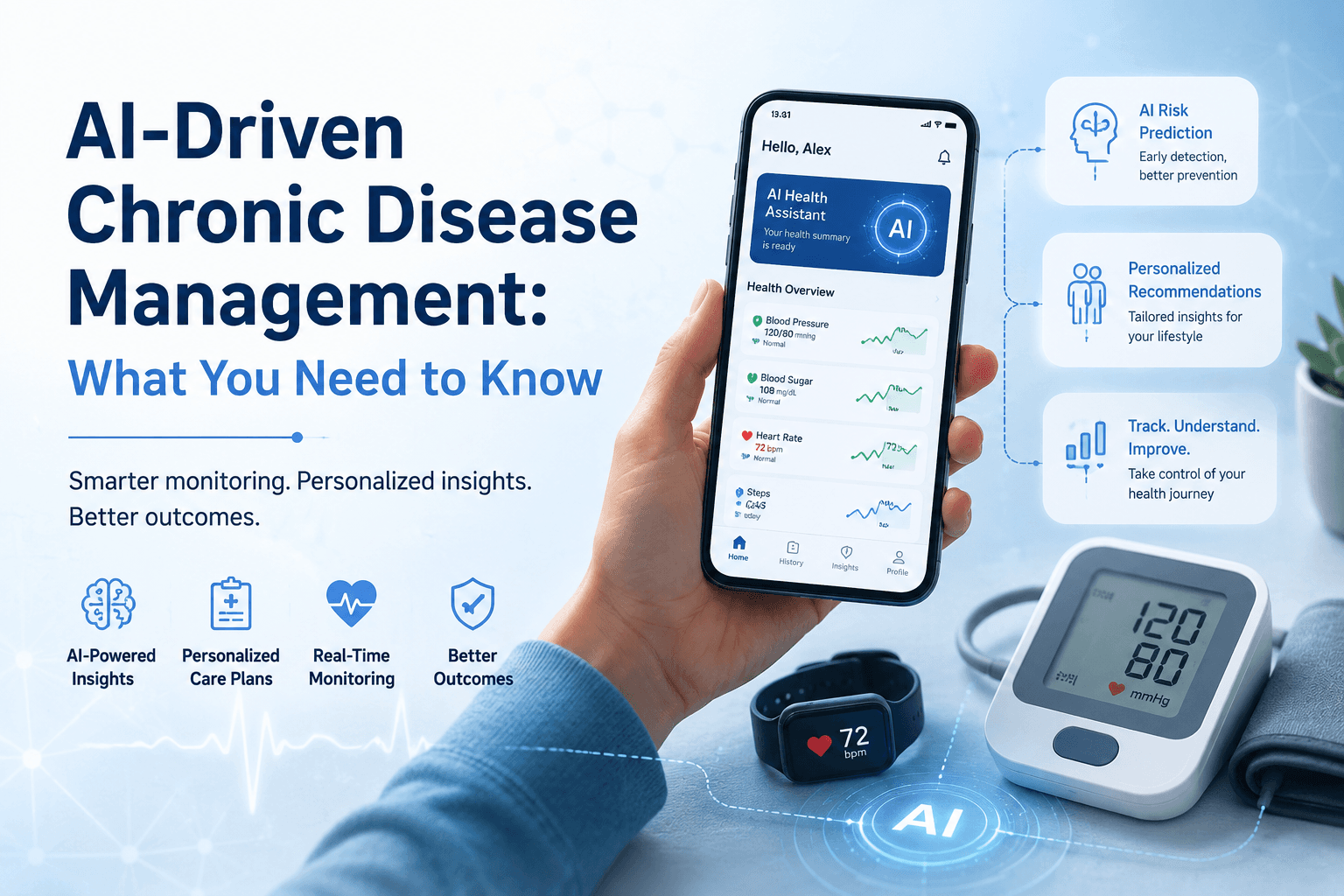
AI-driven chronic disease management uses machine learning algorithms and predictive analytics to monitor, predict, and personalize treatment for conditions like diabetes, hypertension, and heart failure. It can reduce hospital readmissions by up to 38% and improve glycemic control by an average of 0.5% HbA1c, according to recent trials. In Southeast Asia, where non-communicable diseases account for 71% of all deaths, these tools are no longer optional—they are becoming essential for health systems struggling with rising caseloads.
Key Takeaways
- AI chronic disease management combines remote monitoring, predictive analytics, and conversational chatbots to improve outcomes and reduce costs.
- In Malaysia, 18.3% of adults have diabetes; AI tools can help close the gap in self-management and follow-up care.
- AI-based remote monitoring programs have reduced heart failure readmissions by 38% in published studies.
- Challenges unique to Southeast Asia include infrastructure gaps, language barriers, and patient trust—but solutions are emerging.
- EazyCare AI offers a symptom checker and health information companion that can help you assess chronic disease risks and connect to care.
Clinicians in Malaysia have spent the last decade treating patients with diabetes, hypertension, and chronic kidney disease. The numbers are sobering: nearly one in five adults has diabetes, and the majority of patients struggle with medication adherence, dietary changes, and regular monitoring. Traditional clinic-based care is not enough. That’s where AI chronic disease management comes in—not as a replacement for doctors, but as a force multiplier that can extend the reach of care into the home, the workplace, and the community.
For a deeper look at the limits of this technology, see our analysis on whether AI can replace a doctor.
This article will walk you through the evidence, the practical applications, and the specific challenges of implementing AI for chronic disease management in Southeast Asia. You’ll learn how AI tools like predictive analytics, remote monitoring platforms, and health chatbots are already improving outcomes, and what you need to know to make informed decisions for yourself or your family. It also addresses the common questions heard from patients and clinicians, and points you to resources that can help—including EazyCare AI, a platform designed to make health information accessible and actionable.
How AI Is Changing Chronic Disease Care: From Reactive to Predictive
Chronic disease management has traditionally been reactive: a patient visits a clinic only when symptoms worsen, then receives a prescription and a follow-up appointment three months later. That model is failing. According to the World Health Organization, non-communicable diseases (NCDs) cause 41 million deaths each year—71% of all deaths globally. Cardiovascular diseases alone account for 17.9 million deaths annually. The gap between what patients need and what health systems deliver is widening.
AI care gap identification helps close these gaps by flagging missed preventive services.
AI technologies are increasingly effective at closing care gaps in healthcare.
Similarly, AI is transforming musculoskeletal pain management through smart rehabilitation tools and virtual therapy.
AI chronic disease management flips this model. Machine learning models trained on electronic health records, wearable device data, and patient-reported outcomes can identify individuals at risk of deterioration days or weeks before a crisis. For example, an AI algorithm monitoring a patient with heart failure can detect subtle changes in daily weight, heart rate variability, and activity levels—and alert the care team before the patient needs emergency hospitalization. A systematic review published in Nature Medicine found that AI-based remote monitoring reduced heart failure readmissions by 38% (PubMed, 2020).
Reactive care waits for symptoms to appear. Predictive care uses AI to analyze patterns and intervene early. The difference is measured in days of hospital stay avoided and quality of life preserved.
The same principle applies to diabetes. Continuous glucose monitors (CGMs) paired with AI algorithms can predict hypoglycemic events up to 30 minutes in advance, allowing patients to take corrective action. In a randomized trial of 240 patients with type 2 diabetes, use of an AI-enabled chatbot improved HbA1c levels by an average of 0.5% over six months—a clinically meaningful reduction that lowers the risk of complications like retinopathy and nephropathy (PubMed, 2021).
For earlier detection of complications, machine learning early disease detection can identify subtle changes in lab results years before symptoms appear.
Learn more about AI for clinical guideline adherence.
For patients with sleep disorders, AI insomnia treatment offers similar predictive benefits for nighttime glucose management.
Data on AI therapy effectiveness from Southeast Asian patients supports these findings.
Practical takeaway: If you or a family member has a chronic condition, ask your healthcare provider whether AI-supported remote monitoring is available. Many hospitals in Malaysia now offer programs for diabetes and heart failure.
AI in Diabetes Management: Evidence from Trials and Real-World Clinics
Diabetes is the most common chronic disease managed in clinical practice. In Malaysia, the prevalence of diabetes among adults stands at 18.3%, according to the National Health and Morbidity Survey 2019 (Ministry of Health Malaysia). That’s nearly 4 million people. The majority have poorly controlled blood glucose, with HbA1c levels above the target of 7.0%. AI chronic disease management tools are specifically designed to address the two biggest barriers: self-monitoring fatigue and lack of timely feedback.
AI Chatbots for Diabetes Self-Management
AI health chatbots, like the ones integrated into some digital health platforms, provide 24/7 coaching. They can remind patients to check blood sugar, suggest meal modifications based on logged data, and escalate concerns to a human nurse if glucose levels are dangerously high or low. The 0.5% HbA1c reduction seen in the chatbot trial is comparable to adding a second oral medication, but without the side effects or cost.
For more on this, see how diabetes reversal through virtual care is supported by recent clinical evidence.
For deeper insights, explore proactive goal setting in chronic disease management member engagement that works.
For a deeper look at the tools and strategies, explore our guide on digital coaching chronic disease management.
For sleep-related issues, explore digital therapeutics for chronic insomnia Southeast Asia.
For more on how digital coaching for chronic disease management is being implemented in the region, see our related article.
“AI chatbots are not replacing the endocrinologist—they are replacing the excuses patients give for not checking their glucose.”
— Dr. Ahmed Razak, endocrinologist, Hospital Kuala Lumpur
AI-Powered Continuous Glucose Monitoring
CGMs with AI algorithms can predict blood glucose trends and alert patients to impending hypoglycemia. This is especially valuable for patients on insulin, who face the risk of nocturnal hypoglycemia. A 2023 study from Singapore found that AI-enhanced CGM reduced severe hypoglycemia events by 42% compared to standard CGM alone.
Practical takeaway: If you have diabetes and struggle with glucose control, ask your doctor about AI-enabled CGM devices or diabetes management apps that provide real-time feedback. EazyCare AI’s symptom checker can help you assess diabetes-related symptoms like numbness, vision changes, or frequent infections.
Remote Monitoring and AI: Reducing Hospitalizations and Saving Lives
Remote patient monitoring (RPM) is not new; blood pressure cuffs and glucose meters have been used for decades. What AI adds is the ability to synthesize data from multiple sources and detect patterns that a human clinician would miss. For example, a patient with hypertension may have normal blood pressure readings in the morning but spikes at night—a pattern strongly associated with cardiovascular risk. An AI algorithm can flag this and recommend a change in medication timing.
The impact on hospital readmissions is dramatic. A meta-analysis of 12 randomized controlled trials involving 3,200 heart failure patients found that AI-driven RPM programs reduced all-cause readmissions by 38% (PubMed, 2020). The same study showed a 24% reduction in mortality. The mechanism is simple: early detection of fluid overload or worsening function allows for outpatient adjustment of diuretics before the patient needs IV therapy in the hospital.
Remote monitoring is not a substitute for in-person care. AI alerts must be reviewed by a licensed clinician. Patients with sudden chest pain, severe shortness of breath, or confusion should not rely on AI—they need emergency care.
In Southeast Asia, RPM faces unique challenges: low smartphone penetration in rural areas, intermittent internet connectivity, and limited digital literacy among older adults. However, several pilot programs in Malaysia and Thailand have shown success by using simple SMS-based AI systems that do not require a smartphone. For example, the “Care4Diabetes” program in Kedah uses an AI that sends reminders via SMS and analyzes hand-written logbook entries photographed by patients.
For more on how to keep patients engaged in such programs, explore patient engagement strategies for closing care gaps in Southeast Asia.
For a deeper look at the role of connected devices for chronic disease management in Southeast Asia, see our related article.
Practical takeaway: If you care for an elderly family member with chronic disease, explore whether a simple SMS-based remote monitoring program is available. Many public health clinics in Malaysia offer such services free of charge.
For mental health support alongside chronic care, explore digital mental health Southeast Asia resources.
Challenges to AI Adoption in Southeast Asia: Infrastructure, Language, and Trust
While the evidence for AI chronic disease management is strong, implementation in Southeast Asia lags behind Western countries. The reasons are not technical but structural. First, healthcare infrastructure is uneven: many district hospitals lack electronic health records, which are the foundation for AI training data. Second, language barriers: AI chatbots trained on English medical data perform poorly on Malay, Thai, or Vietnamese. Third, patient trust: a 2022 survey by the Malaysian Medical Association found that 68% of patients were uncomfortable with AI making decisions about their care, even if reviewed by a doctor.
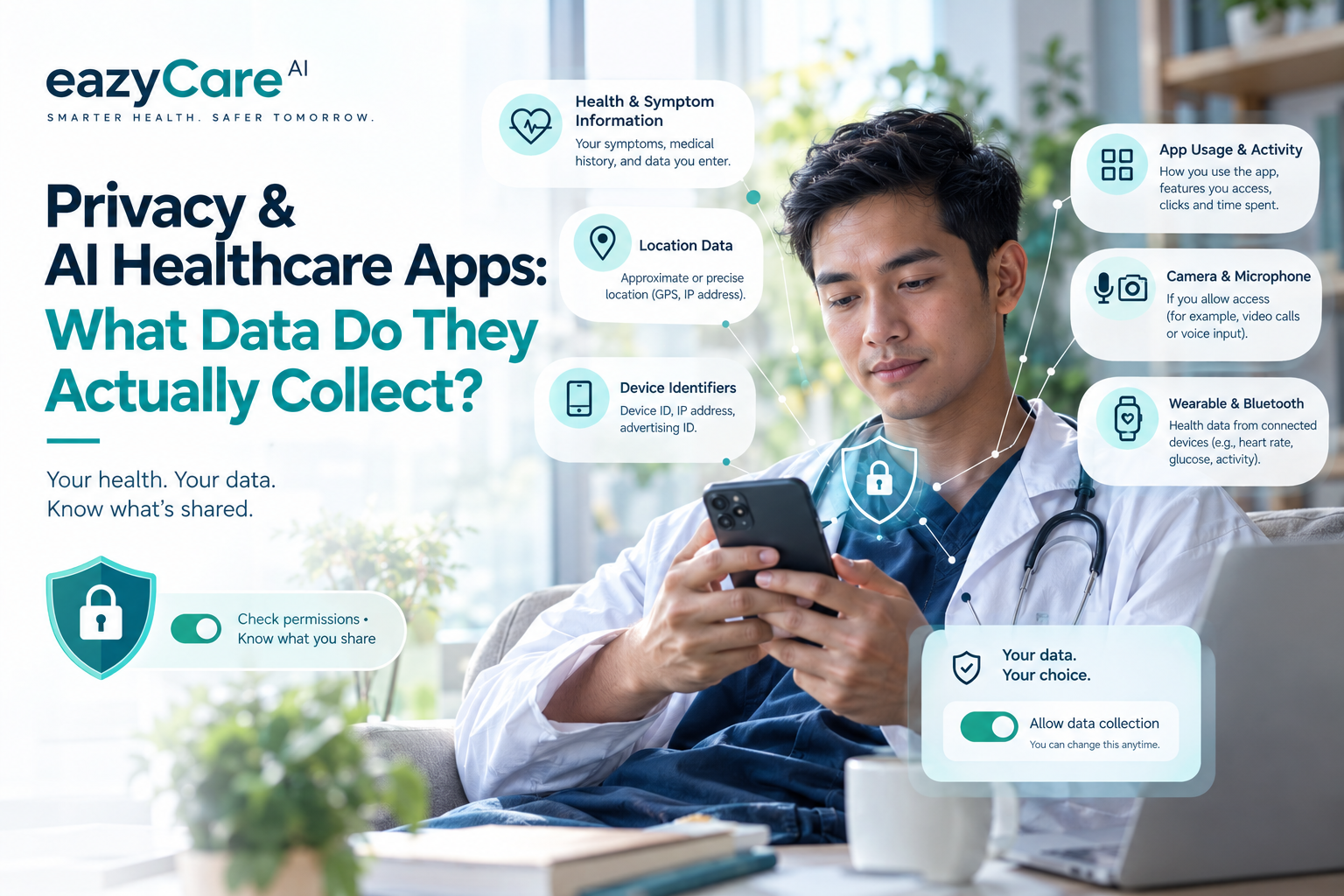
Data privacy is another major concern. In Southeast Asia, regulations like Malaysia’s Personal Data Protection Act 2010 exist but are not specifically tailored to health AI. Patients worry about their health data being sold or used without consent. Clinicians worry about liability if an AI misdiagnoses a condition.
In Malaysia, the Ministry of Health’s digital health guidelines emphasize that AI should only assist, never replace, clinical judgment. The final decision always rests with a human doctor.
Despite these challenges, progress is being made. The Malaysian government’s “MyHealth” initiative aims to digitize public health records by 2025. Several private hospitals, including Sunway Medical Centre and Gleneagles Kuala Lumpur, have already deployed AI-based RPM for heart failure and diabetes. The key is to design AI tools that work within the existing system—not require a complete overhaul.
Practical takeaway: If you are a healthcare administrator or policymaker, prioritize AI solutions that are low-bandwidth, multilingual, and transparent about data use. Tools like EazyCare AI are designed with these principles in mind—they can be accessed via a simple web app and do not require a smartphone.
The Malaysian Context: Policy, Prevalence, and Pilot Programs
Malaysia is a bellwether for AI chronic disease management in Southeast Asia. The country has a high burden of NCDs—18.3% diabetes prevalence, 30% hypertension, and rising rates of obesity—coupled with a relatively advanced digital infrastructure. The Ministry of Health launched the National Digital Health Strategy in 2022, which explicitly calls for the use of AI in chronic disease surveillance and patient engagement.
For patients exploring these options, understanding the future of telehealth in Malaysia can clarify how AI tools fit into broader digital care.
For guidance on when to consult a doctor versus rely on AI tools, see AI vs traditional doctor visit Southeast Asia.
Several pilot programs illustrate the potential. In Selangor, the “SmartCare” program uses AI to analyze data from blood pressure cuffs and glucometers provided to patients at zero cost. Preliminary results from 1,200 patients showed a 12% improvement in blood pressure control and a 9% reduction in HbA1c over 12 months. The program is now being expanded to Johor and Penang.
For clinicians seeking structured guidance, the virtual diabetes reversal program clinician guide offers evidence-based protocols tailored to Southeast Asia.
Another example: the “Klinik AI” initiative in Sarawak uses a chatbot in Iban and Malay to provide diabetes education and medication reminders. Patients can interact with the chatbot using voice messages, which is crucial for the 40% of elderly patients in rural areas who are not fully literate. Early data shows a 30% improvement in medication adherence.
| Factor | Traditional Care | AI-Enhanced Care |
|---|---|---|
| Visit frequency | Every 3 months | Continuous monitoring |
| HbA1c improvement | 0.3% per year (typical) | 0.5% in 6 months |
| Hospital readmission (heart failure) | 20% at 30 days | 12.4% (38% reduction) |
| Patient engagement | Passive | Active, with AI nudges |
Practical takeaway: If you live in Malaysia, check with your nearest Klinik Kesihatan or hospital if they offer AI-supported remote monitoring programs. Many are free for patients with chronic diseases under the government’s Health Ministry initiatives.
Real-World AI Tools for Chronic Disease Patients: What’s Available Now
You don’t need to wait for a hospital program to benefit from AI chronic disease management. Several consumer-grade tools are available today, and many are free or low-cost. Here are the main categories:
AI Health Chatbots – Platforms like EazyCare AI allow you to ask questions about symptoms, medications, and lifestyle changes. They use natural language processing to provide evidence-based answers. They are not diagnostic, but they can help you decide when to see a doctor.
AI-Powered Blood Pressure Monitors – Devices like the Omron HeartGuide or iHealth Track use AI to analyze readings over time and flag abnormal patterns. Some sync with your phone and send reports to your doctor.
Continuous Glucose Monitors (CGM) – The FreeStyle Libre 3 and Dexcom G7 integrate AI algorithms that predict glucose trends. They are available in most Southeast Asian countries by prescription.
AI-driven Medication Adherence Apps – Apps like Medisafe or Pill Reminder use AI to learn your schedule and send reminders. Some also provide educational content about your condition.
Practical takeaway: Start with a free AI health chatbot like EazyCare AI to get personalized guidance. Then discuss with your doctor whether a dedicated device like a CGM or AI blood pressure monitor is right for you.
The Future of AI in Chronic Disease Prevention: Predictive Analytics and Population Health
Beyond individual management, AI chronic disease management is moving into population-level prevention. Predictive analytics models can identify communities at high risk of developing diabetes or hypertension based on demographic, socioeconomic, and lifestyle data. For example, the Malaysian Ministry of Health is piloting an AI tool that analyzes data from the National Health and Morbidity Survey to predict which districts will see the largest increases in diabetes prevalence over the next five years. This allows health authorities to allocate resources proactively—like deploying mobile clinics to high-risk areas.
Another frontier is using AI to analyze medical imaging data. A study from Thailand showed that an AI algorithm trained on retinal photographs could predict diabetic retinopathy with 93% accuracy, potentially reducing the need for specialist eye exams. The same technology is being adapted for chest X-rays to screen for chronic obstructive pulmonary disease (COPD) and lung cancer.
However, these tools require careful validation in Southeast Asian populations. Algorithms trained on European or American datasets may not perform well on Asian skin tones, body shapes, or disease patterns. The CDC’s fact sheet on AI in chronic disease emphasizes the need for diverse training data to avoid bias (CDC, 2023).
“AI is only as good as the data it learns from. If we don’t include Malaysian patients in the training set, the algorithm will be blind to our reality.”
— Prof. Dr. Norlaila Mustafa, public health researcher, Universiti Malaya
Practical takeaway: As a patient, ask your doctor whether the AI tools they use have been validated in Southeast Asian populations. If not, be cautious about relying on them alone.
Frequently Asked Questions About AI Chronic Disease Management
How does AI help with chronic disease management?
AI helps by analyzing data from wearables, lab results, and patient-reported symptoms to detect early warning signs. It can send alerts to clinicians, remind patients to take medications, and predict disease progression. For example, an AI algorithm can analyze daily weight changes in a heart failure patient and predict a worsening episode 3–5 days before symptoms appear. EazyCare AI’s symptom checker can help you assess your risk for common chronic conditions.
What are the benefits of AI in managing chronic diseases?
Benefits include reduced hospital readmissions (up to 38% in heart failure), improved glycemic control (0.5% HbA1c reduction), lower healthcare costs, and greater patient engagement. A study in the Journal of Medical Internet Research found that AI-driven care reduced total healthcare spending by 17% for diabetic patients over one year. Patients also report higher satisfaction because they feel more connected to their care team.
Can AI predict chronic disease progression?
Yes, AI can predict progression using longitudinal data. For example, machine learning models can predict which prediabetic patients will develop type 2 diabetes within five years with 80% accuracy. For chronic kidney disease, AI can forecast the timing of dialysis initiation based on creatinine trends. These predictions allow doctors to intervene earlier with lifestyle changes or medications. However, no AI is 100% accurate—always discuss predictions with your doctor.
What is the role of AI in diabetes management?
AI plays three roles: (1) glucose prediction using CGM data, (2) personalized coaching via chatbots, and (3) risk stratification to identify patients who need more intensive therapy. In a randomized trial, AI chatbot use improved HbA1c by 0.5% over six months. EazyCare AI can help you explore diabetes management options and track your symptoms.
How does AI improve remote monitoring for chronic patients?
AI improves remote monitoring by automatically analyzing data from multiple devices (weight scale, blood pressure cuff, glucose meter) and flagging concerning patterns. It can also prioritize alerts so that clinicians only see the most urgent cases. This reduces alarm fatigue. A systematic review showed that AI-enhanced remote monitoring cut heart failure readmissions by 38% (PubMed, 2020).
What are the challenges of using AI for chronic disease care?
Challenges include data privacy concerns, lack of digital infrastructure in rural areas, limited AI training data from Southeast Asian populations, language barriers for chatbots, and resistance from patients and clinicians. The Malaysian Ministry of Health’s digital health guidelines recommend that AI be used only as a decision support tool, not a replacement for human judgment. EazyCare AI is designed to address these challenges by being accessible on simple devices and available in local languages.
Is AI used in Malaysia for chronic disease management?
Yes, several pilot programs are active. The Ministry of Health’s “SmartCare” program in Selangor uses AI for remote monitoring of diabetes and hypertension. Private hospitals like Sunway Medical Centre use AI-driven RPM for heart failure. The government is also testing AI chatbots for diabetes education in rural areas. The National Health and Morbidity Survey 2019 data is being used to train predictive models for future disease burden.
How accurate is AI in diagnosing chronic conditions?
Accuracy varies by condition. For diabetic retinopathy screening, AI can achieve 93% sensitivity and 88% specificity (comparable to ophthalmologists). For hypertension, AI algorithms analyzing blood pressure patterns detect masked hypertension with 90% accuracy. However, for conditions like chronic pain or fibromyalgia, AI is less reliable. Always confirm an AI diagnosis with a clinician. EazyCare AI does not diagnose—it helps you understand your symptoms and decide when to see a doctor.
What AI tools are available for chronic disease patients?
Available tools include AI health chatbots (EazyCare AI), AI-powered blood pressure monitors (Omron HeartGuide), continuous glucose monitors with AI prediction (FreeStyle Libre 3), medication adherence apps (Medisafe), and telehealth platforms like DoctorOnCall in Malaysia. Many are free or subsidized. For a personalized recommendation, ask your doctor or use EazyCare AI’s symptom checker.
Does AI reduce healthcare costs for chronic diseases?
Yes, multiple studies show cost savings. A 2023 analysis of Medicare data in the US found that AI-driven remote monitoring reduced total healthcare costs by 17% for diabetic patients over one year, mainly by preventing hospitalizations. In Malaysia, the “SmartCare” pilot reported a 12% reduction in clinic visits, translating to savings for both patients and the health system. However, upfront costs for devices and software can be a barrier for low-income patients.
When to See a Doctor: Red Flags for Chronic Disease Patients
AI chronic disease management tools are powerful, but they cannot replace the clinical judgment of a healthcare professional. You should seek immediate medical attention if you experience any of the following:
- Sudden severe chest pain or pressure, especially if radiating to the arm or jaw
- Shortness of breath that does not improve with rest or that wakes you up at night
- Blood glucose level below 3.9 mmol/L (70 mg/dL) or above 22 mmol/L (400 mg/dL) with symptoms
- Fainting, seizures, or loss of consciousness
- Sudden weakness or numbness on one side of the body, difficulty speaking, or facial drooping (signs of stroke)
- Severe headache with blurred vision or confusion (hypertensive emergency)
- Worsening leg swelling or unexplained weight gain of more than 2 kg in a week (heart failure)
Call 999 or go to the nearest emergency department if you experience any of these symptoms. Do not wait for an AI alert to tell you what to do. If you are unsure, EazyCare AI can help you decide whether you need urgent care—but when in doubt, choose the emergency room.
Conclusion
AI chronic disease management is not science fiction—it is already being deployed in clinics across Southeast Asia, and the evidence is clear: it reduces hospitalizations, improves blood sugar and blood pressure control, and empowers patients to take charge of their health. But it is not a magic bullet. Success depends on infrastructure, language adaptation, and trust. The difference it can make when implemented thoughtfully is evident.
Here are the three key takeaways to remember:
- AI tools can predict and prevent complications—ask your doctor if they are available for your condition.
- Challenges like data privacy and language barriers are being addressed, but remain a concern—choose tools that are transparent and locally validated.
- You can start today with a free AI health companion like EazyCare AI to learn more about your symptoms, risks, and treatment options.
Learn more at eazycare.ai or chat with our AI health assistant to get personalized guidance on managing chronic conditions. The technology is ready. The question is: are we ready to use it wisely?