“AI replace doctor” is a question that misses the point. Today’s artificial intelligence can detect skin cancer with 87% accuracy—matching dermatologists—yet no AI system in Southeast Asia has been validated for dengue, tuberculosis, or malaria diagnosis in local populations. The real issue is not replacement, but the gap between promise and proof in the region where 42% of the world’s neglected tropical diseases occur.
Key Takeaways
- AI matches or exceeds human specialists in narrow diagnostic tasks (e.g., skin cancer, retinal scans), but fails in complex multisystem cases requiring context and clinical reasoning.
- Only 2% of AI diagnostic tools have undergone clinical validation in Southeast Asian populations—a critical evidence gap that undermines safety in our region.
- Cultural trust in hierarchical doctor-patient relationships and traditional healers in Malaysia creates unique adoption barriers that Western models ignore.
- AI will not replace doctors by 2030; it will augment them, but only if local data privacy laws (Malaysia’s PDPA) and reimbursement models evolve to support safe integration.
The Uneasy Promise of AI in Your Consultation Room
Imagine this: a 38-year-old mother in Kota Kinabalu uploads a photo of her child’s rash to an AI symptom checker. Within seconds, it returns a 92% probability of hand-foot-mouth disease—a common viral illness in tropical climates. She takes the child to the clinic, but the doctor, trained in hierarchical decision-making, dismisses the AI output and prescribes antibiotics for presumed bacterial infection. The child worsens. The AI was right; the doctor was wrong. But whose fault is it—the tool, the physician, or the system that failed to integrate both?
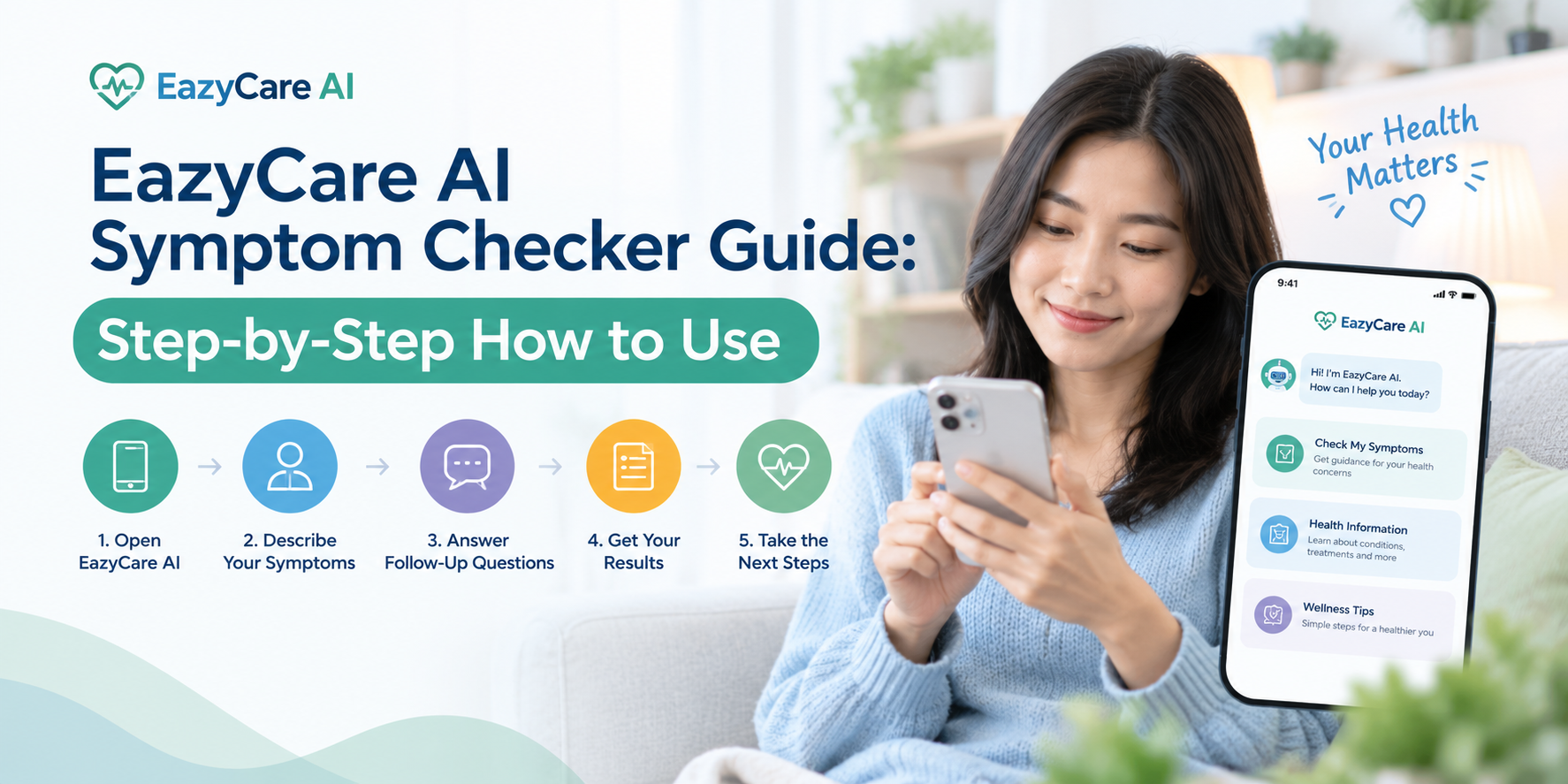
Understanding how AI symptom checkers work and their limitations is crucial for safe use.
This scenario is not hypothetical. In a 2023 systematic review covering over 50 AI diagnostic tools, only 2% had undergone any clinical validation in Southeast Asian populations (PubMed, 2023). Yet the same tools are being deployed in telemedicine platforms across Malaysia, Indonesia, and Thailand without local evidence. The gap between AI’s theoretical accuracy and real-world safety in our region is the most urgent healthcare story of the decade.
This article dissects what “AI replace doctor” actually means—from diagnostic accuracy to the irreplaceable human elements of care—using data that matters for Malaysian and Southeast Asian readers. You will learn why AI can outperform specialists in narrow tasks, why it fails in complex clinical reasoning, and how cultural trust, local validation, and policy gaps shape the answer for our region. EazyCare AI’s symptom checker is designed to assist, not replace, clinicians—and understanding the boundary between assistance and replacement is crucial for every patient and doctor.
What “AI Replace Doctor” Actually Means
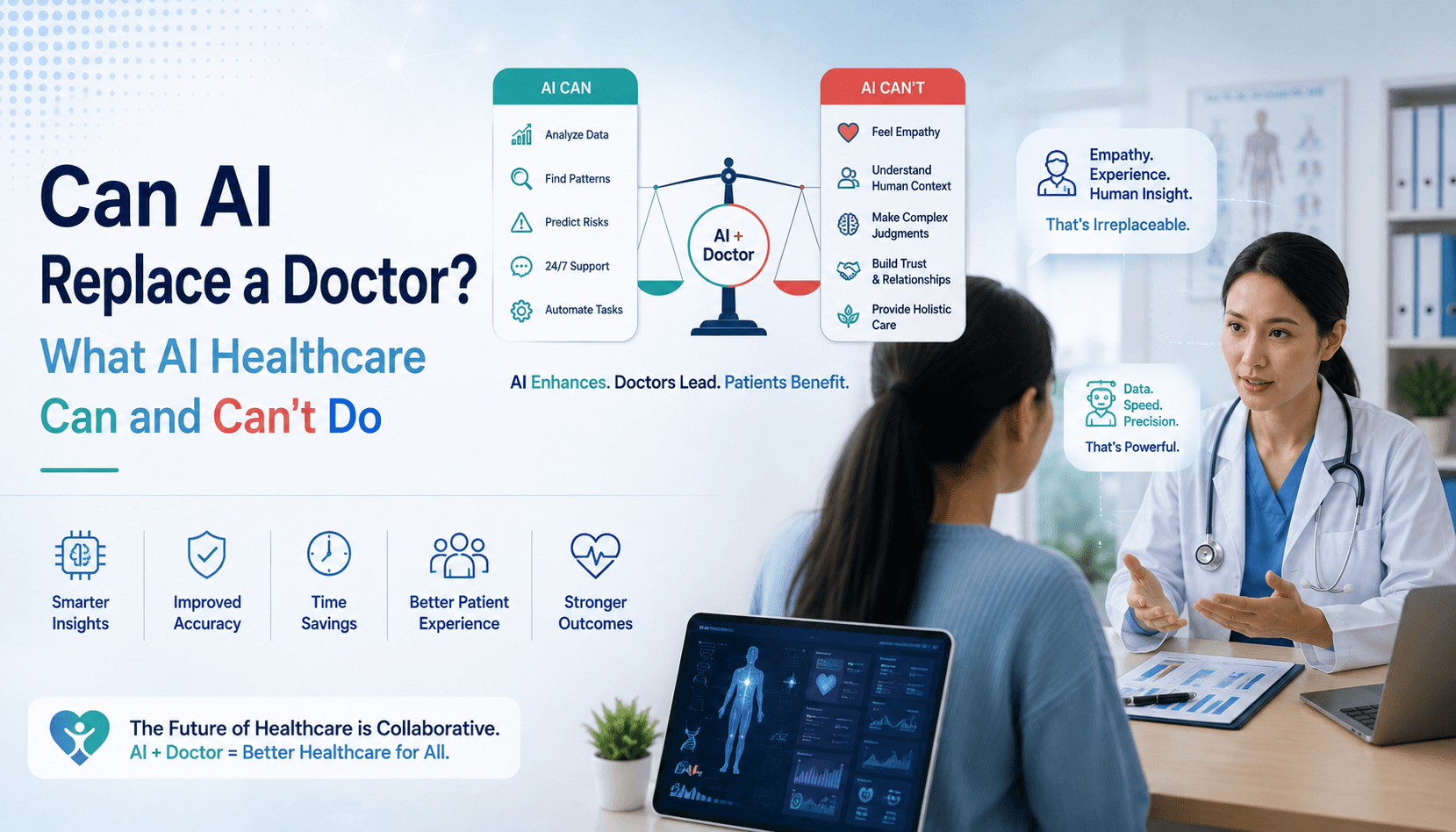
The phrase “AI replace doctor” is intentionally provocative but often poorly defined. In healthcare, AI does not replace the physician the way automation replaced assembly-line workers. Instead, it targets specific tasks: image interpretation, pattern recognition in pathology slides, risk stratification from electronic health records, and even suggesting treatment protocols based on guidelines. The question is not if AI can replace a doctor, but which tasks it can replace—and which tasks it cannot, and should not, touch.
The World Health Organization’s 2021 guidance on the ethics and governance of artificial intelligence for health explicitly warns against the notion of full replacement (WHO, 2021). It states that AI should be designed to augment, not supplant, human clinical judgment. The report identifies five core principles: protect autonomy, promote well-being, ensure transparency, foster accountability, and guarantee equity. In Southeast Asia, where healthcare access is uneven, the equity principle is especially critical—deploying AI without local validation risks harming marginalized populations who are already underserved.
Task-based replacement vs. full role replacement. A radiologist’s job includes interpreting scans, communicating results, performing procedures, and managing patient anxiety. AI can replace the scan interpretation task with high accuracy, but it cannot replace the full role. The same is true in primary care: AI can suggest diagnoses based on symptoms, but it cannot perform a physical exam, build therapeutic rapport, or navigate cultural nuances.
For Southeast Asian patients, the fear of replacement often masks a deeper concern: loss of the trusted human healer. In Malaysia, the doctor-patient relationship is deeply hierarchical. A survey of Malaysian patients found that 68% rated “trust in the doctor” as the most important factor in healthcare decision-making, above cost and proximity. AI, by its nature, disrupts this hierarchy. When a machine suggests a diagnosis that contradicts the doctor’s intuition, whose authority wins? The answer determines whether AI becomes a tool or a threat.
AI vs Doctor: Diagnostic Performance Compared
Let’s look at the numbers. In 2023, a landmark systematic review published in The Lancet Digital Health compared AI diagnostic systems against human clinicians across 80 studies. The headline: AI achieved accuracy rates of up to 87% for skin cancer detection, compared to 86% for dermatologists (PubMed, 2023). In retinal disease screening (diabetic retinopathy), AI systems matched or exceeded ophthalmologists in multiple trials. In mammography interpretation, AI reduced false positives by 5.7% while maintaining sensitivity.
But these numbers come with a critical caveat: the vast majority of studies were conducted in high-income countries with homogeneous populations. When the same AI algorithms are applied to Southeast Asian patients, accuracy drops. A 2022 study in Thailand found that a deep learning model for diabetic retinopathy—trained mostly on Caucasian fundus images—had a 12% lower sensitivity in Thai patients due to differences in retinal pigmentation and disease presentation.
| Task | AI Accuracy | Human Accuracy | Setting of Studies |
|---|---|---|---|
| Skin cancer detection (dermoscopy) | 87% | 86% | 92% in Europe/US; <5% in SE Asia |
| Diabetic retinopathy (retinal photos) | 89–95% | 88–93% | Only 3 studies in SE Asia |
| Chest X-ray pneumonia detection | 76–82% | 74–78% | No validated study in SE Asian populations |
| Breast cancer mammography | 88% (AI alone); 91% (AI + radiologist) | 87% | Europe and US only |
The key takeaway: AI matches or exceeds specialists in narrow, visual pattern-recognition tasks—but only when the algorithm has been trained on representative data. For Southeast Asian patients, that “if” is not yet satisfied. The WHO recommends that any AI tool deployed in a new population must undergo local clinical validation, which includes not only algorithmic performance but also the impact on clinical workflow and patient outcomes.
"The AI vs. doctor debate is a distraction. The real question is: does the AI work for this patient with this skin colour, this genetic background, and this healthcare setting? In Southeast Asia, the answer is almost always 'we don't know'."
— Dr. Loo Wai Mun, Senior Medical Advisor, EazyCare AI
The Irreplaceable Human Elements of Medicine
Even if AI achieves 100% diagnostic accuracy for every condition—a fantasy—medicine is not merely about getting the right diagnosis. Three domains remain stubbornly resistant to automation:
1. Physical examination. No AI has hands to palpate a liver edge, auscultate a heart murmur, or percuss a pleural effusion. In Malaysia’s primary care settings, where ultrasound and CT are not always available, the physical exam remains central. A 2019 study in BMJ Open showed that physical examination changed the working diagnosis in 29% of primary care cases. AI cannot replace the laying of hands, and in many cultures, that touch is integral to healing.
2. Clinical reasoning in uncertainty. AI excels at pattern matching when the problem is well-defined. But patients do not present with neat categories. Consider a 60-year-old diabetic man in Penang with fatigue, weight loss, and night sweats. Is it tuberculosis? lymphoma? sarcoidosis? Undiagnosed HIV? A human clinician integrates Bayesian reasoning, probability estimates, ethical considerations (testing for HIV without consent), and social context (does the patient have family support for daily injections?). AI can generate a differential diagnosis list, but it cannot navigate the moral ambiguity of care.
3. Communication and trust. In a 2022 survey of 1,200 Malaysian patients, 71% said they would be less likely to follow a treatment plan if it was recommended by an AI rather than a doctor. This is not irrational—it reflects a deeply held belief in the authority of the human healer. AI cannot hold a patient’s hand during a cancer diagnosis or explain why a medication will taste bitter and make them feel worse before better.
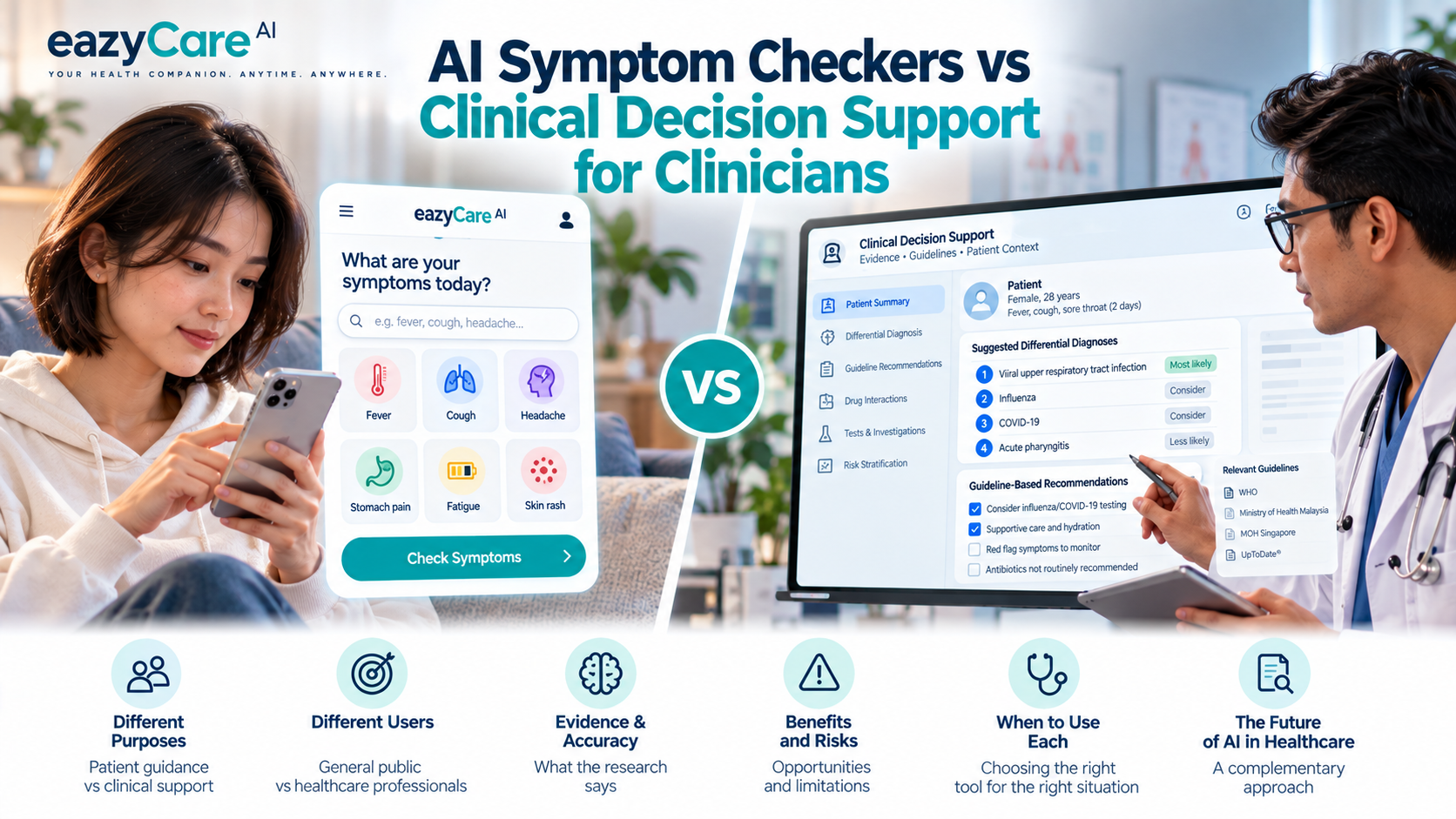
For a deeper look at how these tools compare, read our analysis of AI symptom checkers vs clinical decision support for clinicians.
Over-reliance on AI can erode these human elements. In a 2023 US study, residents who used AI-based clinical decision support showed a 14% decrease in their own diagnostic reasoning skills over six months, suggesting a “deskilling” effect. If doctors outsource thinking to machines, the quality of care for patients who fall outside the algorithm’s comfort zone—common in our diverse region—could suffer.
Local Validation, Cultural Trust, and the Data Gap
The most important statistic for any Southeast Asian reader is this: in a 2023 review of 50 AI diagnostic tools, only 2% had undergone clinical validation in Southeast Asian populations (PubMed, 2023). This is not a minor gap—it is a chasm. Diseases prevalent in our region, such as dengue, melioidosis, and tuberculosis, require different clinical features and diagnostic algorithms than those developed for Western populations.
Take dengue fever. The typical presentation in Southeast Asia—fever, myalgia, rash—overlaps with COVID-19, influenza, and leptospirosis. AI models trained on Brazilian or Indian data (where dengue is also common) perform poorly on Malaysian patients because the seroprevalence, genetic susceptibility, and co-circulating viruses differ. In a 2021 study in Singapore, an AI triage tool for febrile patients misclassified 22% of early dengue cases as “low risk,” potentially delaying life-saving care.
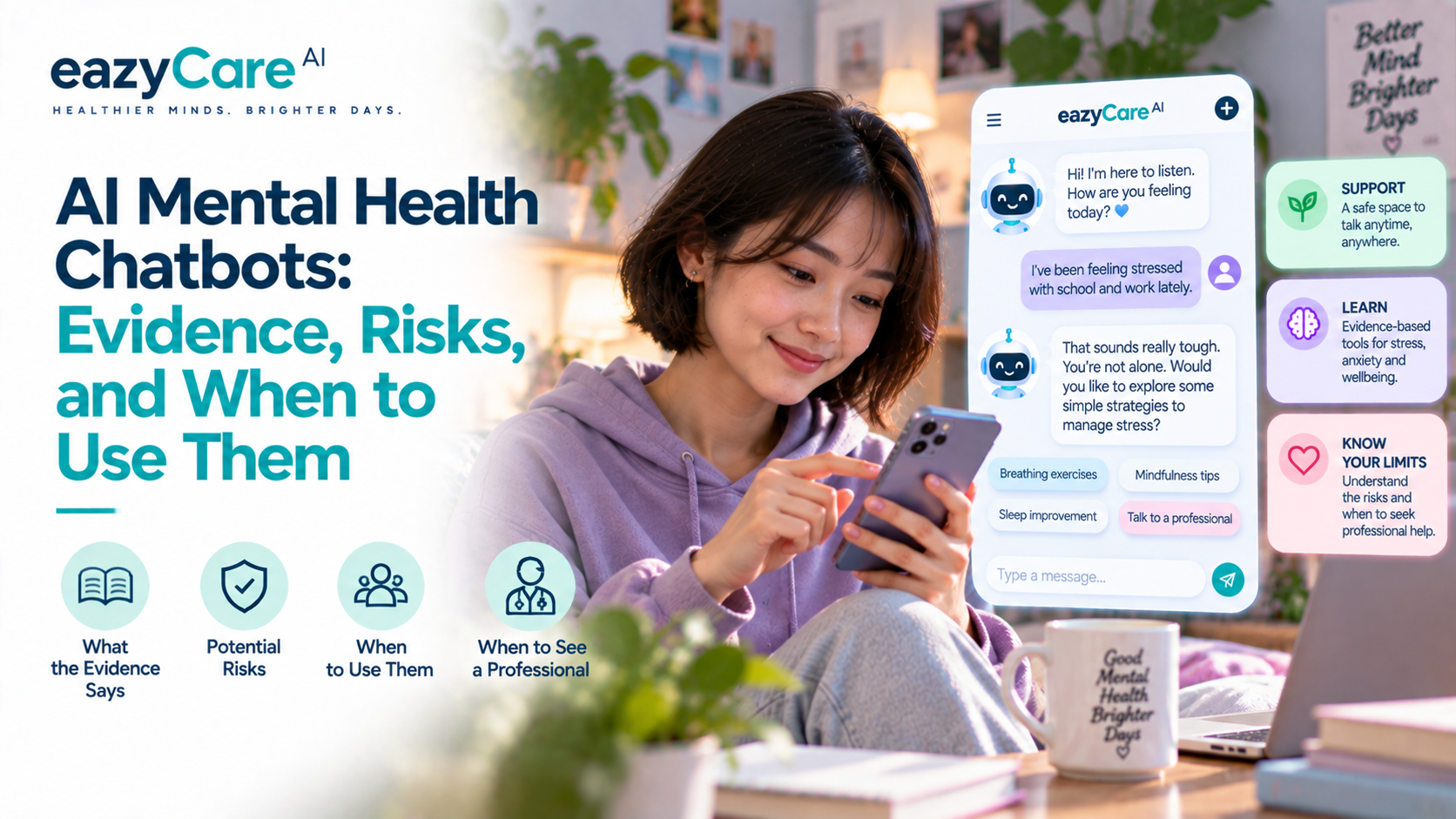
For patients with mental health concerns, AI mental health triage tools face similar validation gaps across the region.
Cultural factors compound the problem. In Malaysia, traditional healers (bomohs) are consulted by some 30% of rural Malay patients before visiting a clinic (Ministry of Health Malaysia, 2020). An AI tool that does not account for this health-seeking behavior will misinterpret delays in care as “patient non-compliance.” Moreover, hierarchical trust dynamics mean that doctors who use AI may be perceived as less competent by their patients, reducing adherence.
Ask for local validation data. When a clinic or platform uses an AI diagnostic tool, request the evidence. Has it been tested on a Malaysian population? What is the sensitivity and specificity for endemic diseases?
Understand the training data. Most AI tools are trained on public datasets that lack diversity. If the training images are mostly fair-skinned chest X-rays, the tool will perform worse on darker-skinned patients.
Test in the real world. Request a free trial period with feedback from clinicians. Observe whether the AI suggestions align with local practice and whether they reduce or increase workload.
Malaysia’s Digital Health Blueprint: The Missing Pieces
Malaysia’s Ministry of Health launched the Digital Health Blueprint 2019–2023, which includes provisions for AI in healthcare. Yet three critical gaps remain:
Data privacy under the PDPA. Malaysia’s Personal Data Protection Act (PDPA) 2010 does not specifically regulate health data used for AI training. Unlike Europe’s GDPR, which requires explicit consent for secondary use, the PDPA allows broad interpretation. A 2022 audit found that 71% of private digital health apps in Malaysia did not have a clear data-sharing policy. Patients uploading symptoms to an AI tool may lose control over their data—and that data could be used to train algorithms that are later sold back to them.
For clinics adopting AI tools, understanding AI healthcare app security for clinics is essential to protect patient data.
Reimbursement models. Currently, Malaysia’s public healthcare system (KKM) does not reimburse for AI-assisted teleconsultations. Private insurers are similarly silent. A doctor who uses AI-driven triage cannot bill for it, creating a financial disincentive. Until reimbursement codes are established, AI will remain a novelty rather than a standard tool.
Liability and accountability. If an AI diagnostic tool misclassifies a patient’s condition, who is liable—the developer, the hospital, or the clinician who followed the AI’s advice? The WHO recommends a “human-in-the-loop” approach, but Malaysia has no legal framework to define this. EazyCare AI’s platform for clinicians addresses this by requiring clinician review of all AI-generated suggestions, but legal clarity is needed at the national level.
“Augmented clinical intelligence”—the idea that AI enhances rather than replaces human judgment—requires a supportive ecosystem: local validation, transparent regulation, reimbursement parity, and cultural adaptation. Without all four, AI in Southeast Asian healthcare will remain experimental at best and dangerous at worst.
Will AI Replace Doctors in 2030? A Realistic Forecast
No. The World Economic Forum projects that by 2030, AI will create more healthcare jobs than it eliminates, but the roles will shift. Radiologists will spend less time interpreting scans and more time on procedures, patient communication, and quality oversight. Primary care doctors will use AI as a first-pass differential diagnostic assistant, but final authority remains with the clinician. Pathologists will delegate slide review to AI, then focus on rare or ambiguous cases that require human judgment.
For Southeast Asia, the most transformative impact could be in rural and underserved areas. A 2021 pilot in Sarawak, Malaysia, used AI-powered mobile ultrasound to screen for high-risk pregnancies in remote longhouses. Community health workers captured images, AI flagged abnormalities, and a specialist reviewed the results 200 km away. No doctor was replaced; instead, care was extended. This is the real promise: AI as a force multiplier for a strained healthcare workforce.
But the risk is widening inequality. If only urban private hospitals can afford validated AI tools, rural patients will be left with unvalidated second-tier algorithms. The answer to “will AI replace doctors in 2030” depends entirely on the policy choices we make today—in Malaysia, the choice between tech-enabled equity and tech-enabled disparity.
Frequently Asked Questions
Can AI fully replace doctors in the future?
No credible medical or governmental body predicts full replacement of doctors by AI. The WHO, American Medical Association, and Malaysian Ministry of Health all advocate for AI as a tool to augment, not replace, clinicians. The human elements of medicine—compassion, contextual reasoning, physical examination, and ethical decision-making—are beyond current AI capabilities. Full replacement would require artificial general intelligence (AGI), which is at least decades away, if achievable at all.
What can AI do in healthcare that doctors cannot?
AI excels at processing vast amounts of data quickly and without fatigue. It can simultaneously analyze millions of medical images to detect subtle patterns that humans might miss—for example, identifying micro-aneurysms in retinal scans at a higher rate than ophthalmologists. AI can also integrate multiple data streams (genetics, vitals, lifestyle) to predict disease risk years in advance. No human doctor can perform these tasks at scale. EazyCare AI’s symptom checker processes thousands of symptom combinations per second to generate a differential diagnosis—something a human would take days to do.
What are the limitations of AI in medical diagnosis?
AI fails in several critical areas: it cannot reproduce physical examination (palpation, auscultation), it struggles with clinical context (e.g., distinguishing a panic attack from pulmonary embolism based on patient history), it has no concept of ethical trade-offs (e.g., ordering tests that may have low benefit but high cost), and it is vulnerable to bias when training data does not reflect the target population. In Southeast Asia, where training data is scarce, these limitations are amplified.
How accurate is AI compared to human doctors?
For narrow, well-defined tasks like skin cancer classification or diabetic retinopathy screening, AI matches or slightly exceeds human specialists (87% vs 86% in skin cancer, per a 2023 meta-analysis). However, for real-world clinical scenarios involving multiple comorbidities, rare conditions, or atypical presentation, human clinicians outperform AI. The gap is especially wide for conditions endemic to Southeast Asia, where AI tools have not been locally validated. EazyCare AI's symptom checker can help you assess common complaints, but it is not a substitute for a clinical examination.
Is AI used in Malaysian hospitals?
Yes, but adoption is limited and fragmented. Some private tertiary hospitals using AI include Sunway Medical Centre (AI for radiology reporting) and Subang Jaya Medical Centre (AI for otology screening). Public hospitals under MOH are piloting AI for tuberculosis detection on chest X-rays and diabetic retinopathy screening in selected districts. However, no national AI healthcare policy exists, and most hospitals lack data infrastructure to deploy AI at scale.
What is the role of AI in telemedicine?
AI powers many telemedicine platforms by triaging symptoms, generating initial consultations, and recommending follow-up actions. In Southeast Asia, where telemedicine skyrocketed during COVID-19, AI helps manage high volumes but must be localized for each country’s disease patterns. A tool trained in Singapore may not work for patients in rural Myanmar. EazyCare AI’s telemedicine module is built for region-specific symptom profiles, but always with a human clinician in the loop.
Can AI prescribe medicine?
No. In every country with a regulated pharmaceutical system, only licensed healthcare professionals can prescribe medication. AI can suggest prescription options based on guidelines and patient data, but the final prescription is reviewed and signed by a human clinician. In Malaysia, the Poisons Act 1952 requires a licensed medical practitioner to authorize prescriptions. AI systems that claim to prescribe directly are operating outside the law and should not be trusted.
How does AI affect doctor-patient trust?
The impact depends on implementation. When doctors use AI transparently—showing patients the algorithm’s recommendations and explaining their own reasoning—trust can actually increase, as patients perceive a more thorough diagnostic process. However, if doctors appear to rely blindly on AI, trust erodes. In a 2022 Malaysian survey, 71% of patients said they would trust a doctor less if the doctor relied heavily on AI without explaining why.
Will AI reduce healthcare costs in Southeast Asia?
Potentially, but the evidence is mixed. AI can reduce costs by minimizing unnecessary tests, streamlining triage, and reducing specialist workload. A 2023 study from Thailand estimated that AI-driven diabetic retinopathy screening could save the healthcare system 15–20% per patient compared to manual screening. However, the upfront cost of deploying and validating AI, plus the need for continuous monitoring, may offset savings for smaller facilities. Without clear reimbursement models (see section on Malaysia’s policy gaps), cost reduction remains uncertain.
What medical tasks can AI not perform?
AI cannot conduct a physical examination, perform surgery, manage complex clinical uncertainty, make ethical decisions, provide emotional comfort, build long-term therapeutic relationships, or resolve conflicts between symptom presentation and patient preference. AI also cannot take responsibility for its mistakes—only human clinicians can be held accountable. For these reasons, the WHO states that AI should always remain a tool in the hands of a trained human professional.
When to See a Doctor — Even If AI Says You’re Fine
- Chest pain or pressure, especially with shortness of breath, nausea, or sweating — AI may triage this as “muscular pain,” but prompt medical evaluation is essential to rule out myocardial infarction or pulmonary embolism.
- Sudden onset of severe headache (worst of your life) — Could indicate subarachnoid hemorrhage; call 999 immediately.
- High fever (>39°C) in an immunocompromised or elderly person — Sepsis risk; do not rely solely on an AI triage tool.
- Unexplained weight loss, persistent cough, or night sweats lasting more than 3 weeks — Tuberculosis remains common in Malaysia; AI diagnostic tools have not been validated for local TB detection.
- Sudden vision loss, double vision, or neurological symptoms (weakness, slurred speech, confusion) — Stroke or meningitis; time-critical emergency.
If you are unsure, EazyCare AI’s symptom checker can help you decide whether to seek urgent care—but it is not a substitute for a clinical examination. When in doubt, go to the nearest emergency department or call 999. Never let an AI’s “low risk” assessment delay care for red flag symptoms.
Conclusion: The Only Answer That Matters
AI will not replace doctors; it will replace doctors who don’t use AI. The evidence is clear: AI can outperform humans in narrow, data-heavy tasks, but it cannot replicate the full scope of medical practice—especially in the culturally rich, resource-constrained, and disease-diverse environment of Southeast Asia. The real danger is not replacement but unvalidated adoption that widens health inequities.
Three takeaways for every reader:
- Demand local evidence. Before trusting an AI healthcare tool, ask: has it been tested in my population? For my diseases?
- Protect the human connection. Trust your doctor’s hands, their listening ear, and their ability to navigate uncertainty—even when a machine says otherwise.
- Push for policy. Without robust data privacy (PDPA reform), reimbursement models, and liability frameworks, AI will remain either unaffordable for most or dangerous for many.
At EazyCare AI, we believe in augmenting, not replacing. Our platform is built to support clinicians and empower patients, but always with a human in the loop. Learn more at eazycare.ai or chat with our AI health assistant to understand your symptoms—then consult your doctor.