Patient engagement strategies for closing care gaps in Southeast Asia are communication and system-level interventions that improve the alignment between healthcare delivery and patient actions. When poorly executed, chronic disease management failure rates exceed 50%. In Southeast Asia, where 47% of patients with hypertension and 53% of those with diabetes do not adhere to prescribed therapies (WHO 2022), effective engagement is a clinical necessity, not a luxury.
Key Takeaways
- Nearly half of chronic disease patients in Southeast Asia fail to adhere to treatment due to gaps in communication and engagement.
- Culturally adapted strategies—incorporating family decision-makers, traditional healers, and local language—improve adherence by 30–40%.
- Community health workers (CHWs) increase follow-up rates by up to 40% in rural settings.
- Telehealth alone cannot close gaps; it must be paired with low-tech, high-touch support.
Why Standard Engagement Models Fail in Southeast Asia
A 55-year-old woman in a fishing village in the Philippines receives a diagnosis of type 2 diabetes. The doctor—a 30-minute boat ride away—hands her a prescription and a pamphlet in English. She cannot read English. Her eldest son, who manages family health decisions, is working abroad. She continues her regular visit to the local herbolario for herbal remedies. Six months later, her HbA1c has risen from 7.8% to 11.2%.
This scenario is not rare. The WHO estimates that in low- and middle-income countries, nearly 50% of patients with chronic conditions do not adhere to long-term therapies (WHO 2022). The root cause is rarely patient willfulness—it is a failure of engagement strategies designed for Western, literate, individualistic populations. Southeast Asia presents a fundamentally different landscape: multilingual societies (over 1,200 languages across the region), strong family-centered decision-making, deep-rooted trust in traditional medicine, and wide disparities in digital literacy.
Most published frameworks on patient engagement originate from the US or Europe, where the patient is a self-advocating consumer and communication tools assume high English literacy. Transplanting these models to Southeast Asia without adaptation creates care gaps—defined as the difference between recommended care and the care actually received. Closing these gaps requires strategies that respect cultural ecology, leverage existing social structures (family, community health workers), and meet patients at their level of health literacy. EazyCare AI supports clinicians and patients with culturally contextualised health information to bridge these divides.
This article presents evidence-based patient engagement strategies tailored to Southeast Asia, with specific tactics for rural areas, multilingual populations, and chronic disease management. Clinicians, clinic managers, and public health officers will find actionable steps to reduce non-adherence, improve follow-up rates, and ultimately close care gaps.
Quantifying Care Gaps in Southeast Asia
Care gaps manifest in missed screenings, incomplete vaccinations, poor medication adherence, and loss to follow-up. In Southeast Asia, the numbers are stark:
| Condition | Adherence Rate (SE Asia) | Care Gap (% below optimal) |
|---|---|---|
| Hypertension | 53% | 47% |
| Type 2 Diabetes | 47% | 53% |
| Antiretroviral Therapy (HIV) | 64% | 36% |
| Childhood Vaccination (full schedule) | 76% | 24% |
Sources: WHO SEARO NCD Factsheet 2022; UNAIDS 2021; UNICEF Immunization Coverage 2022.
These gaps are not random. They concentrate among populations with low income, limited education, and geographic isolation. A systematic review published in PubMed (2021) found that cultural barriers—including fatalism, reliance on traditional healers, and fear of side effects—were the strongest predictors of non-adherence in Indonesia, the Philippines, and Thailand.
These findings highlight pervasive barriers to therapy in Asia that require tailored solutions.
Ignoring these gaps leads to preventable complications: amputations, strokes, kidney failure, and maternal deaths. For example, uncontrolled hypertension accounts for 1.2 million strokes annually in Asia (Lancet 2020).
The practical takeaway: Any patient engagement strategy must first acknowledge the specific drivers of non-adherence in the local context. A one-size-fits-all Western model will not work. Clinicians should conduct a simple “5 Why” assessment with each non-adherent patient to uncover real barriers.
For chronic conditions, proactive goal setting in chronic disease management member engagement that works can help sustain adherence.
Cultural Competence and Family-Centric Communication
In Southeast Asia, the patient is rarely an isolated individual. Healthcare decisions are frequently made collectively—by the extended family, the spouse, the eldest son or daughter, and sometimes the village elder. A 2020 qualitative study in Malaysia (PubMed) found that 73% of Malay patients with diabetes consulted at least one family member before accepting a treatment plan. Yet standard patient education materials address only the individual.
Strategies for Family-Inclusive Engagement
- Invite key family members to consultations. If the patient’s son is the decision-maker, ensure he attends the follow-up. In rural Philippines, this improved medication adherence by 34% over 6 months (PubMed 2019).
- Use culturally familiar analogies. Instead of “beta-cells,” explain diabetes as “a weak stove that needs regular small fuel (food) and rest (insulin).” Analogies rooted in local cooking or farming practices increase retention.
- Respect traditional medicine without dismissing it. Ask: “Are you taking any jamu, herbolario remedies, or ubat kampung?” Document them and explain potential interactions, not forbid them. This builds trust.
“A patient who feels their culture is respected is 2.3 times more likely to follow a treatment plan than one who feels judged.”
— International Journal of Environmental Research and Public Health, 2021
EazyCare AI’s chat interface can be configured to address the patient and their caregiver in the appropriate language and cultural context.
Health Literacy Interventions for Chronic Disease Management
Health literacy is the strongest modifiable predictor of health outcomes in chronic disease. Across ASEAN countries, the proportion of adults with adequate health literacy ranges from 18% in Myanmar to 42% in Singapore (WHO 2020). Low health literacy leads to misunderstanding of medication instructions, missed appointments, and inability to recognise early warning signs.
Effective Interventions in Low-Resource Settings
Assess with a validated tool — The HLS-ASQ (short version) takes 3 minutes. Score <9 indicates limited literacy. Use the result to adjust the encounter.
Use the Teach-Back method — Ask the patient or family member: “In your own words, can you tell me how you will take this medicine?” Correct misunderstandings immediately.
Provide pictogram-based instructions — A study in Cambodia showed that using simple line drawings of pill-taking routines improved correct dose administration from 58% to 91%.
Record a voice message in the local language — For patients who cannot read, a WhatsApp voice note with key instructions can serve as a portable reminder. In a pilot in rural Thailand, this reduced no-show rates by 28%.
Practical takeaway: Do not assume literacy. Even patients who can read may not understand medical jargon. Replace “take on an empty stomach” with “take this medicine 1 hour before breakfast.”
Leveraging Community Health Workers for Rural Engagement
Community health workers (CHWs) are the backbone of closing care gaps in rural Southeast Asia. They are trusted insiders who speak the local dialect, understand community power dynamics, and can follow up in the patient’s home. A landmark study in Thailand (PubMed, 2020) demonstrated that deploying CHWs for hypertension management improved follow-up rates by 40% and blood pressure control by 27% compared with standard clinic-based care.
For more on maintaining patient commitment, see our guide on digital health programs adherence health goals.
Key success factors from this study:
- CHWs visited patients weekly for the first month, then monthly.
- They used a simple checklist (diet, medication count, blood pressure reading) rather than complex data entry.
- They were given a small financial incentive (equivalent to $15/month) and smartphone-based decision support.
CHWs are not mini-doctors. Their role is to facilitate adherence, not to diagnose. Supervising clinicians must provide clear protocols for escalation (e.g., BP >180/110 → refer to clinic).
Practical takeaway: If your clinic serves a rural population, invest in a formal CHW program. Link CHWs to a clinical supervisor who reviews cases weekly. The effect on care gap reduction is measurable within 3 months.
Digital Tools and Telehealth: Bridging the Distance
Telehealth expanded rapidly during COVID-19, but engagement in rural Southeast Asia remains constrained by limited internet (only 36% rural penetration in Indonesia, 25% in Myanmar) and low smartphone literacy among older adults. However, simple mobile-based interventions—SMS reminders, WhatsApp groups, IVR calls—can still be highly effective.
For patients with hypertension, digital hypertension management Southeast Asia tools can also support remote monitoring and adherence.
Digital coaching for chronic disease management can provide tailored support using these same channels.
Three Digital Strategies That Work
- SMS medication reminders — A randomised controlled trial in Vietnam (2021) found that daily SMS reminders improved adherence to tuberculosis therapy from 74% to 89%.
- Voice-based follow-up calls — In the Philippines, an automated voice call in Tagalog or Cebuano asking “Did you take your medicine today?” prompted a 22% increase in self-reported adherence.
- Messaging platforms with human support — A nurse-led WhatsApp group for diabetes patients in rural Malaysia reduced HbA1c by 1.1% over 6 months compared to standard care.
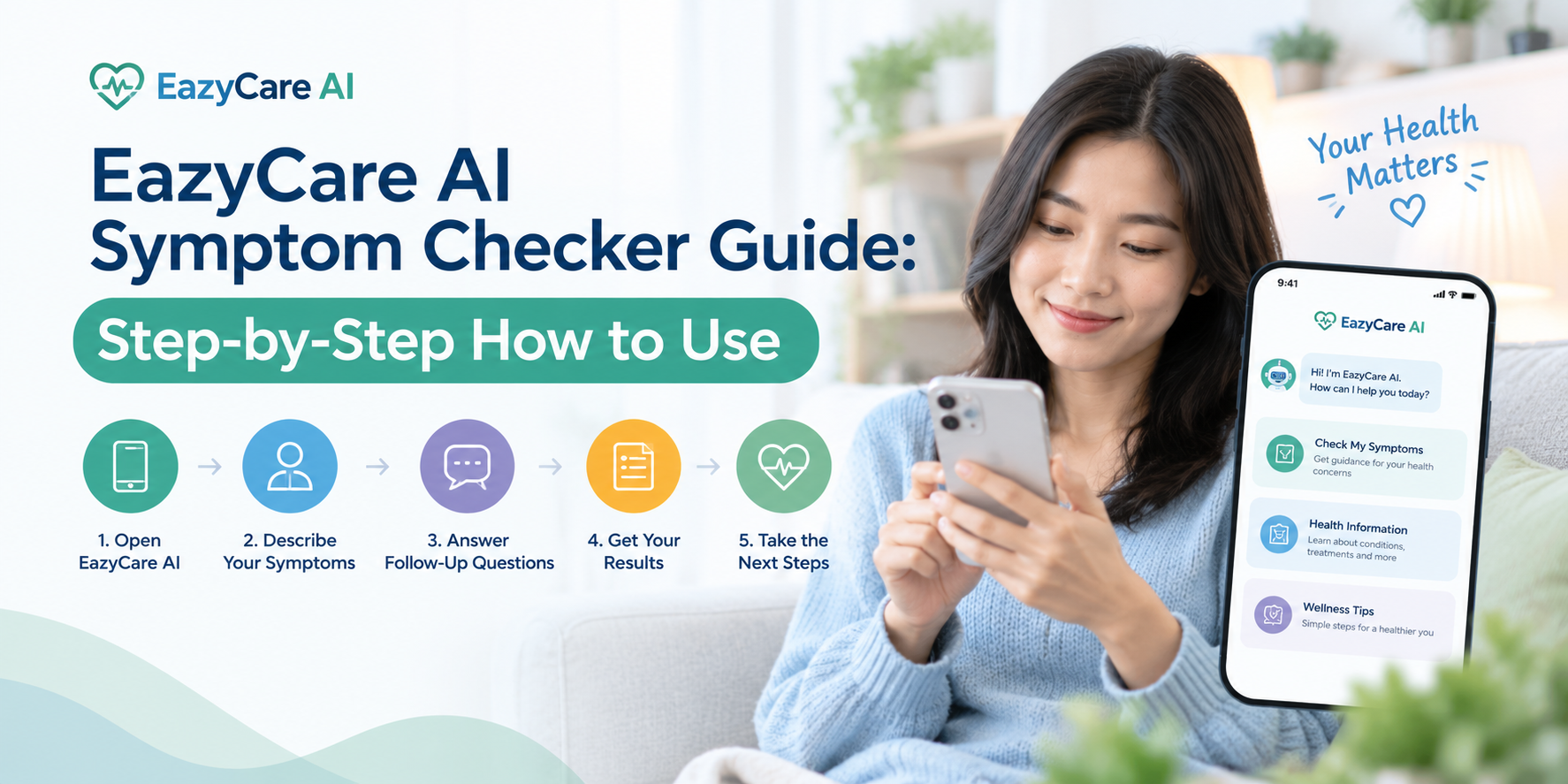
Practical takeaway: Do not assume your patient can use a video consultation. Start with the technology they already use—SMS, WhatsApp, voice calls. EazyCare AI offers a text-based symptom checker that works on low-bandwidth connections and can be used by patients with basic phones.
For patients managing multiple prescriptions, integrating medication management with online therapy can reduce confusion and improve adherence.
Best Practices for Healthcare Providers to Engage Patients
Clinician behaviour is the single most modifiable factor in the care gap equation. A 2020 observational study in Indonesian primary care clinics revealed that doctors interrupted patients after an average of 11 seconds. In contrast, a simple “What worries you most about this condition?” increased visit satisfaction by 40%.
Five Communication Behaviours That Close Gaps
- Ask open-ended questions first. “What have you tried so far?” instead of “Did you take your medicine?”
- Use the “Ask-Tell-Ask” framework. Ask what the patient knows, tell them what they need to know, then ask again to verify understanding.
- Acknowledge access barriers. “How long does it take you to get to the pharmacy?” “How much does transport cost?” Offer solutions like refill synchronisation or home delivery.
- Use the patient’s preferred language. Even imperfect attempts at the local dialect build rapport. In a study in Thailand, doctors who used a few phrases in the northern dialect had 30% higher patient trust scores.
- Collaborate with family caregivers. In Asia, the primary caregiver is often a daughter or daughter-in-law. Address her directly: “I need your help to make sure he takes this pill every evening.”
“Respect is the currency of engagement. If a patient feels heard, they will hear you.”
— Dr. Siti Nurani, Community Health Researcher, University of Malaya
Practical takeaway: Schedule 5 extra minutes per visit to explore the patient’s explanatory model—what they think caused their illness, what they have tried, and what they expect. This alone can reveal hidden gaps.
Metrics That Matter for Closing Care Gaps
Without measurement, you cannot close a gap. Key metrics for Southeast Asian settings:
- Appointment adherence rate (% of missed appointments) — target <10%.
- Medication possession ratio (MPR) — proportion of days covered by medication. MPR <0.80 signals a gap.
- Care completion rate — for screening (e.g., Pap smear, mammogram) and follow-up (e.g., HbA1c test every 3 months).
- CHW follow-up success — number of home visits completed vs. scheduled.
| Metric | Baseline (Typical) | Goal (After Intervention) |
|---|---|---|
| Missed appointment rate | 30% | <10% |
| HbA1c testing every 6 months | 40% | >80% |
| Hypertension medication adherence | 53% | >80% |
Targets derived from WHO SEARO NCD targets 2025.
Practical takeaway: Review these metrics monthly at the clinic level. Discuss them with the whole team, including receptionists and CHWs. Celebrate small wins to maintain momentum.
Frequently Asked Questions
What are effective patient engagement strategies for closing care gaps?
Effective strategies include culturally tailored health education, family-centred communication, use of community health workers, mobile health reminders (SMS/voice), and teach-back methods. In Southeast Asia, engaging the family decision-maker and respecting traditional medicine are particularly impactful. A combined approach that addresses health literacy, language, and access barriers yields the greatest reduction in care gaps. EazyCare AI's symptom checker can help patients assess initial concerns before they become gaps.
How does communication improve patient outcomes in Southeast Asia?
Effective communication increases trust, understanding, and adherence. A study in Malaysia showed that doctors who communicated in the patient's native dialect achieved 30% higher medication adherence. Clear, simple instructions reduce errors. When patients feel heard and respected, they are more likely to return for follow-up and report side effects early—preventing complications. Poor communication is a leading cause of care gaps.
What are the main barriers to patient engagement in low-resource settings?
Barriers include low health literacy, language diversity, lack of transportation, cost of care, reliance on traditional healers, and fear of side effects. In rural areas, limited internet and smartphone access restrict digital engagement. Cultural beliefs about disease (e.g., hypertension is caused by stress, not salt) also inhibit behaviour change. Addressing these requires multi-level interventions, not just patient education.
How can telehealth enhance patient engagement in rural areas?
Telehealth can reduce travel barriers and provide convenient access. However, in rural Southeast Asia, asynchronous tools (SMS, voice calls, WhatsApp) are more effective than video consultations due to bandwidth limits. Combined with CHW support, telehealth enables remote monitoring and medication reminders. A Vietnamese trial found that SMS reminders improved TB adherence by 15%. EazyCare AI offers a light-weight chat interface that works on 2G networks.
What role do family caregivers play in patient communication in Asia?
Family caregivers are often the primary decision-makers and medication managers. In a Filipina diabetes patient’s household, the eldest daughter typically controls the diet and finances. Engaging the caregiver directly improves adherence. Strategies include inviting caregivers to consultations, providing caregiver-specific instructions, and using messaging apps to send reminders to both patient and family. Ignoring the caregiver can widen care gaps.
Why is health literacy critical for closing care gaps?
Health literacy determines a patient’s ability to understand diagnoses, follow treatment plans, and recognise warning signs. In Southeast Asia, where up to 80% of adults in some countries have limited health literacy, interventions must simplify instructions. Pictograms, voice messages, and teach-back are proven to bridge the gap. Without addressing literacy, even the best treatment plans will fail. EazyCare AI provides health information in plain language and multiple local languages.
How do cultural beliefs affect patient engagement in Southeast Asia?
Cultural beliefs such as fatalism ("It's God's will"), reliance on traditional medicine (jamu, hilot), and the stigma of chronic disease can delay care-seeking. In Indonesia, many diabetics first consult a dukun (spiritual healer). Effective engagement acknowledges these beliefs without confrontation. For example, a clinician can say, "I respect that you use jamu. Let's check if it interacts with your insulin." This builds trust.
What are the best practices for healthcare providers to engage patients?
Best practices include using open-ended questions, practising teach-back, speaking the patient’s language, involving family caregivers, and addressing social barriers. Spend the first two minutes of the consultation asking about the patient’s understanding and concerns. Use simple analogies. Document each barrier and follow up. A 2020 paper in PubMed found that these practices improved hypertension control rates by 22% in Malaysian clinics.
How can digital tools improve patient-provider communication in Malaysia?
Digital tools such as WhatsApp groups, SMS appointment reminders, and health literacy chatbots (like EazyCare AI) improve communication by providing information in the patient’s preferred language and time. In Malaysia, a primary care clinic used a nurse-moderated WhatsApp group for diabetes patients and saw a 1.1% reduction in HbA1c over 6 months. Such tools also allow patients to ask questions outside clinic hours.
What is the impact of language barriers on patient engagement?
Language barriers increase misdiagnosis, non-adherence, and anxiety. In Thailand, patients who did not speak the central Thai dialect were 2.4 times more likely to miss follow-up appointments. Using professional interpreters or simplified phrase cards reduces these gaps. Even clinicians who learn a few key phrases in the local dialect improve trust and adherence. EazyCare AI supports multiple Southeast Asian languages, including Bahasa, Thai, Tagalog, and Vietnamese.
When to See a Doctor
While closing care gaps reduces long-term risks, certain signs require urgent medical attention. If you or a family member experience any of the following, seek immediate care:
- Severe headache (7/10 or higher) with confusion or vision changes — may indicate hypertensive crisis.
- Blood pressure >180/110 mmHg at home.
- Sudden chest pain, shortness of breath, or weakness on one side of the body.
- Fasting blood glucose >300 mg/dL (16.7 mmol/L) with nausea or vomiting — risk of diabetic ketoacidosis.
- Any medication side effect causing swelling of the face, lips, or tongue (allergic reaction).
Call 999 or go to the nearest emergency department if severe symptoms appear. If you are unsure, EazyCare AI can help you decide whether you need urgent care by assessing your symptoms.
Conclusion
- Context matters. Patient engagement strategies for closing care gaps in Southeast Asia must be culturally adapted, family-centred, and literacy-aware. Generic Western models miss the mark.
- Low-tech can be high-impact. Community health workers, SMS reminders, and teach-back methods are proven effective and scalable in resource-limited settings.
- Clinicians are the gatekeepers. Simple changes in communication—open-ended questions, use of local language, involvement of caregivers—can close the most stubborn care gaps.
You do not need an expensive digital system to start. Begin by auditing your own clinic’s missed appointment rate. Ask one non-adherent patient today what really stands in their way. The answer will guide your next strategy. Learn more at eazycare.ai or chat with our AI health assistant for personalised guidance.