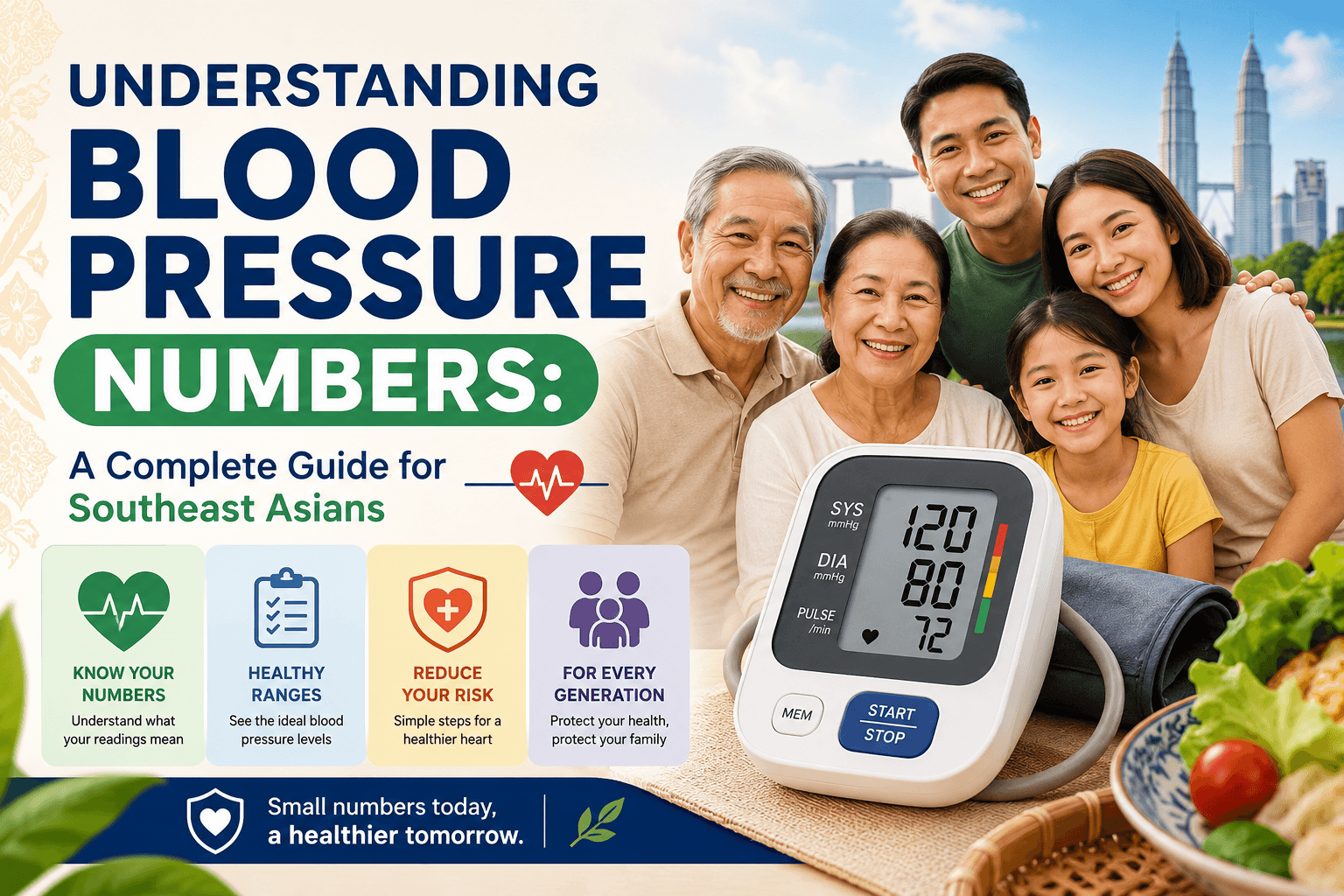
Blood pressure numbers are a measure of the force your heart uses to pump blood through your arteries. The top number (systolic) records pressure during a heartbeat; the bottom number (diastolic) records pressure between beats. In 2023, the World Health Organization reported that 1.28 billion adults aged 30–79 have hypertension worldwide, with two‑thirds living in low‑ and middle‑income countries, including Southeast Asia.
Key Takeaways
- Blood pressure is expressed as two numbers: systolic (top) and diastolic (bottom). A normal reading is below 120/80 mmHg.
- In Southeast Asia, high sodium intake from fish sauce, soy sauce, and belacan is a major contributor to elevated blood pressure.
- According to the Malaysia NHMS 2019, 30% of Malaysian adults have hypertension, and nearly half are unaware of their condition.
- Reducing systolic blood pressure by just 10 mmHg lowers the risk of major cardiovascular events by about 20% (PubMed, 2020).
- Home monitoring with an affordable, validated device is the most effective way to track your numbers.
Why Your Blood Pressure Numbers Matter More Than You Think
Imagine a 45‑year‑old accountant in Kuala Lumpur. He eats nasi lemak with sambal for breakfast, adds fish sauce to his lunch noodles, and snacks on keropok in the evening. He feels fine — no headaches, no dizziness. But at a health screening, his blood pressure reads 145/92 mmHg. He is shocked. This scenario is not rare. The Malaysia National Health and Morbidity Survey (NHMS) 2019 found that 30.0% of adults aged 18 and above have hypertension, and 49.5% of them do not know they have it.
Persistent headaches can sometimes signal hypertension, so exploring headache causes beyond stress is crucial.
Understanding blood pressure numbers is the first step to taking control. This guide explains what the top and bottom numbers mean, how they relate to your risk of heart attack and stroke, and — critically — what you can do about it, with specific advice for Southeast Asian diets and lifestyles. We will cover the latest guidelines from the Ministry of Health Malaysia (MOH), the World Health Organization, and the CDC, and give you practical, culturally relevant strategies to lower your numbers. If you are unsure where to start, EazyCare AI's symptom checker can help you assess your risk and guide your next steps.
What Do the Top and Bottom Blood Pressure Numbers Mean?
Blood pressure is recorded as two numbers: systolic (the top number) and diastolic (the bottom number). The systolic pressure measures the force exerted on artery walls when the heart contracts and pumps blood. The diastolic pressure measures the force when the heart rests between beats. Think of it like a pump system: systolic is the peak pressure during a pump stroke; diastolic is the baseline pressure when the pump refills.
A normal reading is less than 120/80 mmHg. Elevated readings indicate that your heart and arteries are working harder than they should. Over time, this extra force damages artery walls, leading to atherosclerosis, heart attack, stroke, and kidney disease. According to the CDC, about 47% of adults in the United States have elevated blood pressure or are on medication — but in Southeast Asia, the problem is compounded by dietary habits that push sodium intake well above the recommended 5 g/day limit.
Recognizing chest pain causes can help you identify early warning signs of a heart attack.
Systolic pressure is the more important predictor of cardiovascular risk in adults over 50. Diastolic pressure is more relevant for younger adults. Both numbers matter, but a high systolic reading alone is enough to diagnose hypertension.
Why Both Numbers Matter
Isolated systolic hypertension (top number high, bottom normal) is common in older adults due to stiffening arteries. Isolated diastolic hypertension (bottom number high, top normal) is more common in younger adults. Either pattern increases risk. A 2020 study in PubMed found that a 10 mmHg reduction in systolic blood pressure lowers the risk of major cardiovascular events by about 20% — a powerful incentive to know your numbers.
Normal vs. Elevated: Blood Pressure Stages According to WHO and MOH Malaysia
Blood pressure is classified into stages to guide treatment decisions. The table below compares the WHO classification with the MOH Malaysia Clinical Practice Guidelines (2018).
| Category | Systolic (mmHg) | Diastolic (mmHg) | MOH Malaysia Recommendation |
|---|---|---|---|
| Normal | <120 | <80 | Recheck every 2 years |
| Elevated | 120–129 | <80 | Lifestyle modification; recheck in 3–6 months |
| Stage 1 Hypertension | 130–139 | 80–89 | Lifestyle + consider medication if high risk (diabetes, CKD) |
| Stage 2 Hypertension | ≥140 | ≥90 | Lifestyle + medication |
| Hypertensive Crisis | ≥180 | ≥120 | Immediate medical attention |
For adults with diabetes or chronic kidney disease, MOH Malaysia recommends a target of <130/80 mmHg. The Singapore Ministry of Health (2017) echoes this: a lower target reduces kidney and cardiovascular complications. If your reading is 130/80 or higher, you are no longer in the normal range — and you need to act.
"Nearly half of adults with hypertension in Malaysia are unaware of their condition. Regular screening is the only way to know your numbers."
— NHMS 2019, Institute for Public Health Malaysia
Why Southeast Asians Are at Higher Risk: Salt, Stress, and Traditional Remedies
Generic Western health advice often misses the cultural and dietary realities of Southeast Asia. Here are three factors that drive hypertension in the region.
1. High Sodium Condiments
Fish sauce (nam pla, nuoc mam), soy sauce, belacan (shrimp paste), and sambal are staples. A single tablespoon of fish sauce contains about 1,500 mg of sodium — nearly the entire daily recommended limit of 2,000 mg. The WHO recommends less than 5 g of salt per day (about one teaspoon). In Southeast Asia, average intake often exceeds 8–10 g/day. Reducing fish sauce and soy sauce by half can lower systolic pressure by 4–6 mmHg within weeks.
Many traditional medicines, such as Tongkat Ali (Eurycoma longifolia) and misai kucing (Orthosiphon aristatus), are used for energy and kidney health. However, Tongkat Ali may raise blood pressure in some individuals due to its stimulant-like effects. Misai kucing is a diuretic and can lower potassium levels, which may interact with blood pressure medications. Always inform your doctor about any herbal supplements you take.
2. Late-Night Eating and Stress
In urban centres like Bangkok, Jakarta, and Manila, long working hours and late dinners are common. Eating close to bedtime raises nighttime blood pressure and disrupts the normal nocturnal dip — a pattern linked to higher cardiovascular risk. Chronic stress from job pressure and traffic congestion also activates the sympathetic nervous system, causing sustained vasoconstriction.
Recognizing signs your body needs more sleep can help you address sleep deprivation, which also impacts blood pressure.
3. Low Awareness and Screening
The NHMS 2019 data is stark: 30% of Malaysian adults have hypertension, but half are undiagnosed. Many only discover their condition after a stroke or heart attack. Routine screening — at least once a year for adults over 18 — is the single most effective preventive measure.
Also refer to our fever in children guide for when to seek help.
How to Measure Blood Pressure Correctly: Tips for Accurate Readings
Inaccurate measurements lead to misdiagnosis. Follow these steps for a reliable reading at home or at the clinic.
Use a validated automatic upper-arm monitor. Wrist monitors are less accurate. Look for devices approved by the Malaysian Society of Hypertension or the British Hypertension Society. Prices in Malaysia range from RM 80 to RM 200 — a worthwhile investment.
Measure at the same time each day. The best time is in the morning, within 30 minutes of waking, before eating or taking medication, and after emptying your bladder. Avoid caffeine, smoking, and exercise for 30 minutes prior.
Sit correctly. Back supported, feet flat on the floor, arm resting on a table at heart level. Do not cross your legs. The cuff should be placed on bare skin, not over clothing.
Take two or three readings, one minute apart. Record the average. A single high reading does not mean hypertension — it could be white‑coat syndrome (anxiety in a medical setting).
Home monitoring is especially useful for detecting masked hypertension — normal readings in clinic but high readings at home, which carries the same risk as sustained hypertension. If your home readings consistently exceed 135/85 mmHg, consult a doctor.
How to Lower Blood Pressure Naturally: Southeast Asian Diet Swaps and Habits
Lifestyle changes can reduce systolic pressure by 10–15 mmHg, often matching the effect of a single medication. Here are strategies tailored to the region.
Dietary Swaps
- Replace fish sauce with lime juice, vinegar, or herbs (lemongrass, coriander, ginger) in cooking. You will still get flavour without the sodium load.
- Choose fresh sambal over bottled versions. Bottled sambal often contains added salt and preservatives. Homemade sambal with less salt gives you control.
- Limit soy sauce to 1 teaspoon per meal. Use low‑sodium soy sauce if available (reduces sodium by 40%).
- Increase potassium-rich foods: bananas, spinach, sweet potatoes, and coconut water. Potassium helps counterbalance sodium. However, if you have kidney disease, consult your doctor before increasing potassium.
Physical Activity
The MOH Malaysia guidelines recommend at least 150 minutes of moderate‑intensity aerobic exercise per week (e.g., brisk walking, cycling, swimming). In Southeast Asia, walking is often underutilised due to heat and traffic. Try early morning or evening walks, or use a stationary bike at home. Even 30 minutes of walking five days a week can lower systolic pressure by 5–8 mmHg.
Prolonged sitting raises blood pressure; discover what happens to your body when you sit all day.
Stress Management
Mindfulness meditation and deep breathing (5 minutes, twice daily) reduce sympathetic tone. A 2018 study in Singapore found that a 8‑week mindfulness programme lowered systolic pressure by 4 mmHg in stressed office workers. Avoid late‑night screen time and aim for 7–8 hours of sleep.
For those struggling with sleep, AI insomnia treatment offers digital solutions that can help improve rest.
When Is Medication Needed? MOH Malaysia Targets and Treatment Thresholds
Lifestyle changes are the foundation, but many patients eventually require medication. According to the MOH Malaysia Clinical Practice Guidelines (2018), medication is indicated when:
- Blood pressure is ≥140/90 mmHg despite 3–6 months of lifestyle modification.
- Blood pressure is ≥130/80 mmHg in patients with diabetes, chronic kidney disease, or established cardiovascular disease.
- Blood pressure is ≥160/100 mmHg at initial diagnosis — start medication immediately.
Common medications include ACE inhibitors, ARBs, calcium channel blockers, and diuretics. Most patients need two or more drugs to reach target. Adherence is critical: in Malaysia, about 40% of patients stop taking their medication within one year, often due to side effects or cost. If you experience side effects, talk to your doctor — do not stop abruptly. Generic versions are available at government clinics for as little as RM 1 per month.
If you are unsure whether you need medication, EazyCare AI's symptom checker can help you assess your risk and prepare for a doctor's visit.
Monitoring and Follow‑Up: How to Stay on Track
Hypertension is a chronic condition that requires ongoing management. Here is a practical monitoring schedule:
- If your blood pressure is well‑controlled (<130/80 mmHg): check at home once a week, and see your doctor every 3–6 months.
- If your blood pressure is not at target: check daily (morning and evening) and see your doctor every 2–4 weeks until controlled.
- Keep a log of readings, medications, and any symptoms. Show it to your doctor at each visit.
Digital tools can simplify tracking. EazyCare AI offers a free health log feature that records your numbers and provides trend analysis. You can also share the data with your clinician during teleconsultations.
Frequently Asked Questions
What do the top and bottom blood pressure numbers mean?
The top number (systolic) measures the pressure in your arteries when your heart beats. The bottom number (diastolic) measures the pressure when your heart rests between beats. Both are important: a high systolic indicates stiff arteries; a high diastolic indicates high resting pressure. A normal reading is below 120/80 mmHg. If either number is elevated, your risk of heart disease and stroke increases.
What is a normal blood pressure reading by age?
For adults, the normal range is the same regardless of age: below 120/80 mmHg. However, as people age, systolic pressure tends to rise due to arterial stiffness. In older adults (65+), a target of <130/80 mmHg is still recommended by MOH Malaysia, but individualised goals may be set. Children and adolescents have lower normal values based on age, sex, and height percentiles. The key point: there is no "normal for age" that excuses high numbers — any reading above 120/80 requires attention.
Is 130/80 considered high blood pressure?
Yes. According to the MOH Malaysia 2018 guidelines, a reading of 130/80 mmHg is classified as Stage 1 hypertension. While lifestyle changes are the first step, medication may be needed if you have diabetes, kidney disease, or other risk factors. Even without medication, you should monitor your numbers and make dietary changes. EazyCare AI's symptom checker can help you assess your risk.
What should I do if my blood pressure is 140/90?
A reading of 140/90 mmHg is Stage 2 hypertension. You should see a doctor within a week. The doctor will likely recommend lifestyle changes and start medication, especially if you have other risk factors. Do not panic — one high reading does not confirm hypertension, but it warrants further evaluation. Measure again at home using proper technique. If it remains high, schedule a clinic visit. EazyCare AI can help you decide whether you need urgent care.
How often should I check my blood pressure?
If your blood pressure is normal (<120/80), check once every 2 years at a health screening. If it is elevated (120–129/<80), check every 3–6 months. If you have hypertension, check at home daily when starting treatment or adjusting medication, then weekly once controlled. The MOH Malaysia guidelines recommend home monitoring for all patients with hypertension.
Can stress cause temporary high blood pressure?
Yes. Acute stress triggers a surge in adrenaline and cortisol, raising systolic pressure by 20–30 mmHg temporarily. This is normal and resolves when the stressor passes. However, chronic stress keeps the sympathetic nervous system activated, leading to sustained hypertension. Techniques like deep breathing, meditation, and regular exercise can lower stress‑induced spikes. If your blood pressure remains high even when relaxed, it is not just stress — see a doctor.
What is the difference between systolic and diastolic pressure?
Systolic pressure is the force during a heartbeat; diastolic is the force between beats. Systolic is more important for predicting cardiovascular events in people over 50, while diastolic is more relevant for younger adults. Both numbers contribute to the overall risk. For example, a reading of 150/70 mmHg (isolated systolic hypertension) carries a higher risk than 130/90 mmHg (isolated diastolic hypertension) in older adults.
How does diet affect blood pressure in Southeast Asia?
Diet is the single biggest modifiable factor. High sodium intake from fish sauce, soy sauce, belacan, and sambal directly raises blood pressure. The average Southeast Asian consumes 8–10 g of salt per day, double the WHO recommendation of 5 g. Reducing these condiments, increasing potassium‑rich foods (bananas, spinach, coconut water), and limiting processed foods can lower systolic pressure by 5–10 mmHg. Traditional herbs like lemongrass and ginger can replace salt without sacrificing flavour.
When is the best time to measure blood pressure?
The best time is in the morning, within 30 minutes of waking, before eating or taking medication, and after emptying your bladder. Evening readings are also useful but should be taken at least one hour after dinner and before bed. Consistency matters — measure at the same times each day and record the average. Avoid measuring after exercise, caffeine, or smoking.
What blood pressure level requires medication?
Medication is typically started when blood pressure is ≥140/90 mmHg despite 3–6 months of lifestyle changes. For patients with diabetes, chronic kidney disease, or heart disease, medication is considered at ≥130/80 mmHg. If your initial reading is ≥160/100 mmHg, medication is started immediately. Always follow your doctor's prescription — do not self‑medicate. EazyCare AI's symptom checker can help you assess your risk and prepare for a doctor's visit.
When to See a Doctor
Seek medical attention if you experience any of the following symptoms, which may indicate a hypertensive emergency or target organ damage:
- Severe headache, especially sudden or pounding
- Blurred vision or double vision
- Chest pain, shortness of breath, or palpitations
- Numbness or weakness on one side of the body
- Difficulty speaking or understanding speech
- Blood in urine or foamy urine (sign of kidney damage)
- Blood pressure reading ≥180/120 mmHg (hypertensive crisis)
Call 999 or go to the nearest emergency department if your blood pressure is ≥180/120 mmHg and you have any of the above symptoms. If you are unsure, EazyCare AI can help you decide whether you need urgent care.
Conclusion
Understanding blood pressure numbers is not complicated, but it requires action. Here are the three most important takeaways:
- Know your numbers. A normal reading is below 120/80 mmHg. If yours is higher, you are at increased risk — even if you feel fine.
- Address local risk factors. Reduce sodium from fish sauce, soy sauce, and belacan. Manage stress and avoid late‑night eating. These changes are proven to lower blood pressure.
- Monitor and follow up. Home monitoring with a validated device is essential. Share your readings with your doctor and adhere to prescribed medications if needed.
Hypertension is a silent killer, but it is also one of the most preventable and treatable conditions. Take the first step today. Chat with EazyCare AI's health assistant to assess your risk, or visit eazycare.ai for more resources tailored to Southeast Asia.