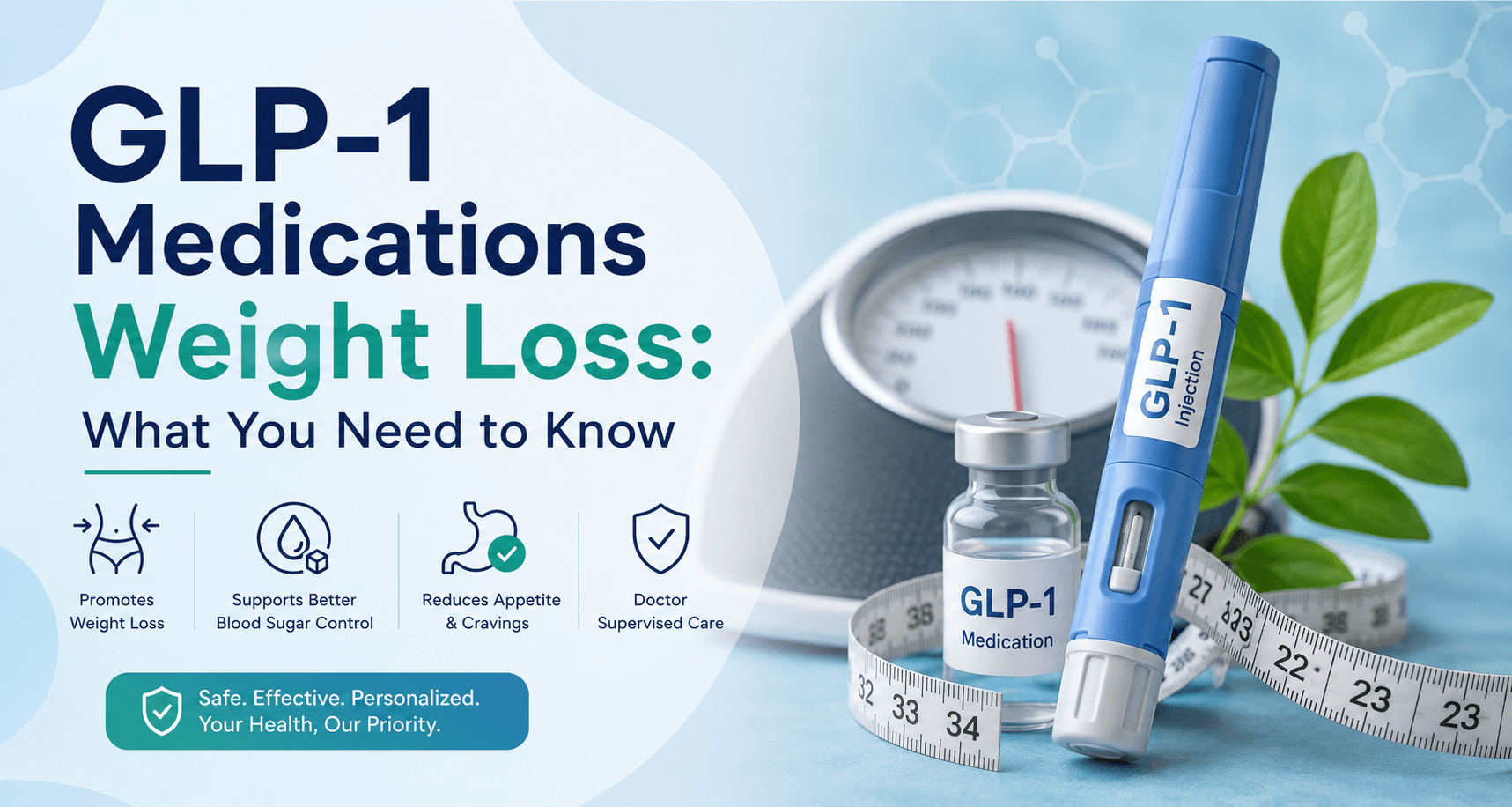
GLP-1 receptor agonists are a class of injectable medications that mimic the glucagon-like peptide-1 hormone, producing significant, sustained weight loss—averaging 8–15% of initial body weight in clinical trials. They work by slowing gastric emptying, increasing satiety, and reducing appetite. However, weight regain is common after discontinuation, and access in Southeast Asia remains limited by cost, regulatory hurdles, and cultural dietary patterns.
Key Takeaways
- Semaglutide (Wegovy) led to 14.9% average weight loss over 68 weeks in the STEP 1 trial.
- Liraglutide (Saxenda) produced 8.0 kg (8.8%) loss over 56 weeks.
- GLP-1 drugs are not a standalone solution; they must be paired with long-term lifestyle changes to prevent rebound.
- In Malaysia, only selected GLP-1 agonists are approved for obesity; most require a specialist prescription and are not subsidised.
- Side effects are common (nausea, vomiting, diarrhoea) and require gradual dose titration.
The Weight‑Loss Promise and the Sustainability Problem
Obesity is not a character flaw—it is a chronic, relapsing disease. In Malaysia, prevalence rose from 15.6% in 2011 to 19.7% in 2019 (NHMS 2019). Globally, the number of adults with obesity has nearly tripled since 1975, exceeding 650 million (WHO). For decades, dietary advice and exercise alone produced, at best, 5–10% weight loss—and most individuals regained it within two years.
Enter GLP-1 receptor agonists: drugs originally developed for type 2 diabetes that consistently produce double that weight loss. Semaglutide (Wegovy) and liraglutide (Saxenda) are now approved in many countries for weight management. But clinicians who treat metabolic disease frequently hear three anxieties from patients: “Will the weight stay off?”, “What are the side effects?”, and “Can I get this in Malaysia?”.
This article unpacks the evidence on GLP-1 medications for weight loss, addresses sustainability, side effects, and—critically—what these drugs mean for Southeast Asian patients whose diets revolve around rice, noodles, and communal eating. If you are considering these medications, EazyCare AI’s symptom checker can help you assess whether you meet the medical criteria before seeing a specialist.
How GLP‑1 Agonists Produce Weight Loss
GLP-1 (glucagon-like peptide-1) is a natural incretin hormone released from the gut after eating. It acts on several targets:
- Pancreas: stimulates insulin secretion and suppresses glucagon release (glucose-dependent).
- Stomach: delays gastric emptying, keeping food in the stomach longer.
- Brain (hypothalamus): activates pro-opiomelanocortin neurons and inhibits NPY/AgRP neurons, directly suppressing appetite.
GLP-1 receptor agonists are synthetic analogues resistant to enzymatic degradation by DPP-4. They amplify these effects, producing a sustained reduction in calorie intake—typically 15–30% fewer calories per day—without the deprivation of traditional diets.
Why GLP-1 drugs outperform lifestyle alone. Most dietary interventions reduce calorie intake by willpower alone, which triggers compensatory hormonal responses (increased ghrelin, reduced leptin) that drive weight regain. GLP-1 agonists override these by pharmacologically mimicking satiety signals, making compliance easier at the neural level. This is why a 2022 systematic review found that GLP-1 agonists increased the likelihood of achieving ≥5% weight loss by 2- to 3-fold compared to placebo (PubMed).
Practical takeaway: GLP-1 drugs do not “melt fat” directly—they change how you experience hunger and fullness. Patients often report feeling “satisfied with a ½ plate of rice instead of the usual portion.” That reduction, sustained over months, equals significant weight loss.
How Much Weight Can You Lose with GLP‑1 Medications?
The numbers from large randomised trials are robust.
| Drug (Brand) | Trial Duration | Average Weight Loss | % Achieving ≥5% Loss |
|---|---|---|---|
| Semaglutide (Wegovy) | 68 weeks | 14.9% (15.3 kg) | 86.4% |
| Liraglutide (Saxenda) | 56 weeks | 8.0 kg (8.8%) | 63% |
| Placebo (STEP 1) | 68 weeks | 2.4% | 31.5% |
The STEP 1 trial (n=1,961) gave semaglutide 2.4 mg weekly plus lifestyle intervention. After 68 weeks, the drug group lost 14.9% of body weight—over six times more than placebo. Similarly, the SCALE Obesity and Prediabetes trial with liraglutide achieved 8.0 kg average loss after 56 weeks.
Important nuance: These trials excluded individuals with obesity caused by secondary conditions (e.g., Cushing's syndrome, hypothalamic injury). Real-world results are typically 10–15% loss—still substantial, but less consistent. About 15–20% of patients are “non-responders” who lose less than 5%.
Do GLP‑1 Drugs Work Without Diet and Exercise?
No. In the STEP 1 trial, all participants received lifestyle counselling plus a 500 kcal/day deficit diet. A 2023 real-world analysis showed that patients who stopped dietary tracking regained weight even while continuing the drug. GLP-1 agonists are an adjunct—not a substitute—for behavioural change.
For those seeking sustainable weight loss alternatives to GLP-1, digital coaching programs can provide effective behavioral support.
For those struggling with sleep, evidence-based digital solutions for chronic insomnia can complement weight management efforts.
Digital coaching for chronic disease management can help sustain these lifestyle changes.
Is Weight Loss from GLP‑1 Drugs Sustainable After Stopping?
This is the most critical question for patients considering treatment. The short answer: weight regain is the rule, not the exception.
In the STEP 1 extension trial (STEP 4), participants who were randomised to discontinue semaglutide after 68 weeks regained 11.6% of their lost body weight within one year—meaning they kept only about one‑third of their original loss. Those who continued on semaglutide maintained the loss.
Why does this happen? Obesity is a chronic relapsing disease with strong biological drivers. GLP-1 agonists suppress appetite while you take them, but the underlying hormonal dysregulation—elevated ghrelin, reduced GLP-1 sensitivity—returns when the drug is stopped.
Emerging tools like AI-driven chronic disease management can help track and personalize long-term maintenance strategies.
Rebound can be rapid. A 2022 study in Diabetes, Obesity and Metabolism found that 80% of patients who stopped liraglutide regained at least as much weight as they had lost within 12 months. The drug does not “cure” obesity—it manages it. Lifelong or long‑term therapy is often necessary.
Practical takeaway: If you cannot commit to at least 1–2 years of therapy, the weight loss is unlikely to be sustained. Discuss a maintenance plan with your endocrinologist: many patients transition to a lower dose or switch to a different drug class (e.g., oral metformin) after reaching goal weight, but robust evidence for this is still emerging.
Prolonged sitting can counteract these benefits, so understanding what happens to your body when you sit all day is crucial.
Common Side Effects and Long‑Term Safety of GLP‑1 Agonists
Gastrointestinal side effects are the main reason for discontinuation. Nausea affects 20–40% of patients, vomiting 10–15%, diarrhoea 15–20%. These are dose‑dependent and peak during the first 4–8 weeks.
To mitigate this, clinicians start with a low dose and titrate every 2–4 weeks. For semaglutide (Wegovy), the starting dose is 0.25 mg weekly, gradually increasing to 2.4 mg over 16–20 weeks. Rushing titration invites dropout.
Serious but rare side effects
- Pancreatitis: incidence about 0.1–0.3% per year. Advise patients to stop the drug and seek care if they have severe epigastric pain radiating to the back.
- Gallbladder disease: 1–2% due to rapid weight loss itself.
- Thyroid C‑cell tumours: a black‑box warning for rodent models; human data does not show increased medullary thyroid carcinoma, but it remains a contraindication in patients with personal/family history of MEN‑2.
- Retinopathy complications: caution in patients with diabetic retinopathy (semaglutide may transiently worsen it).
Long‑term safety data beyond 4 years is limited. A 2023 meta‑analysis of 40 trials (n>50,000) found no increase in major cardiovascular or all‑cause mortality in non‑diabetic populations, but monitoring is prudent.
Practical takeaway: Most side effects are manageable with slow titration, antiemetics if needed, and close follow‑up. Never start at the maintenance dose. Use EazyCare AI’s symptom tracker to log side effects and decide when to contact your doctor.
GLP‑1 Medications in Southeast Asia: Approval, Cost, and Insurance
This is where much online guidance falls short. Western literature assumes easy access; Southeast Asian reality is very different.
For those seeking alternatives, consider comparing online mental health therapy vs medication management in Southeast Asia.
For those struggling with the emotional toll of weight management, exploring online mental health care in Southeast Asia can provide valuable support.
A comprehensive clinical guide on GLP-1 medications for weight loss in Southeast Asia can help navigate these differences.
Malaysia: The National Pharmaceutical Regulatory Agency (NPRA) has approved liraglutide (Saxenda) for obesity (BMI ≥30 kg/m² or BMI ≥27 kg/m² with comorbidities) and semaglutide for type 2 diabetes (Ozempic, 1 mg). Wegovy (semaglutide for obesity) is not yet registered. Most prescriptions come from endocrinologists or obesity specialists in private hospitals.
Thailand: Saxenda and Ozempic are available, but Wegovy was approved only in late 2023. Out‑of‑pocket cost for Saxenda: THB 12,000–14,000/month (~USD 340–400).
Indonesia: Liraglutide is available but expensive (IDR 5–8 million/month). Semaglutide (Ozempic) is registered but often in shortage.
Most insurance plans do not cover GLP-1 agonists for obesity in the region; they are considered “lifestyle drugs.” Some corporate insurance in Malaysia covers Ozempic for diabetes but not for weight loss alone.
Some patients are exploring AI therapy effectiveness as a complementary tool for weight management.
Is It Worth the Cost?
Economic modelling from the US suggests that achieving ≥10% weight loss reduces lifetime medical costs by $5,000–$10,000 per patient, mainly by preventing diabetes, hypertension, and sleep apnoea. But these models assume sustained use—if patients cannot afford long‑term therapy, the cost‑benefit flips.
For those struggling with sleep issues alongside weight management, AI insomnia treatment offers digital solutions that work.
Practical takeaway: Before starting, have an honest conversation with your doctor about cost and duration. Ask whether a generic or biosimilar version is expected (in Malaysia, generic liraglutide is not yet available). Consider combining with structured lifestyle programmes to maximise the chance of maintaining loss after drug cessation.
AI tools can help identify gaps in preventive care for patients on GLP-1 therapy.
Integrating GLP‑1 Therapy with Southeast Asian Eating Patterns
One of the biggest unaddressed challenges—and where patients struggle most—is adapting GLP-1 medications to a diet built on high‑glycaemic carbohydrates and communal eating.
A typical Malaysian or Thai meal includes a generous portion of white rice or noodles, often fried in oil. GLP-1 agonists slow gastric emptying, so large carbohydrate loads can cause bloating, reflux, and early satiety that turns into nausea. Many patients report that they simply “can’t finish” their usual nasi lemak or pad thai.
Three evidence‑informed strategies for Southeast Asian patients:
- Reduce rice portion by 30–50%. Use a measuring cup: from 1 cup to a generous ½ cup. Fill the rest of the plate with fibrous vegetables and lean protein (fish, chicken breast, tempeh).
- Space meals 4–5 hours apart. GLP-1 drugs delay gastric emptying for up to 6 hours. Eating again before stomach has emptied leads to reflux and vomiting.
- Avoid fried and coconut‑milk‑heavy dishes (curries, laksa) during the titration phase. Fat further delays emptying and worsens nausea. After 8–12 weeks of therapy, many patients can tolerate moderate amounts.
A 2023 pilot study from Singapore showed that a culturally‑adapted dietary programme—using local ingredients and portion control—improved adherence to GLP-1 therapy by 40%. Cultural adaptation matters for efficacy.
Who Is Eligible for GLP‑1 Therapy and How to Start
GLP-1 receptor agonists are prescription‑only medications. Do not buy them online without a doctor’s supervision—risk of counterfeit, incorrect dosing, and side effects is high.
Eligibility criteria (based on FDA and NPRA guidelines for liraglutide):
- BMI ≥30 kg/m² (obesity) OR BMI ≥27 kg/m² with at least one weight‑related comorbidity (type 2 diabetes, hypertension, dyslipidaemia, sleep apnoea).
- Age ≥18 years.
- Previous or concurrent attempt at lifestyle modification that was insufficient.
- No contraindications: medullary thyroid carcinoma (personal/family), MEN‑2, severe gastroparesis, pregnancy/breastfeeding.
Step 1: Calculate your BMI. Use the WHO Asian cut‑offs (BMI ≥27.5 kg/m² is obesity for Asians).
Step 2: See an endocrinologist or obesity specialist. Bring your medical history and a list of current medications.
Step 3: Discuss a titration schedule, cost, and a plan for monitoring.
Step 4: Start the drug with a 1‑week trial of the lowest dose to assess tolerance.
Practical takeaway: If your BMI is 27–30 and you have comorbidities, you qualify. Don’t let low motivation deter you—use EazyCare AI for clinicians to find a nearby obesity specialist.
Frequently Asked Questions
How do GLP-1 medications help with weight loss?
They mimic the natural GLP-1 hormone, which delays gastric emptying, increases satiety signals in the hypothalamus, and reduces appetite. This leads to a consistent calorie deficit of 300–500 kcal per day without extreme hunger. Clinical trials show they achieve 8–15% weight loss over 6–12 months. EazyCare AI’s symptom checker can help you assess if you are a candidate for weight‑loss therapy.
Is weight loss from GLP-1 drugs sustainable after stopping?
No—without ongoing use, most patients regain two‑thirds of lost weight within one year. Obesity is a chronic condition that requires long‑term management. Lifestyle changes (diet, exercise, sleep) can slow the regain but rarely prevent it entirely. Discuss a maintenance strategy with your doctor before starting.
What are the common side effects of GLP-1 agonists?
Nausea (20–40%), vomiting (10–15%), diarrhoea (15–20%), and constipation (10%). These are dose‑related and usually improve after 8–12 weeks. Serious side effects (pancreatitis, gallbladder disease, thyroid tumours) are rare. Slow titration minimises side effects.
Are GLP-1 medications approved for weight loss in Malaysia?
Liraglutide (Saxenda) is approved for obesity (BMI ≥30 or ≥27 with comorbidities). Semaglutide (Wegovy) is not yet registered in Malaysia; Ozempic (1 mg) is approved only for diabetes. All require a prescription from a medical specialist.
How much weight can you lose with semaglutide?
In the STEP 1 trial, average loss was 14.9% of body weight (15.3 kg) over 68 weeks. Real‑world studies report 10–15% depending on adherence, dose, and lifestyle. About 15% of patients lose less than 5%.
Do GLP-1 drugs require a prescription?
Yes. In all Southeast Asian countries, GLP-1 agonists are prescription‑only. Buying them without a prescription online is dangerous—products may be counterfeit, unrefrigerated, or dosed incorrectly. Always consult a registered doctor.
Can GLP-1 medications be used without diet and exercise?
Not effectively. Clinical trials always include lifestyle intervention. Without dietary changes, weight loss is reduced by about one‑third. The drug amplifies the effects of a healthy diet; it does not replace it.
What is the cost of GLP-1 weight loss drugs in Southeast Asia?
In Malaysia, Saxenda (liraglutide) costs RM 1,200–1,800 per month (approx USD 260–390). Ozempic (semaglutide for diabetes) costs RM 350–500 per month. In Thailand, Saxenda is THB 12,000–14,000/month. Most insurance does not cover these for weight loss alone. EazyCare AI can help you explore affordability resources.
Are GLP-1 agonists safe for long-term use?
Safety data up to 4 years supports a favourable risk‑benefit profile for most patients. However, long‑term effects beyond 5 years are not well studied. Regular monitoring of pancreatic enzymes, renal function, and gallbladder is recommended. Use the lowest effective dose.
Who is eligible for GLP-1 therapy for weight loss?
Adults with BMI ≥30 kg/m² (or ≥27 with comorbidities) who have not achieved adequate weight loss with lifestyle alone. Exclude individuals with personal/family history of medullary thyroid carcinoma, acute pancreatitis, or severe gastrointestinal disease. Pregnancy and breastfeeding are contraindications.
When to See a Doctor
Seek medical attention immediately if you experience:
- Severe, persistent abdominal pain that radiates to the back (possible pancreatitis).
- Vomiting that prevents keeping fluids down for 24 hours (risk of dehydration/kidney injury).
- Yellowing of the eyes or skin, dark urine (possible gallbladder obstruction or liver injury).
- Signs of allergic reaction: hives, difficulty breathing, swelling of the face/mouth.
Call 999 or go to the nearest emergency department if you have severe chest pain or trouble breathing—though these are not typical of GLP-1 drugs, they may signal other serious conditions.
If you experience mild to moderate nausea, try eating smaller, more frequent meals and avoid high‑fat foods. If symptoms persist beyond 4 weeks despite dose optimisation, consult your prescriber. If you are unsure, EazyCare AI’s health assistant can help you decide whether you need urgent care.
Conclusion
GLP‑1 receptor agonists offer a powerful tool for weight loss—but they are not a magic bullet. Three key takeaways:
- Efficacy is proven. Expect 8–15% average weight loss with semaglutide or liraglutide, but only if combined with lifestyle changes.
- Sustainability requires ongoing therapy. Most weight is regained within a year of stopping. Consider long‑term commitment before starting.
- Access in Southeast Asia is limited. Cost, lack of national subsidy, and cultural dietary patterns are real barriers. Work with a specialist who understands local food habits.
Your journey with obesity is unique. No single medication can replace the personalised advice of a healthcare professional who knows your history, your budget, and your daily meals. Learn more at eazycare.ai or chat with our AI health assistant to start an informed conversation with your doctor.