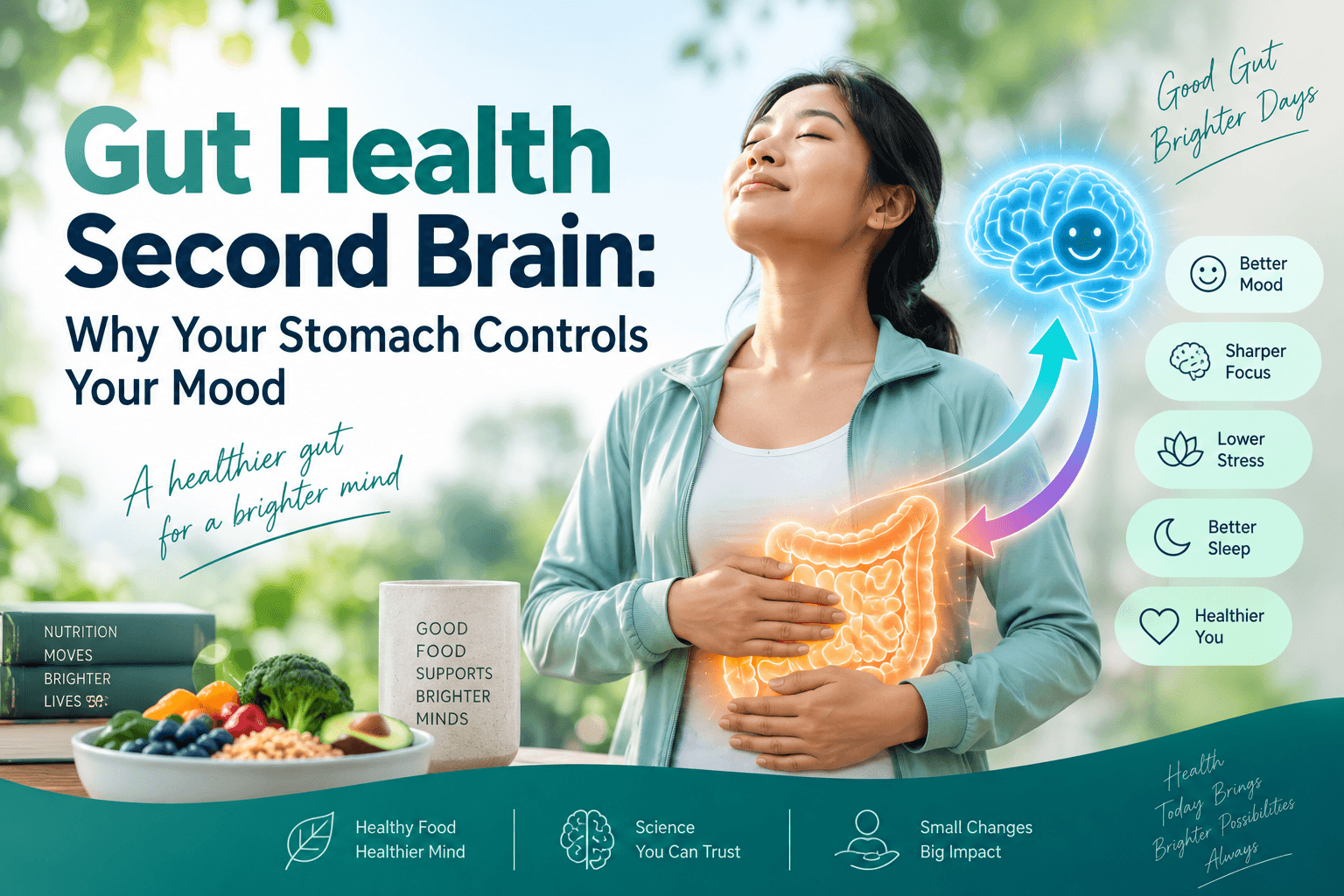
The gut is the only organ with its own independent nervous system—the enteric nervous system—containing over 100 million neurons. This is why it is called the “second brain.” More importantly, the gut and brain are in constant, bidirectional communication via the gut-brain axis, meaning what happens in your stomach directly alters your mood, anxiety levels, and cognitive function. Approximately 70% of your immune cells reside in your gut, making it the largest immune organ in your body.
Key Takeaways
- Your gut contains 100 million neurons and produces 90% of your serotonin—the “happy hormone.”
- The gut-brain axis is a two-way communication highway; poor gut health can trigger anxiety and depression.
- Common signs of an unhealthy gut include bloating, fatigue, skin issues, and mood swings.
- Southeast Asian fermented foods like tempeh, kimchi, and tempoyak can boost gut microbiome diversity by up to 30%.
- Chronic stress disrupts the gut barrier, leading to inflammation that indirectly affects the brain.
Introduction: Why Your Stomach Deserves the Title “Second Brain”
Picture this: You have a big presentation tomorrow, and suddenly your stomach churns. You feel nauseous, maybe even a cramp. That is your second brain talking—and it is not polite. The gut‑brain connection is not a metaphor; it is a biological fact. Your gastrointestinal tract houses an extensive network of neurons (the enteric nervous system) that can operate independently of the central nervous system. In fact, the gut has more neurons than the spinal cord (PubMed).
For Southeast Asian readers, this topic is particularly urgent. Diets rich in white rice and processed foods, combined with high stress levels in urban centres like Singapore, Kuala Lumpur, and Bangkok, have contributed to rising rates of irritable bowel syndrome (IBS), bloating, and mental health struggles. Meanwhile, the region’s traditional fermented foods—once a staple—are being replaced by fast food. This article will explain how the gut-brain axis works, how to spot signs of an unhealthy gut, and how to use Southeast Asian foods and habits to improve both your digestion and your mental well-being.
If you have ever wondered whether your digestive problems are linked to your anxiety, the answer is almost certainly yes. EazyCare AI’s symptom checker can help you explore connections between your gut symptoms and mood. But first, let us dive into the science—and the solutions that work for our region.
The Gut-Brain Axis: How Your Gut Talks to Your Brain
The gut-brain axis is a bidirectional communication system involving the central nervous system (brain and spinal cord) and the enteric nervous system (gut). This axis uses three main pathways: the vagus nerve, the endocrine system (hormones), and the immune system. The vagus nerve acts as a high-speed cable, transmitting signals from the gut directly to brainstem nuclei involved in mood regulation (Harvard Health).
How Information Flows Both Ways
When your gut microbes digest fibre, they produce short-chain fatty acids (SCFAs) like butyrate. These SCFAs travel through the bloodstream to the brain, where they reduce inflammation and support neuroplasticity. Conversely, when you experience stress, your brain releases cortisol, which alters gut motility and increases intestinal permeability—often called “leaky gut.” That leaky gut allows bacterial fragments to enter the bloodstream, triggering systemic inflammation that reaches the brain. This creates a vicious cycle: stress damages the gut, and a damaged gut worsens anxiety.
The vagus nerve is the primary physical connection between gut and brain. Stimulating the vagus nerve through deep breathing, meditation, or even cold exposure can improve gut motility and reduce anxiety. Southeast Asian practices like “brisk walking in the park” or “tai chi” activate this nerve.
Practical takeaway: Anything that calms your mind—deep breathing, prayer, or a warm drink of ginger tea—also calms your gut. The reverse is true: an inflamed gut sends distress signals that keep your brain in fight-or-flight mode.
Gut Health and Mental Health: The Serotonin Connection
Approximately 90% of the body's serotonin—the neurotransmitter that stabilises mood, happiness, and sleep—is produced in the gut, not the brain (PubMed). The gut's enteric cells generate serotonin from the amino acid tryptophan, and this serotonin then influences everything from gut motility to platelet function. Importantly, it also affects brain function indirectly through the vagus nerve and circulating metabolites.
In Southeast Asia, mental health stigma often prevents people from seeking help for anxiety or depression. Instead, they may present to clinics with vague gastrointestinal complaints like “bloating,” “indigestion,” or “loss of appetite.” This is not a coincidence. The connection is so strong that some researchers call the gut a “second brain that influences the first.”
For persistent gut-mood issues, personalized digital mental health therapy can offer targeted support.
For those exploring digital solutions, AI therapy effectiveness is being studied in Southeast Asian populations.
If you're considering professional support, explore online mental health care Southeast Asia options for accessible therapy.
For a more accessible first step, digital mental health Southeast Asia platforms are rapidly expanding.
In Southeast Asia, comparing online mental health therapy and medication can help guide treatment choices.
What the Research Shows
A 2020 meta-analysis in PubMed confirmed that individuals with IBS—a gut disorder—are three times more likely to have anxiety or depression compared to those without IBS (source). Moreover, probiotics have been shown to reduce depressive symptoms in several randomised controlled trials, though the effect size is modest.
"The gut is not just a digestive tube; it is a sensory organ that constantly feeds information to the brain. Disrupting the gut microbiome is like cutting the communication lines between two command centres."
— Dr. Emeran Mayer, author of The Mind-Gut Connection
Practical takeaway: If you have been struggling with low mood or anxiety and also experience bloating, irregular bowel movements, or food intolerance, consider addressing your gut health first. EazyCare AI can help you track your symptoms and identify patterns between food and mood.
Signs of Poor Gut Health: 7 Symptoms You Should Not Ignore
Many people dismiss chronic bloating, gas, or fatigue as “normal.” They are not. The following signs may indicate an imbalance in your gut microbiome—what doctors call dysbiosis:
| Symptom | What it might mean | How common in SEA? |
|---|---|---|
| Chronic bloating or gas | SIBO (small intestinal bacterial overgrowth) or poor fibre digestion | Very common; up to 40% of IBS patients in Asia report bloating |
| Unexplained fatigue | Low nutrient absorption; chronic low-grade inflammation from leaky gut | Often misattributed to “lifestyle” in urban Malaysians and Singaporeans |
| Food intolerances | Lactose intolerance (prevalent in Asia) or histamine intolerance from gut dysbiosis | 70-90% of Southeast Asian adults are lactose intolerant |
| Skin issues | Eczema, acne, or rosacea linked to gut inflammation | Climate worsens skin conditions; gut health often overlooked |
| Mood swings / anxiety | Disrupted serotonin production; vagus nerve signalling altered | Mental health stigma leads to underreporting |
| Frequent infections | 70% of immune cells are in the gut; dysbiosis weakens immunity | Especially relevant during monsoon season |
| Unintentional weight changes | Malabsorption or altered appetite hormones (ghrelin, leptin) | Often linked to overconsumption of refined carbs in SEA |
If you have blood in your stool, unexplained weight loss, or severe abdominal pain that wakes you at night, do not assume it is “just gut health.” See a doctor immediately.
Practical takeaway: Keep a food-mood diary for two weeks. Note what you eat, your bowel movements, your energy level, and your anxiety score (1-10). Patterns will emerge. EazyCare AI’s chat tool can help you analyse these patterns.
How to Improve Gut Health Naturally: A Southeast Asian Diet Strategy
Improving your gut microbiome does not require expensive supplements or exotic ingredients. Southeast Asia already has a rich tradition of fermented foods that promote microbial diversity. A 2021 study in PubMed found that regular consumption of fermented foods like tempeh, kimchi, and miso increased gut microbiome diversity by up to 30% (source).
Top 5 Gut-Boosting Foods Readily Available in Southeast Asia
- Tempeh — Fermented soybeans rich in prebiotics and probiotics. Unlike tofu, tempeh contains live cultures. Fry, steam, or add to soups.
- Kimchi — Korean fermented cabbage, now widely available in Malaysia and Singapore. Contains Lactobacillus bacteria that survive gastric acid.
- Tempoyak — Fermented durian. A traditional Malay condiment packed with beneficial lactobacilli. Start with a small spoonful if you are new to it.
- Belacan — Fermented shrimp paste. Use sparingly in sambals and stir-fries. It provides diverse bacteria and umami flavour.
- Yogurt / Kefir — Plain, unsweetened versions are best. Many local brands now offer live-culture dairy and non-dairy options.
Add one fermented food daily. Start with 1–2 tablespoons of kimchi or tempeh. Gradually increase to avoid gas.
Eat 30 different plant foods per week. Fibre diversity feeds diverse gut bacteria. Think local: kangkung, ulam-ulam, bitter gourd, bananas.
Reduce processed white rice. Replace half with brown rice, quinoa, or sweet potato. The fibre feeds good bacteria.
Limit sugary drinks and fried foods. These feed pathogenic bacteria and increase leaky gut. Opt for ginger tea or sugar-free kombucha.
Practical takeaway: The easiest shift is swapping your morning white rice breakfast for a tempeh and vegetable stir-fry with brown rice. Within two weeks, you may notice less bloating and more stable energy.
Probiotics for Gut Health: Do You Need a Supplement?
Probiotics are live microorganisms that confer a health benefit when consumed in adequate amounts. The gut microbiome consists of around 100 trillion microorganisms (source). When this ecosystem is disrupted—by antibiotics, poor diet, or stress—probiotics can help restore balance.
However, not all probiotics are equal. In Southeast Asia, many commercial probiotic drinks contain high amounts of sugar, which may negate benefits. Look for products with at least 10 billion CFUs per serving and specific strains like Lactobacillus rhamnosus GG or Bifidobacterium longum that have evidence for mood improvement.
Food sources are generally superior to supplements because they contain prebiotics (fibre) that help probiotics survive. Fermented foods are nature's probiotic multivitamin.
Practical takeaway: If you choose to supplement, take it consistently for at least 4 weeks. Monitor changes in bowel habits and mood. EazyCare AI can remind you to take your probiotic and log your symptoms.
Stress and Gut Health Connection: How Chronic Stress Wrecks Your Microbiome
Chronic stress is one of the most powerful disruptors of the gut microbiome. When you are stressed, your adrenal glands release cortisol, which reduces gut blood flow, slows peristalsis, and increases intestinal permeability. In a study of medical students, exam periods were associated with a significant decrease in beneficial Lactobacillus and Bifidobacterium species (NIH).
In Southeast Asian urban centres, long working hours, traffic jams, and financial pressures create a perfect storm. Many people turn to high-sugar comfort foods, which further feed pathogenic bacteria. The result is a gut-brain loop that worsens both digestion and mood.
For persistent gut-brain issues, explore digital therapeutics for chronic insomnia in Southeast Asia as a complementary approach.
For those with persistent weight issues, GLP-1 medications for weight loss may help regulate appetite.
Since chronic stress can also raise blood pressure, understanding blood pressure numbers is key to managing your overall health.
3 Stress-Management Techniques That Directly Benefit the Gut
- Deep belly breathing (5 minutes, twice daily) — Activates the vagus nerve, improving gut motility and reducing cramping.
- Mindful eating — Chew each mouthful 20 times. Eating on the run triggers a sympathetic (fight-or-flight) response that impairs digestion.
- Early dinner (at least 3 hours before bed) — Allows the gut to complete its migrating motor complex, a cleansing wave that prevents SIBO.
Practical takeaway: Do not underestimate the power of a 10-minute walk after dinner. It helps move food through your digestive tract and lowers cortisol.
Poor sleep disrupts this gut-brain loop, so watch for signs your body needs more sleep.
Frequently Asked Questions
What is the gut-brain axis?
The gut-brain axis is the bidirectional communication network between the central nervous system (brain and spinal cord) and the enteric nervous system (gut). It involves the vagus nerve, hormones, immune signals, and microbial metabolites. Through this axis, changes in gut bacteria can influence mood, cognition, and stress responses, and vice versa.
How does gut health affect your mood?
The gut produces up to 90% of your body's serotonin, a neurotransmitter that regulates mood, sleep, and appetite. When the gut microbiome is imbalanced (dysbiosis), serotonin production is altered, and inflammatory molecules can enter the brain. This connection explains why bloating often comes with irritability, and why probiotics sometimes improve depressive symptoms. EazyCare AI's symptom checker can help you assess if your gut health is affecting your mood.
Can poor gut health cause anxiety or depression?
Yes. Multiple large studies have found that individuals with IBS or other gut disorders have a 2- to 3-fold higher risk of anxiety and depression. The mechanisms include reduced serotonin, increased inflammation, and altered vagus nerve signalling. Treating the gut—through diet, probiotics, or stress reduction—can improve mental health outcomes, though it is not a replacement for therapy or medication when needed.
What foods are best for improving gut health?
Fermented foods (tempeh, kimchi, yogurt, kombucha) provide live probiotics. High-fibre plant foods (bananas, oats, leafy greens, ulam-ulam) act as prebiotics that feed good bacteria. Southeast Asia offers many affordable options: tempeh goreng, sayur lodeh, and papaya. Avoid processed foods, excess sugar, and artificial sweeteners, which harm the microbiome. EazyCare AI can suggest local recipes tailored to your health needs.
Is the stomach really a 'second brain'?
Not literally, but the term captures an important truth. The gut has its own nervous system with over 100 million neurons—more than the spinal cord. It can operate independently of the brain, process sensory information, and even influence behaviour. Many clinicians now consider the gut a “second brain” because of this autonomy and its profound impact on mental health.
How can I improve my gut health naturally?
Start with four interventions: 1) Eat one serving of fermented food daily. 2) Eat 30 different plant types per week. 3) Manage stress with deep breathing or walking. 4) Sleep at least 7 hours—sleep deprivation reduces microbial diversity. Avoid antibiotics unless prescribed, and limit alcohol. EazyCare AI's chat can help you create a personalised gut health plan.
What are common symptoms of an unhealthy gut?
The most common symptoms are chronic bloating, gas, constipation or diarrhoea, heartburn, food intolerances, brain fog, fatigue, and skin problems (acne, eczema). Also watch for recurrent infections and unexplained mood swings. If you have any of these for more than two weeks, consider a gut health check. Use EazyCare AI's symptom checker to log your concerns.
Does the gut microbiome influence brain function?
Yes. The microbiome produces neurotransmitters (GABA, dopamine, serotonin) and metabolites that cross the blood-brain barrier or affect the vagus nerve. Studies show that transplanting gut bacteria from depressed humans into rats induces depressive behaviour in the animals. This suggests a causal link. Eating a diverse, fibre-rich diet supports a healthy microbiome that benefits brain function.
What are the best probiotics for gut health?
Look for strains with clinical evidence: Lactobacillus rhamnosus GG (mood and IBS), Bifidobacterium longum (anxiety reduction), and Saccharomyces boulardii (traveller's diarrhoea). Choose a product with at least 10 billion CFUs and no added sugar. However, food sources (tempeh, kimchi) are often more beneficial because they also contain prebiotics. Always consult a doctor before starting probiotics if you are immunocompromised.
How does chronic stress impact gut health?
Stress triggers the release of cortisol, which reduces gut blood flow, slows digestion, increases intestinal permeability (leaky gut), and alters the composition of gut bacteria. Over time, this can lead to IBS, SIBO, and chronic inflammation. Conversely, gut inflammation can worsen stress perception, creating a feedback loop. Managing stress is as important as diet for gut health. EazyCare AI can help you track both stress levels and gut symptoms.
When to See a Doctor
While many gut issues can be addressed through diet and lifestyle, certain symptoms require immediate medical attention:
Chest pain can also signal serious conditions; understanding chest pain causes is crucial for Southeast Asians.
- Blood in stool (bright red or black/tarry)
- Unexplained weight loss (more than 5% of body weight in 6 months)
- Severe or persistent abdominal pain, especially if it wakes you at night
- Persistent diarrhea or vomiting leading to dehydration
- Jaundice (yellowing of eyes or skin)
- Fever associated with abdominal pain
If you experience any of the above, please see a general practitioner (GP) or visit a clinic. In an emergency—for example, severe bleeding or extreme pain—call 999 (Malaysia/Singapore) or 119 (Indonesia) immediately.
If you are unsure, EazyCare AI can help you decide whether you need urgent care by assessing your symptoms and risk factors.
Conclusion
The concept of the gut as a “second brain” is not hyperbole—it is a biological reality with real implications for your health. Here are the three most important takeaways:
- Your gut controls more than digestion. It produces 90% of your serotonin, houses 70% of your immune cells, and communicates directly with your brain via the vagus nerve.
- Signs of an unhealthy gut—bloating, fatigue, mood swings—are not normal. They can be addressed by adding traditional Southeast Asian fermented foods, eating a diverse plant-based diet, and managing stress.
- If you experience red-flag symptoms like blood in stool or severe pain, do not self-treat. Seek medical evaluation promptly. EazyCare AI can help you screen your symptoms and decide on next steps.
Your gut health journey does not need to be expensive or complicated. Start today with a single serving of tempeh, a 10-minute walk after dinner, and a commitment to mindful eating. Learn more at eazycare.ai or chat with our AI health assistant for personalised guidance.