Telehealth & Online Doctor Consultations in Southeast Asia
Virtual care removed the waiting room, but it did not remove the clinical judgement about when remote care is appropriate. This hub covers online doctor consultations across Southeast Asia: how virtual therapy and physical therapy compare with in-person care, what they cost country by country, the connectivity and privacy realities of the region, and the presentations that still need someone in the room.

Online Doctor Consultation Malaysia: Complete Guide 2026
Online doctor consultations in Malaysia offer a convenient way to access medical care. This guide covers safety, costs, MC validity, prescription rules, and how to choose a legitimate telemedicine provider.

Online Insomnia Treatment: Can Digital Programs Replace Sleeping Pills?
Online insomnia treatment using digital cognitive behavioral therapy (CBT-I) is as effective as face-to-face therapy and outperforms sleeping pills for long-term sleep maintenance. In Malaysia, where 30% of adults struggle with insomnia, digital programs offer a scalable, evidence-based alternative. This article reviews the data, compares local options, and explains when to see a doctor.

Best Online Therapy Platforms 2025 Southeast Asia: 9 Things to Check
Online therapy works—but only if you choose the right platform. This guide covers the 9 non-negotiables for Southeast Asian users, from PDPA compliance to local payment methods.
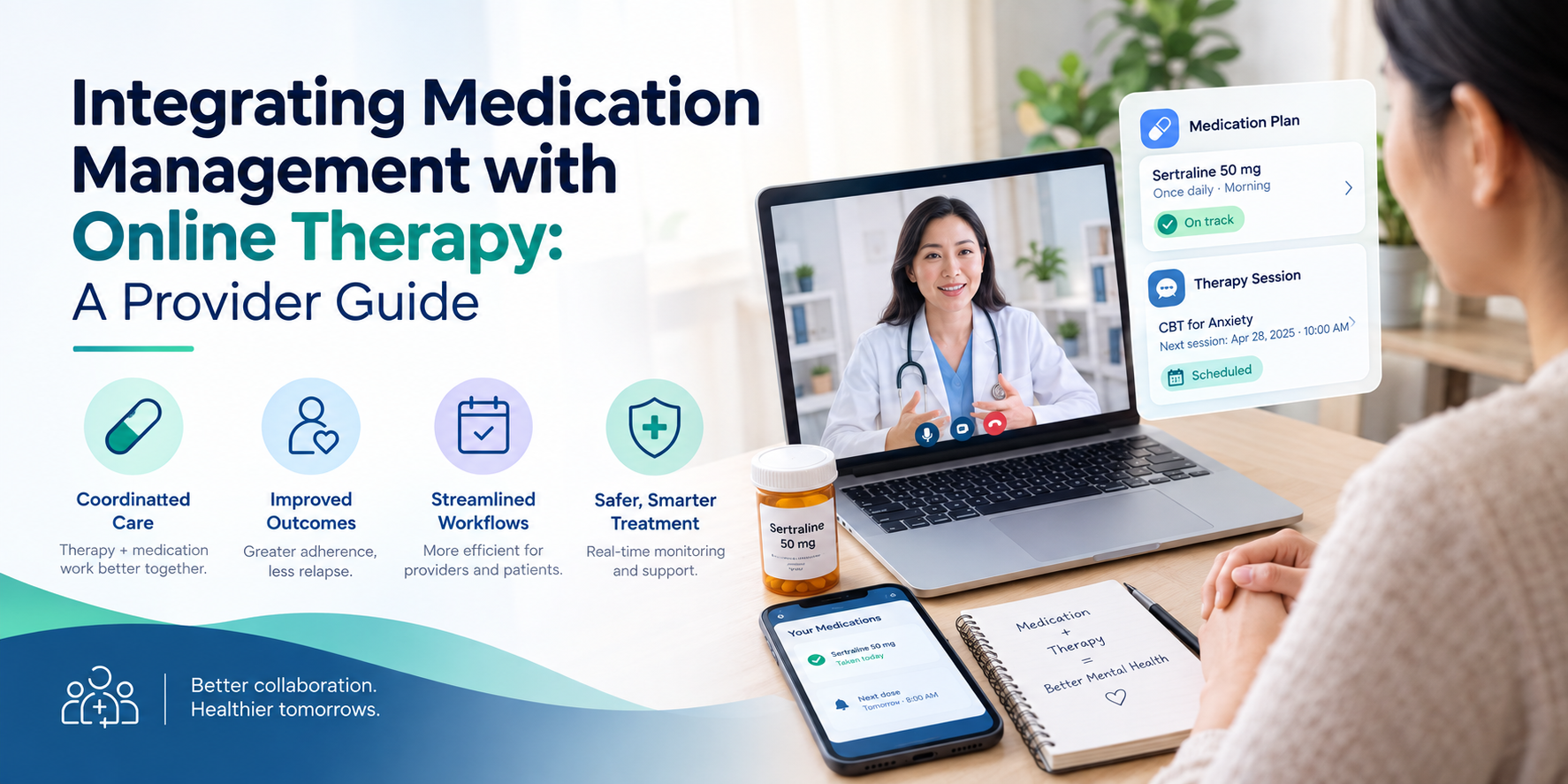
Integrating Medication Management with Online Therapy: A Provider Guide
Integrating medication management with online therapy improves outcomes by up to 45% in collaborative care models. This guide covers practical workflows, Malaysian MOH regulations, and safety protocols for Southeast Asian providers.

Digital Hypertension Management Southeast Asia: 2025 Guide
Only one-third of Southeast Asians with hypertension have controlled blood pressure. Digital tools—remote monitoring, telehealth coaching, and mobile apps—can close this gap by 5–10 mmHg, but only when adapted to regional realities like low digital literacy and high-sodium diets.

The Future of Telehealth in Malaysia: What Patients Need to Know
Telehealth in Malaysia is entering a new phase beyond pandemic novelty. With the National Telehealth Policy (2022), AI-powered triage, and evolving insurance coverage, patients can now access safe, regulated virtual care. Learn what changes matter most and how to navigate them.

Personalized Digital Mental Health: Tailoring Therapy to You
Personalized digital mental health therapy adapts treatment content, pacing, and feedback to your unique profile. Over 60% of users prefer personalized over generic advice. This guide covers how AI personalizes care, cultural adaptation in Malaysia and Singapore, privacy risks, and how to choose the right app.

Diabetes Reversal Through Virtual Care: What the Science Says
Virtual care programs combining continuous glucose monitoring, remote coaching, and structured weight management can reverse type 2 diabetes in up to 46% of patients. Here’s what the evidence shows for Southeast Asia.

Digital Therapeutics for Substance Use Disorder in Southeast Asia
Digital therapeutics for substance use disorder (SUD) are transforming addiction recovery. In Southeast Asia, mobile apps and online cognitive behavioral therapy show 30-50% relapse reduction, but face barriers like low digital literacy, stigma, and limited integration with public healthcare. This article covers the evidence, regional challenges, and practical steps to access app-based treatment.

How Digital Health Platforms Improve Work-Life Balance for Clinicians
Digital health platforms cut administrative tasks by 30%, giving clinicians 2.5 extra hours per week. Telemedicine, remote monitoring, and AI scheduling reduce overtime by 22%. Yet only 35% of Southeast Asian clinicians report improved balance—due to infrastructure gaps and cultural resistance. This article examines region-specific solutions and barriers.

Can AI Replace a Doctor? What AI Healthcare Can and Can't Do
Artificial intelligence is transforming medicine, but can it replace a doctor? This evidence-based analysis examines AI diagnostic accuracy, the irreplaceable human elements of care, and the critical gaps in local validation and policy that matter for Southeast Asian patients and clinicians.
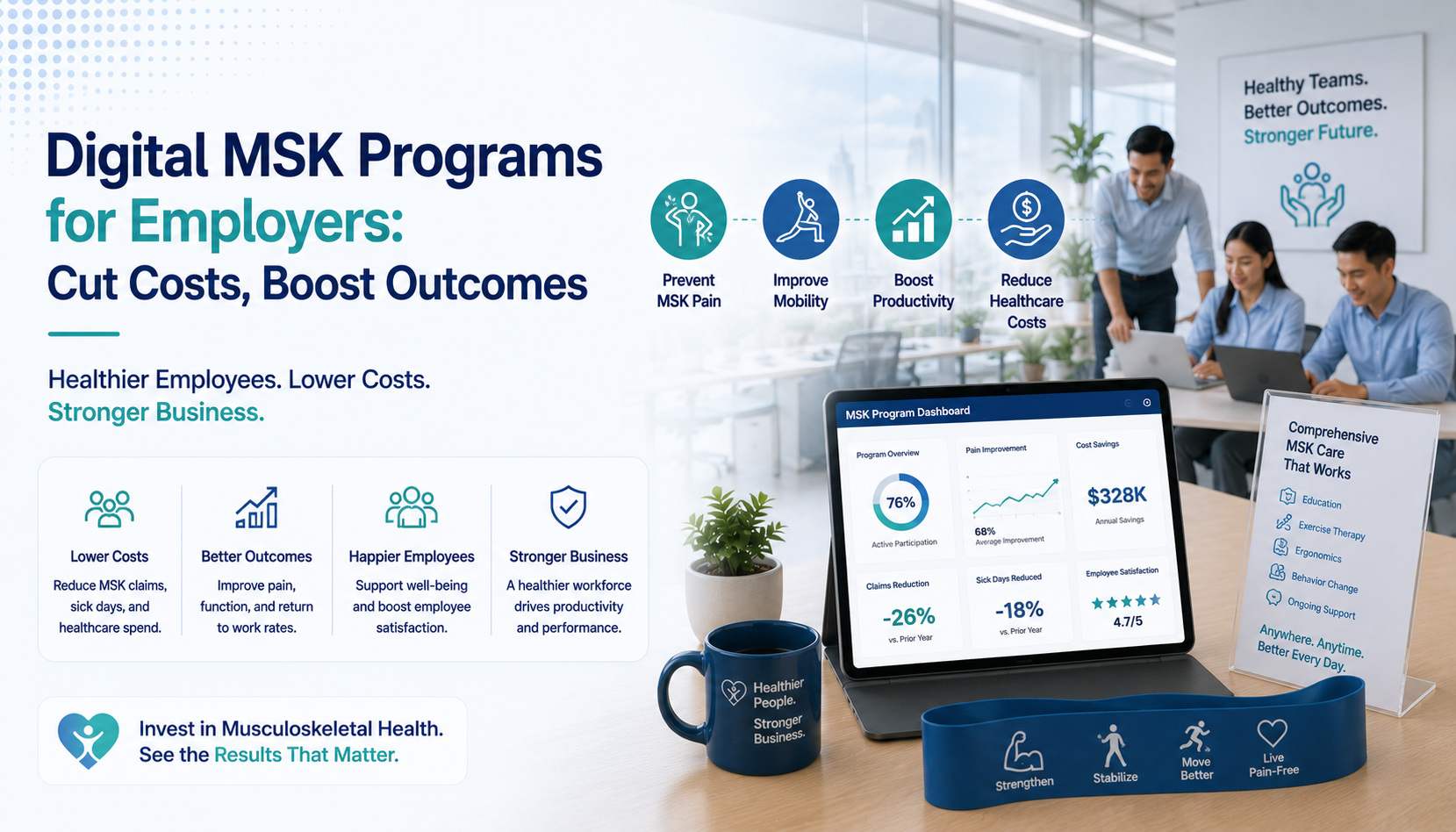
Digital MSK Programs for Employers: Cut Costs, Boost Outcomes
Musculoskeletal (MSK) disorders affect 1.71 billion people globally and cost employers thousands per employee annually. Digital MSK programs reduce costs by 20–30%, cut pain-related productivity loss by 40%, and improve work performance by 60% within 12 weeks. This guide covers the evidence, ROI, and implementation for Southeast Asian employers.

Digital Health Programs Adherence Health Goals: A Clinician's Guide
Digital health programs improve medication adherence by 15–30% and reduce noncommunicable disease risks by up to 20%. This guide explains how mHealth apps, wearables, and gamification work in Southeast Asia, addressing cultural barriers and integration with traditional medicine.

Digital Physical Therapy Southeast Asia: Personalized Pain Care Online
Digital physical therapy in Southeast Asia is transforming pain care. AI-powered apps personalize exercises for back pain, chronic conditions, and more. Learn how telerehabilitation works, its effectiveness, and what you need to get started.
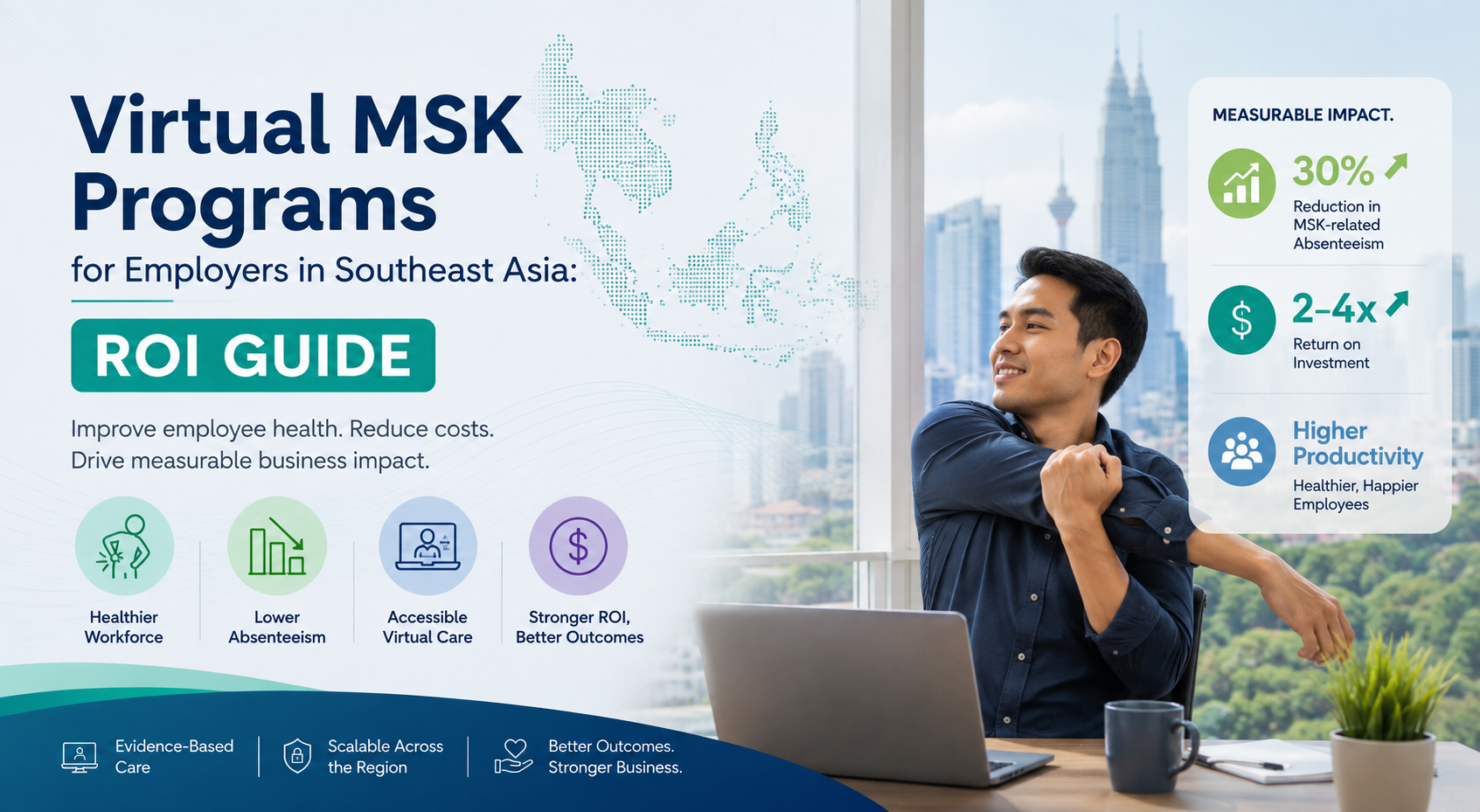
Virtual MSK Programs for Employers in Southeast Asia: ROI Guide
Musculoskeletal disorders cost Southeast Asian employers billions in lost productivity. Virtual MSK programs deliver 3:1 ROI by reducing absenteeism, presenteeism, and claims. This guide provides region-specific data, implementation challenges, and a business case tailored for SEA companies.
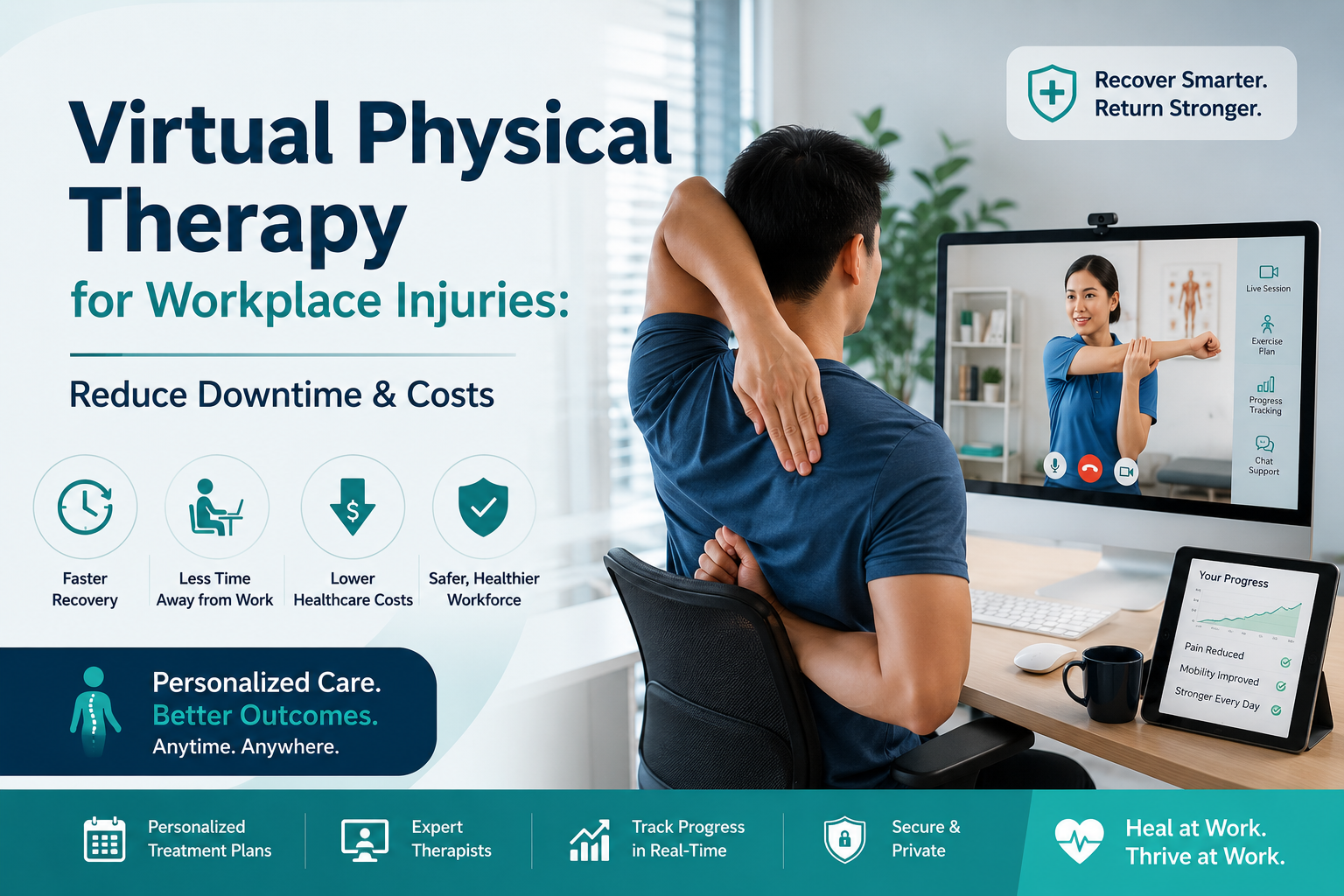
Virtual Physical Therapy for Workplace Injuries: Reduce Downtime & Costs
Virtual physical therapy for workplace injuries reduces lost work days by 40% and cuts medical costs by up to 30%. Learn how telerehabilitation works, what conditions it treats best, and how Southeast Asian employers can implement it.

Digital Mental Health in Southeast Asia: The Complete Guide
Digital mental health is expanding across Southeast Asia, but uptake lags behind need. This guide covers online therapy, telepsychiatry, and apps in Malaysia, Indonesia, Singapore, Philippines, Thailand, and Vietnam—addressing cost, privacy, stigma, and how to choose a trustworthy platform.

Digital Coaching Chronic Disease Management: Best Devices & Strategies
Chronic diseases cause 8.5 million deaths yearly in Southeast Asia. Digital coaching combined with smart devices can reduce HbA1c by 0.5% and improve blood pressure control. This guide reveals low-cost strategies for patients in Malaysia, Indonesia, and Thailand.

Online Mental Health Therapy vs Medication Management in Southeast Asia
Online mental health therapy and medication management offer distinct paths for treating anxiety and depression in Southeast Asia. This guide compares effectiveness, access, cultural stigma, and cost, helping you decide which approach—or combination—works best for your situation.

Connected Devices for Chronic Disease Management in Southeast Asia
Chronic diseases cause 60% of deaths in Southeast Asia. Connected devices—from smart glucometers to wearable BP monitors—offer a lifeline, but adoption lags due to cost, digital literacy, and infrastructure gaps. This guide provides actionable, region-specific advice for patients, families, and clinicians.

Online Mental Health Care in Southeast Asia: Is Virtual Therapy Right for You?
Online mental health care is expanding rapidly in Southeast Asia, but treatment gaps exceed 70% in many countries. This article compares virtual therapy vs in-person care, examines costs, privacy risks, and regulatory differences across Malaysia, Indonesia, and Thailand, and provides actionable guidance for choosing the right platform.

Digital Therapeutics for Chronic Insomnia in Southeast Asia
Chronic insomnia affects 1 in 3 adults in Southeast Asia. Digital therapeutics—specifically digital CBT-I—offer a clinically proven, scalable alternative to sleeping pills and face-to-face therapy. This article reviews the evidence, regulatory landscape, and practical steps for patients in Malaysia, Singapore, Thailand, and Indonesia.
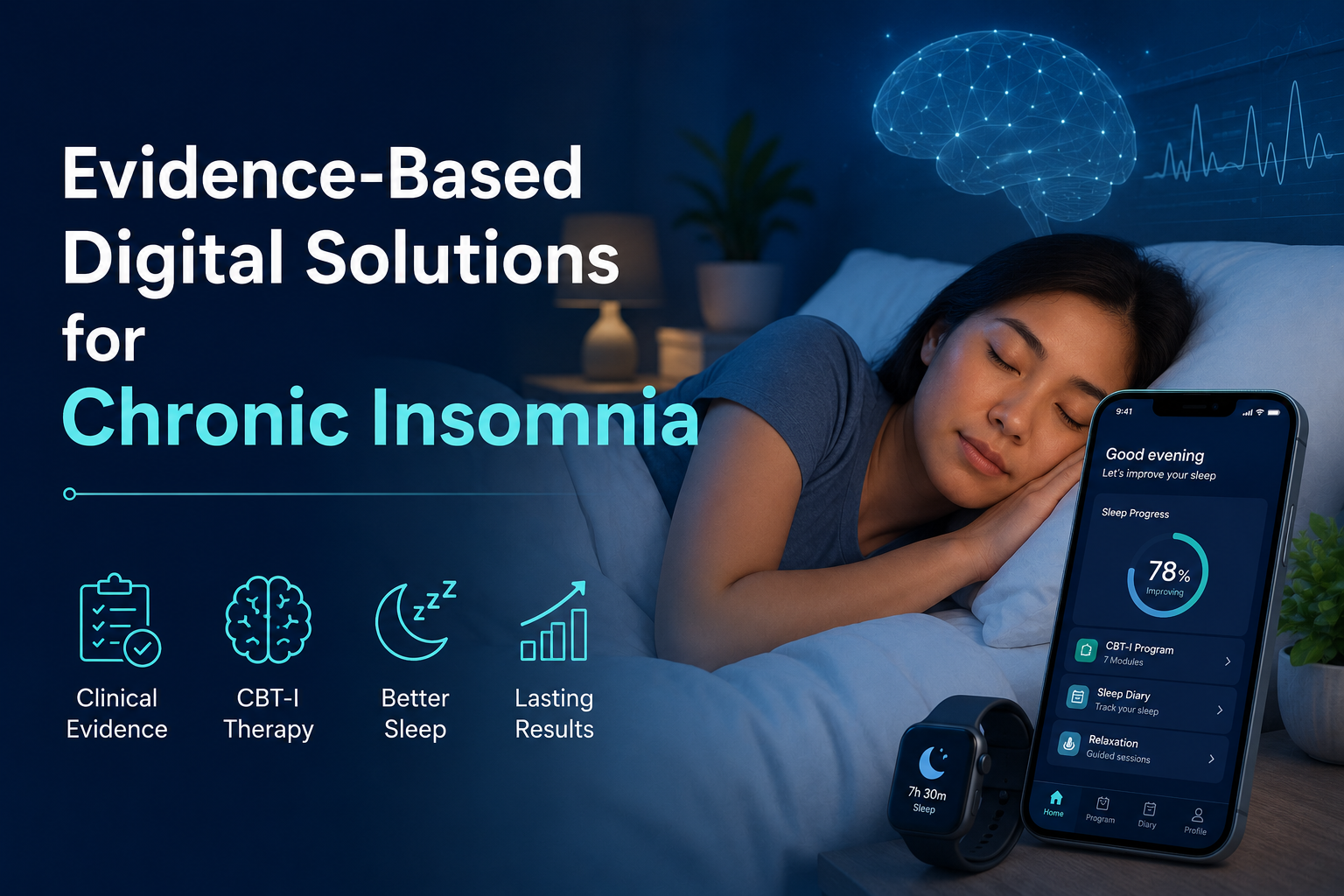
Evidence-Based Digital Solutions for Chronic Insomnia
Chronic insomnia affects 1 in 5 adults in Southeast Asia, yet fewer than 10% receive non-drug treatment. Evidence-based digital cognitive behavioral therapy (dCBT-I) reduces insomnia severity by 50% and works as well as face-to-face therapy. Learn how to choose the right app and integrate it into your routine.

Virtual Physical Therapy for Musculoskeletal Pain: Is It Right for You?
Virtual physical therapy can be as effective as in-person care for many musculoskeletal conditions, with pain reductions averaging 40%. This guide covers conditions, costs, equipment needs, and insurance coverage in Malaysia and Southeast Asia, including the emerging role of AI-guided rehabilitation.
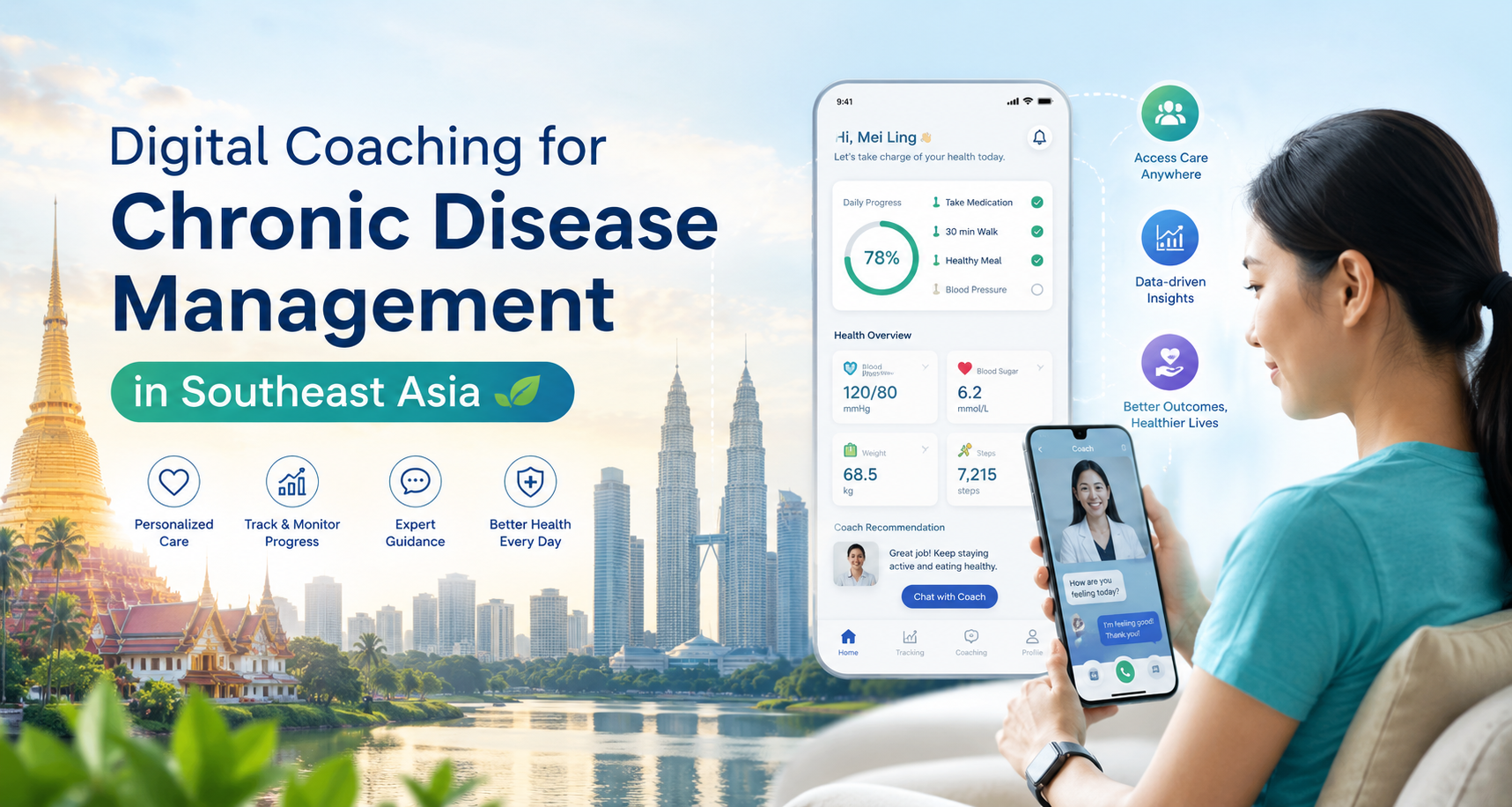
Digital Coaching for Chronic Disease Management in Southeast Asia
Digital coaching for chronic disease management can improve HbA1c by 0.5% and medication adherence by 28%. But in Southeast Asia, low digital literacy and rural access gaps demand a different approach. This guide provides actionable steps for patients and families.
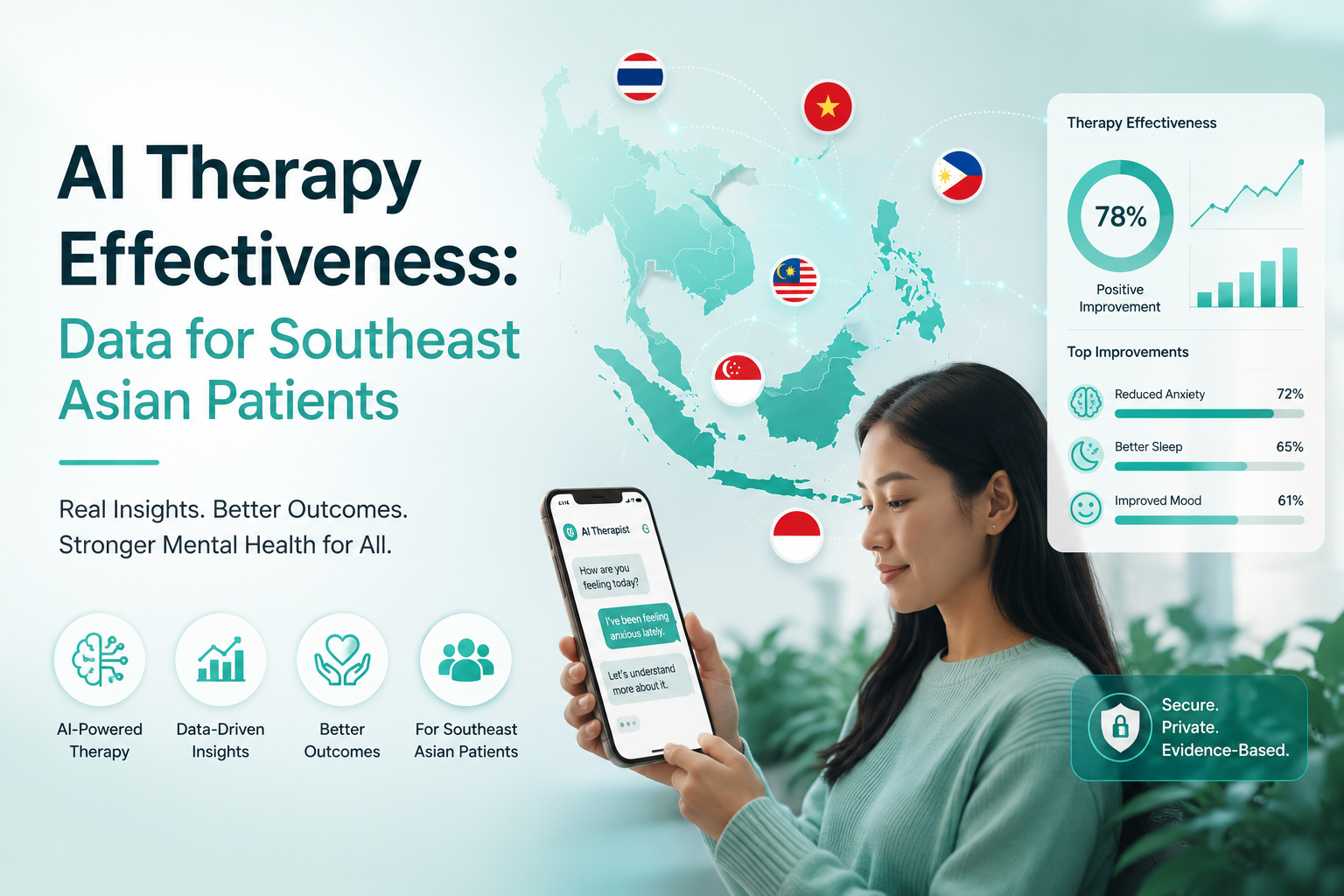
AI Therapy Effectiveness: Data for Southeast Asian Patients
AI therapy is gaining traction in Southeast Asia, but does it work? This article examines clinical evidence, risks, and cultural considerations for patients in Malaysia, Singapore, and Thailand. We review the data on AI chatbot therapy for depression and anxiety, compare it to human therapists, and provide region-specific guidance on choosing the right platform.
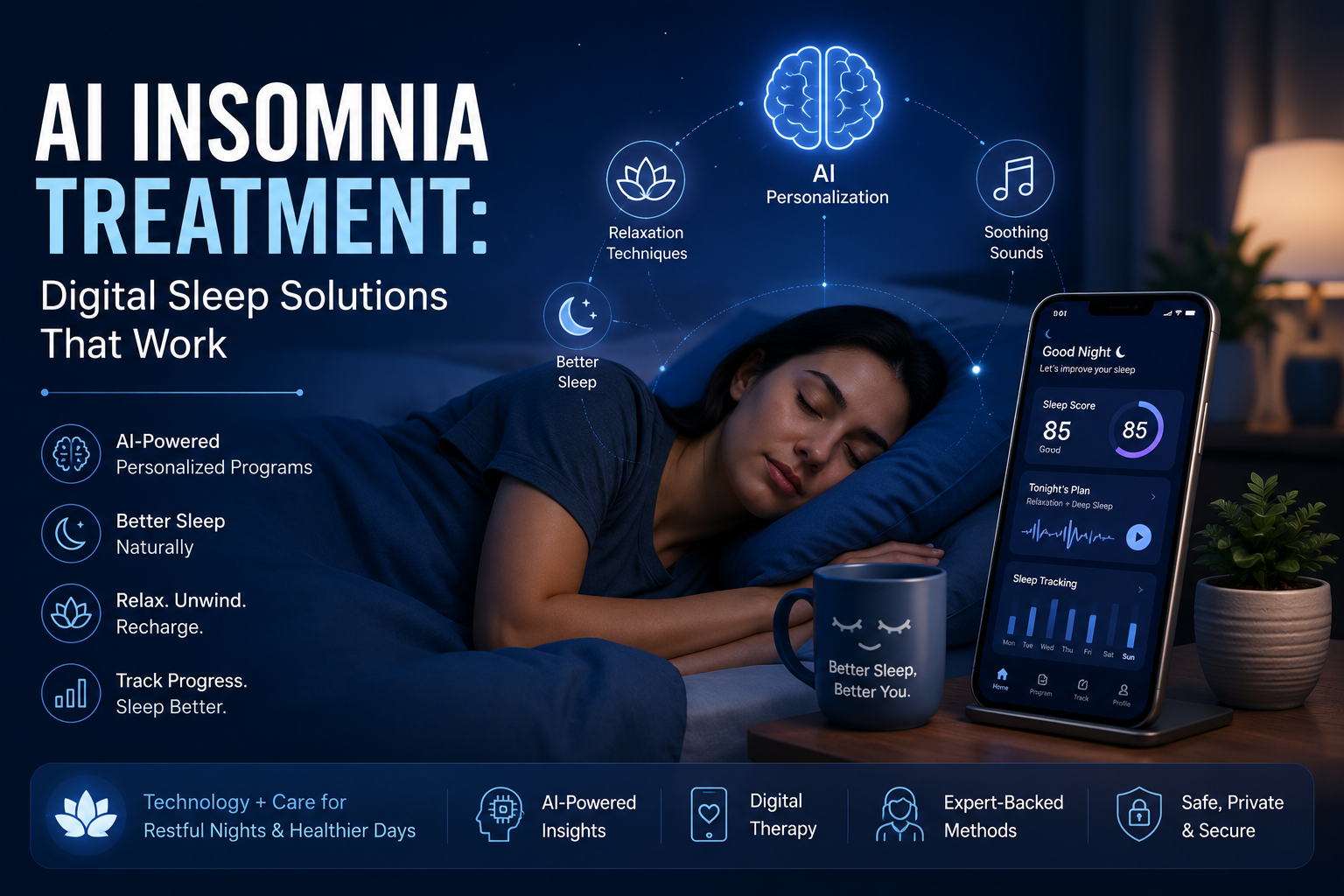
AI Insomnia Treatment: Digital Sleep Solutions That Work
AI insomnia treatment uses machine learning and cognitive behavioral therapy techniques to improve sleep. This article reviews digital sleep solutions, their effectiveness, risks, and whether they can replace traditional therapy. Includes specific data for Malaysia and Southeast Asia.