Health Tips That Actually Help
Expert guides on symptoms, mental wellness, AI healthcare, and staying healthy in Southeast Asia. No jargon. No fear. Just facts.

Digital Coaching Chronic Disease Management: Best Devices & Strategies
Chronic diseases cause 8.5 million deaths yearly in Southeast Asia. Digital coaching combined with smart devices can reduce HbA1c by 0.5% and improve blood pressure control. This guide reveals low-cost strategies for patients in Malaysia, Indonesia, and Thailand.

How to Read Blood Test Results in Plain English: A Step-by-Step Guide
Blood test results don't need to be confusing. This plain-English guide walks you through the most common tests—CBC, lipid panel, glucose, LFTs—with local reference ranges for Malaysia and Singapore. Learn what each number means, what 'normal' really depends on, and exactly what to do when a result is flagged.
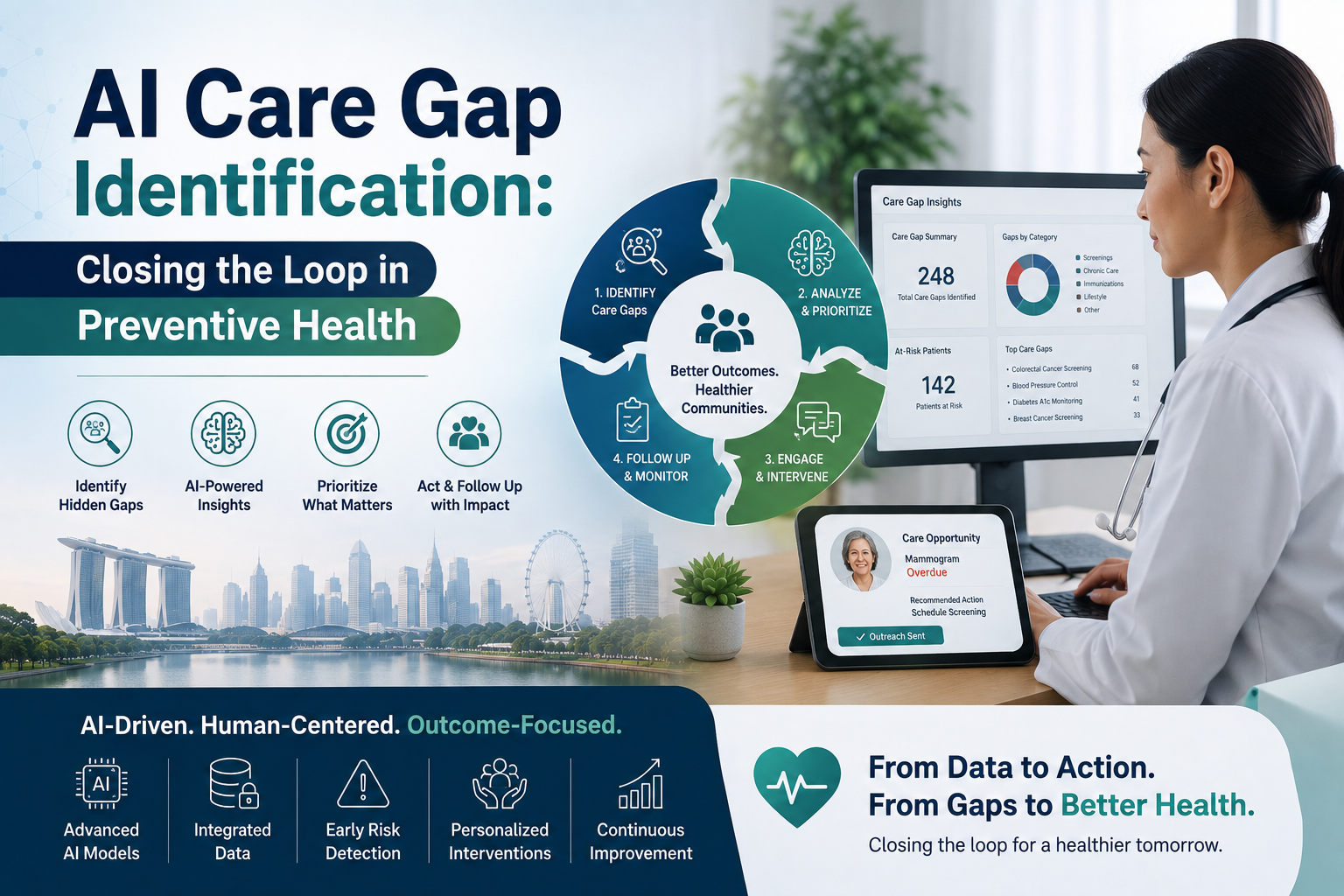
AI Care Gap Identification: Closing the Loop in Preventive Health
AI-powered care gap identification finds the missing preventive services that lead to chronic disease. In Southeast Asia, where only 30% of diabetes cases are diagnosed, AI tools can boost screening completion by 20–30% and reduce avoidable deaths. This article explains how the technology works, the data it needs, and the challenges of integrating with regional health systems like Malaysia's MySejahtera.

AI in Medical Coding and Billing: Reducing Revenue Leakage
Revenue leakage costs healthcare providers 5–10% of net annual revenue due to coding errors and claim denials. AI-powered medical coding cuts human error rates by 80% and speeds reimbursement cycles. This article examines how Southeast Asian clinics and hospitals can deploy AI to plug revenue gaps.

Online Mental Health Therapy vs Medication Management in Southeast Asia
Online mental health therapy and medication management offer distinct paths for treating anxiety and depression in Southeast Asia. This guide compares effectiveness, access, cultural stigma, and cost, helping you decide which approach—or combination—works best for your situation.

Connected Devices for Chronic Disease Management in Southeast Asia
Chronic diseases cause 60% of deaths in Southeast Asia. Connected devices—from smart glucometers to wearable BP monitors—offer a lifeline, but adoption lags due to cost, digital literacy, and infrastructure gaps. This guide provides actionable, region-specific advice for patients, families, and clinicians.

Skin Changes That Signal Health Problems: 9 Warning Signs
Not every skin change is cosmetic. Up to 33% of people with type 2 diabetes develop skin manifestations. Yellow skin, dark patches, and chronic itching can signal liver disease, thyroid disorders, or even cancer. This guide helps you distinguish benign changes from red flags — with a focus on conditions prevalent in Southeast Asia.

Online Mental Health Care in Southeast Asia: Is Virtual Therapy Right for You?
Online mental health care is expanding rapidly in Southeast Asia, but treatment gaps exceed 70% in many countries. This article compares virtual therapy vs in-person care, examines costs, privacy risks, and regulatory differences across Malaysia, Indonesia, and Thailand, and provides actionable guidance for choosing the right platform.

Digital Therapeutics for Chronic Insomnia in Southeast Asia
Chronic insomnia affects 1 in 3 adults in Southeast Asia. Digital therapeutics—specifically digital CBT-I—offer a clinically proven, scalable alternative to sleeping pills and face-to-face therapy. This article reviews the evidence, regulatory landscape, and practical steps for patients in Malaysia, Singapore, Thailand, and Indonesia.

AI Closing Care Gaps in Healthcare: A Clinician's Guide
AI-driven clinical decision support systems reduce care gaps in diabetes management by 24%. In Southeast Asia, where noncommunicable diseases cause 60% of deaths, AI can identify missed screenings and treatments. This guide covers how AI works, real-world examples, regional challenges, and ethical considerations.
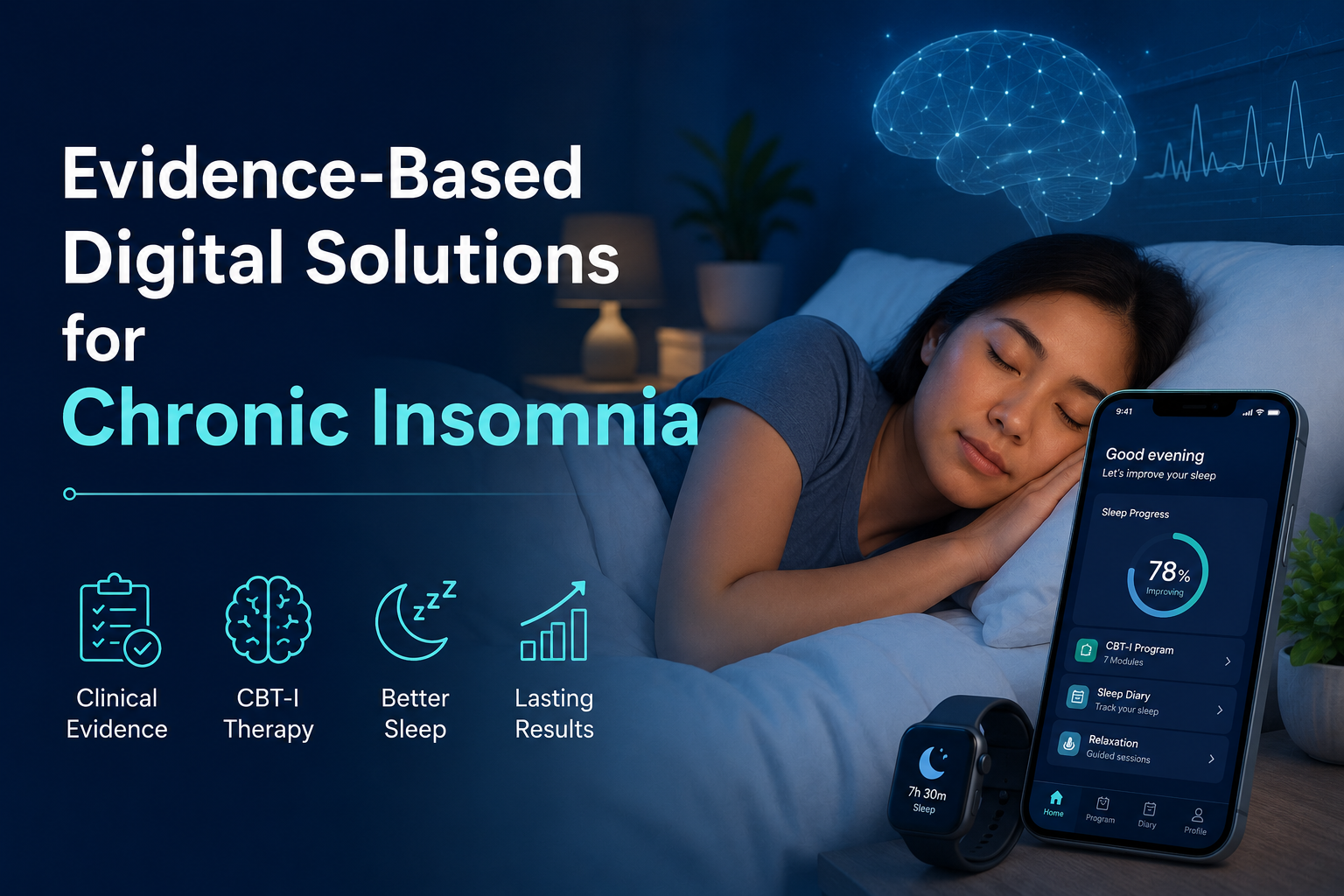
Evidence-Based Digital Solutions for Chronic Insomnia
Chronic insomnia affects 1 in 5 adults in Southeast Asia, yet fewer than 10% receive non-drug treatment. Evidence-based digital cognitive behavioral therapy (dCBT-I) reduces insomnia severity by 50% and works as well as face-to-face therapy. Learn how to choose the right app and integrate it into your routine.

Chest Pain Causes: What Every Southeast Asian Must Know
Chest pain is one of the most common reasons for emergency visits, yet up to 60% of cases are non-cardiac. This article helps Southeast Asian patients differentiate heart attack from anxiety, GERD, and costochondritis using local data and practical steps.