Health Tips That Actually Help
Expert guides on symptoms, mental wellness, AI healthcare, and staying healthy in Southeast Asia. No jargon. No fear. Just facts.
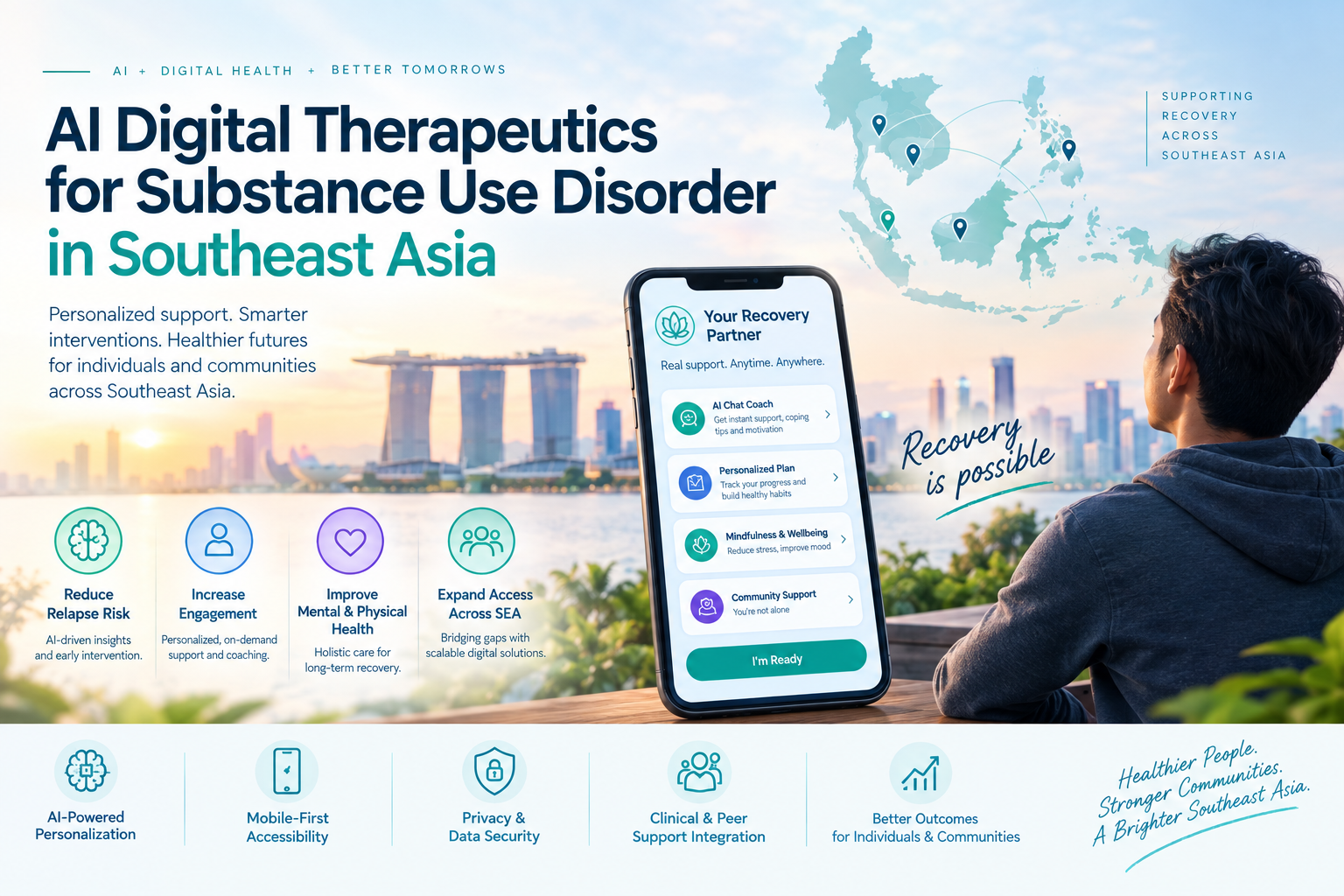
AI Digital Therapeutics for Substance Use Disorder in Southeast Asia
Digital therapeutics for substance use disorder (SUD) combine AI and evidence-based interventions to reduce relapse rates by up to 30%. In Southeast Asia, low digital literacy, regulatory gaps, and cultural stigma create unique challenges, but tailored AI solutions are emerging to bridge access gaps.

Virtual Diabetes Reversal Program Clinician Guide for Southeast Asia
A virtual diabetes reversal program combines telehealth, dietary modification, and continuous glucose monitoring to achieve remission of type 2 diabetes. This guide covers Southeast Asian-specific protocols, regulatory frameworks, and outcome metrics for clinicians implementing or evaluating such programs.

Digital Therapeutics for Substance Use Disorder in Southeast Asia
Digital therapeutics for substance use disorder (SUD) are transforming addiction recovery. In Southeast Asia, mobile apps and online cognitive behavioral therapy show 30-50% relapse reduction, but face barriers like low digital literacy, stigma, and limited integration with public healthcare. This article covers the evidence, regional challenges, and practical steps to access app-based treatment.
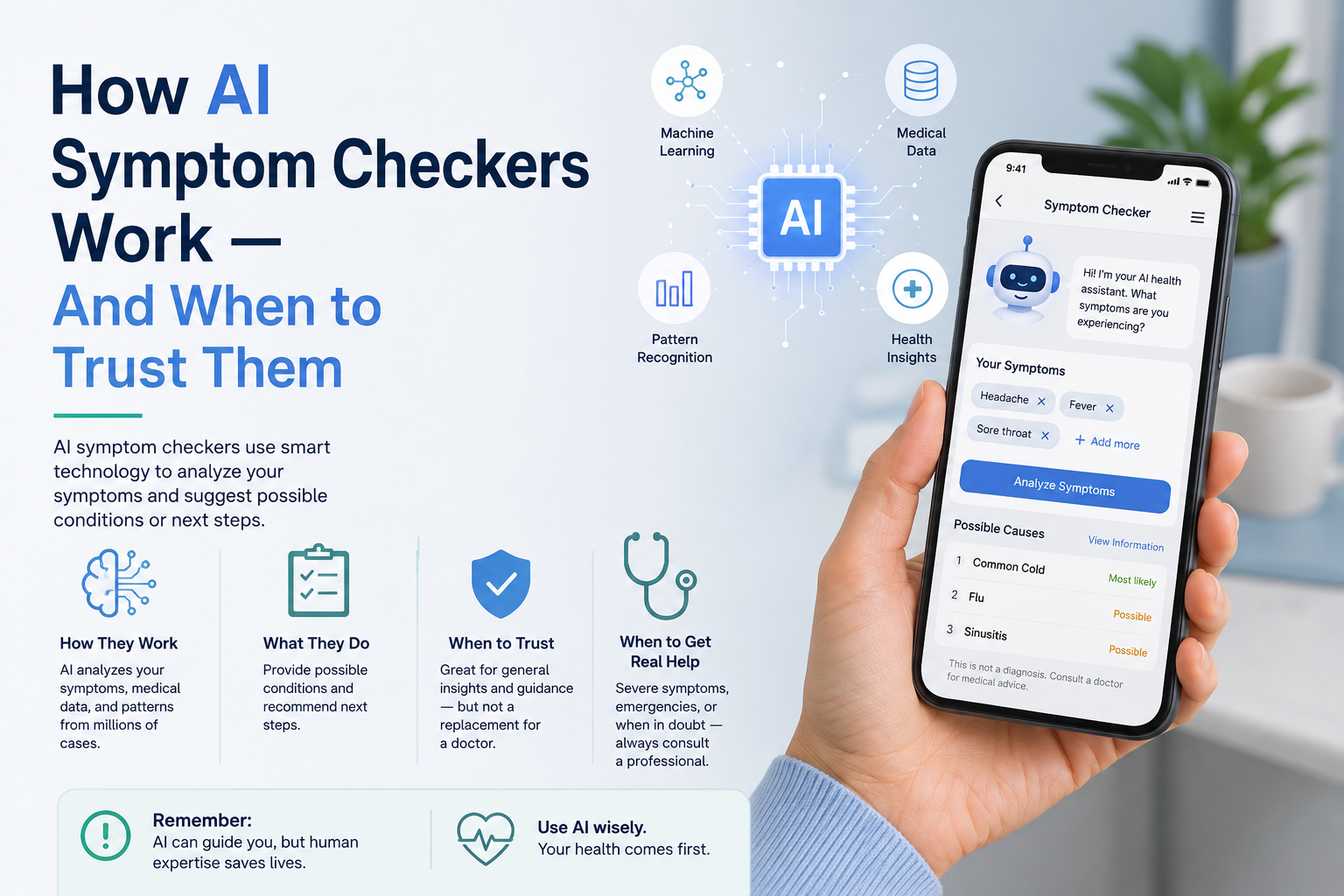
How AI Symptom Checkers Work — And When to Trust Them
AI symptom checkers use machine learning to match symptoms with possible conditions. In Southeast Asia, access and cultural factors affect reliability. This guide explains how they work, when to trust them, and when you still need a doctor.
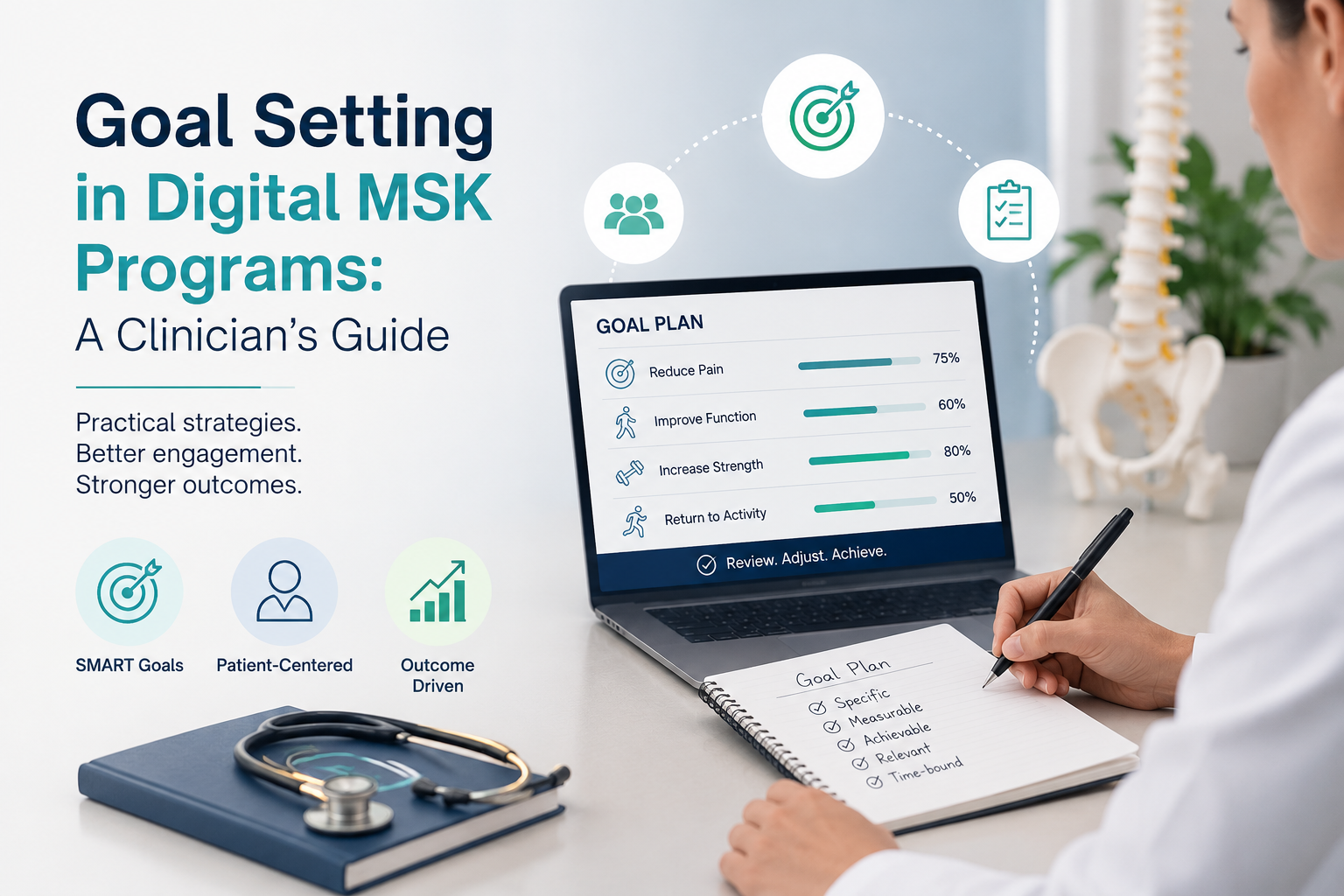
Goal Setting in Digital MSK Programs: A Clinician's Guide
Goal setting is the cornerstone of effective digital MSK programs. This article explains how structured, culturally adapted goals improve adherence, reduce pain, and sustain long-term recovery—with specific strategies for Southeast Asian populations.

How Digital Health Platforms Improve Work-Life Balance for Clinicians
Digital health platforms cut administrative tasks by 30%, giving clinicians 2.5 extra hours per week. Telemedicine, remote monitoring, and AI scheduling reduce overtime by 22%. Yet only 35% of Southeast Asian clinicians report improved balance—due to infrastructure gaps and cultural resistance. This article examines region-specific solutions and barriers.

Can AI Replace a Doctor? What AI Healthcare Can and Can't Do
Artificial intelligence is transforming medicine, but can it replace a doctor? This evidence-based analysis examines AI diagnostic accuracy, the irreplaceable human elements of care, and the critical gaps in local validation and policy that matter for Southeast Asian patients and clinicians.
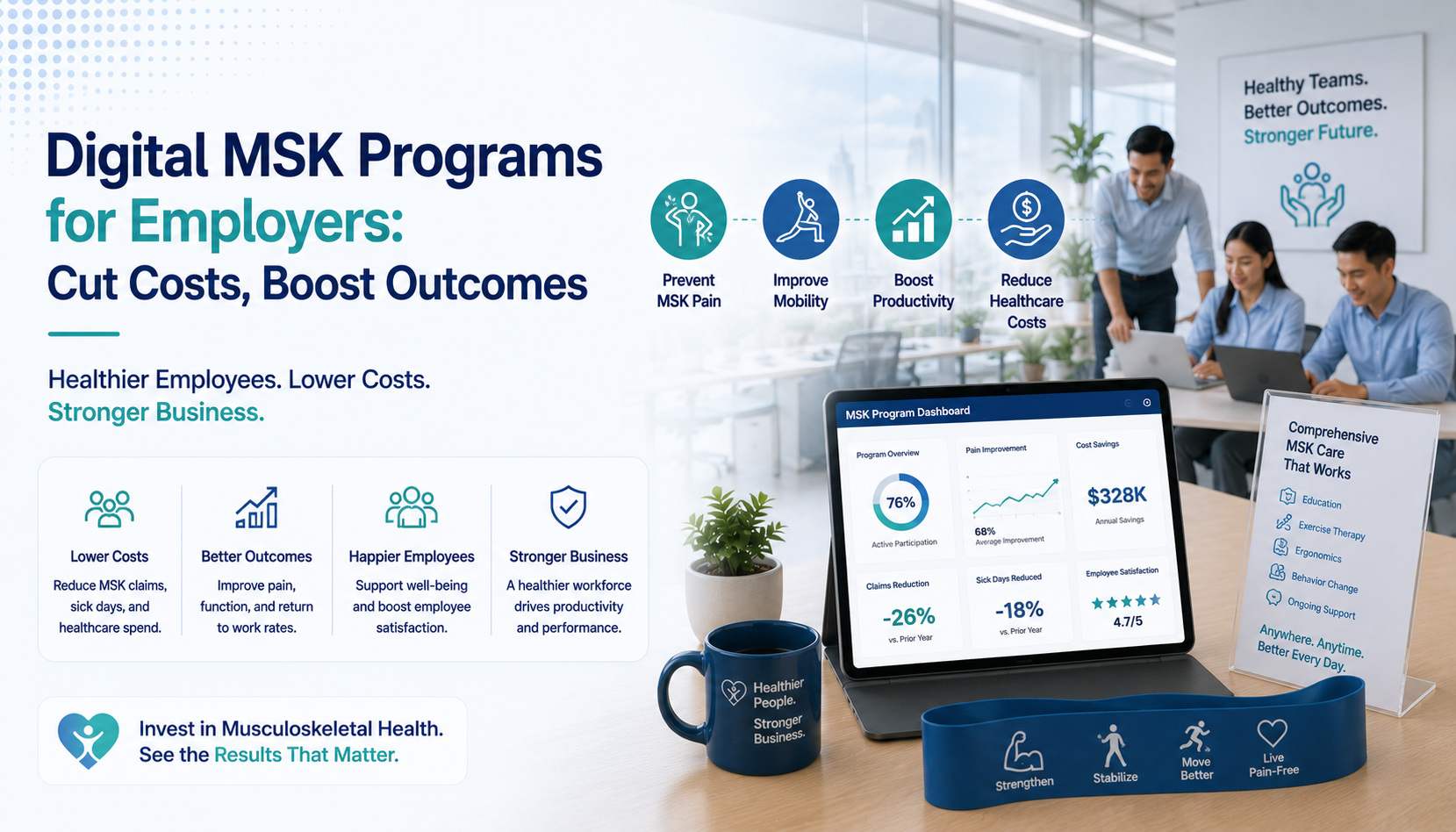
Digital MSK Programs for Employers: Cut Costs, Boost Outcomes
Musculoskeletal (MSK) disorders affect 1.71 billion people globally and cost employers thousands per employee annually. Digital MSK programs reduce costs by 20–30%, cut pain-related productivity loss by 40%, and improve work performance by 60% within 12 weeks. This guide covers the evidence, ROI, and implementation for Southeast Asian employers.

Sustainable Weight Loss with GLP-1s: Beyond the Initial Drop
GLP-1 receptor agonists produce impressive short-term weight loss, but two-thirds of lost weight returns within a year of stopping. This article provides practical, region-specific strategies for Southeast Asian patients to maintain results long-term, including dietary adaptations, exercise prescriptions, and a tapering plan.
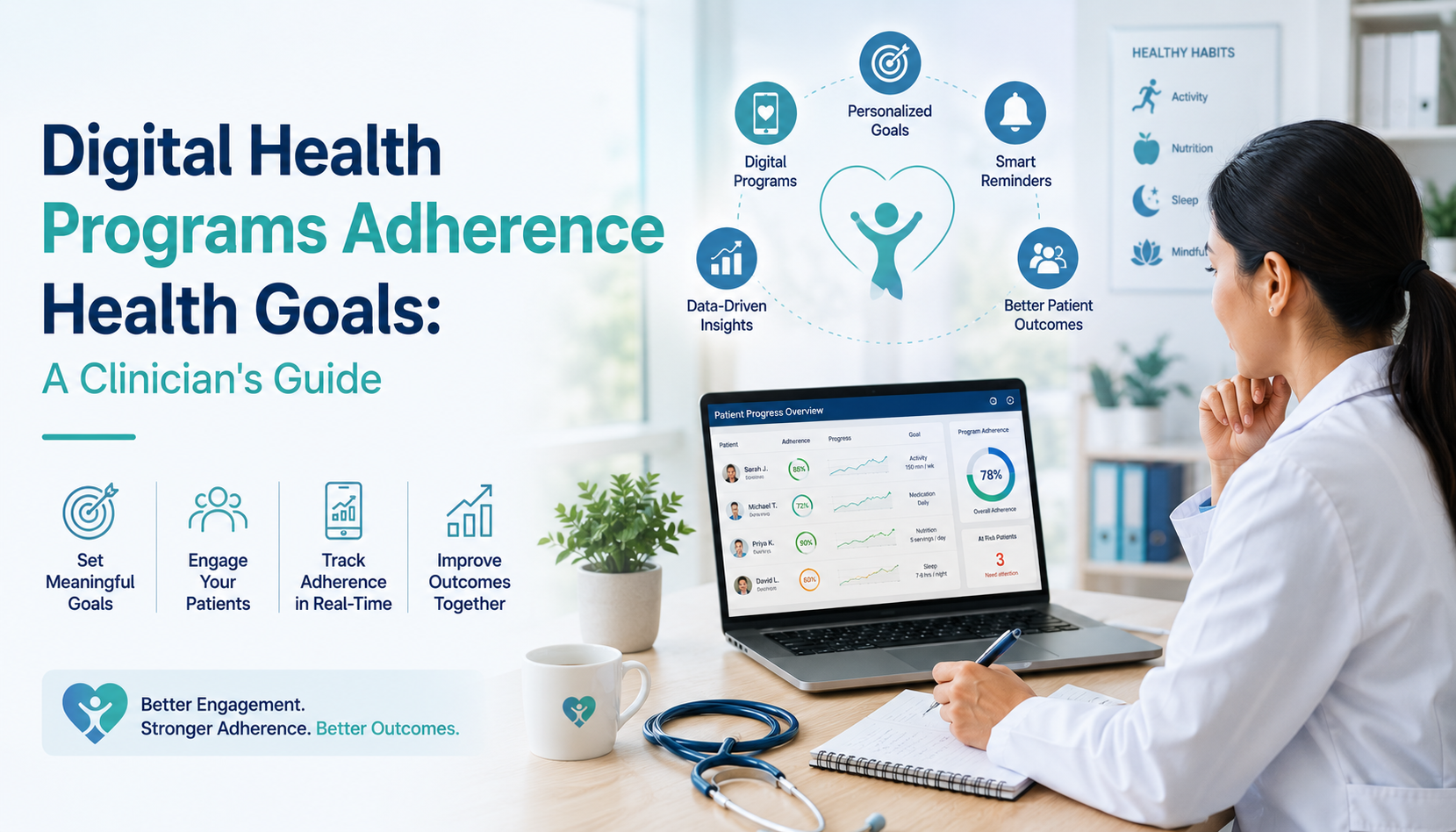
Digital Health Programs Adherence Health Goals: A Clinician's Guide
Digital health programs improve medication adherence by 15–30% and reduce noncommunicable disease risks by up to 20%. This guide explains how mHealth apps, wearables, and gamification work in Southeast Asia, addressing cultural barriers and integration with traditional medicine.

Digital Physical Therapy Southeast Asia: Personalized Pain Care Online
Digital physical therapy in Southeast Asia is transforming pain care. AI-powered apps personalize exercises for back pain, chronic conditions, and more. Learn how telerehabilitation works, its effectiveness, and what you need to get started.

Gut Health Second Brain: Why Your Stomach Controls Your Mood
The gut is often called the second brain—and for good reason. It contains 100 million neurons, produces 90% of your serotonin, and communicates directly with your brain. This article explains the gut-brain axis, signs of poor gut health, and how Southeast Asian fermented foods can improve both digestion and mental health.