Health Tips That Actually Help
Expert guides on symptoms, mental wellness, AI healthcare, and staying healthy in Southeast Asia. No jargon. No fear. Just facts.

Patient Engagement Strategies for Closing Care Gaps in Southeast Asia
Nearly 50% of patients with chronic conditions in Southeast Asia do not adhere to long-term therapies. Effective patient engagement strategies that respect cultural norms, family dynamics, and low digital literacy can close care gaps. This guide provides actionable communication tactics for clinicians and health systems.
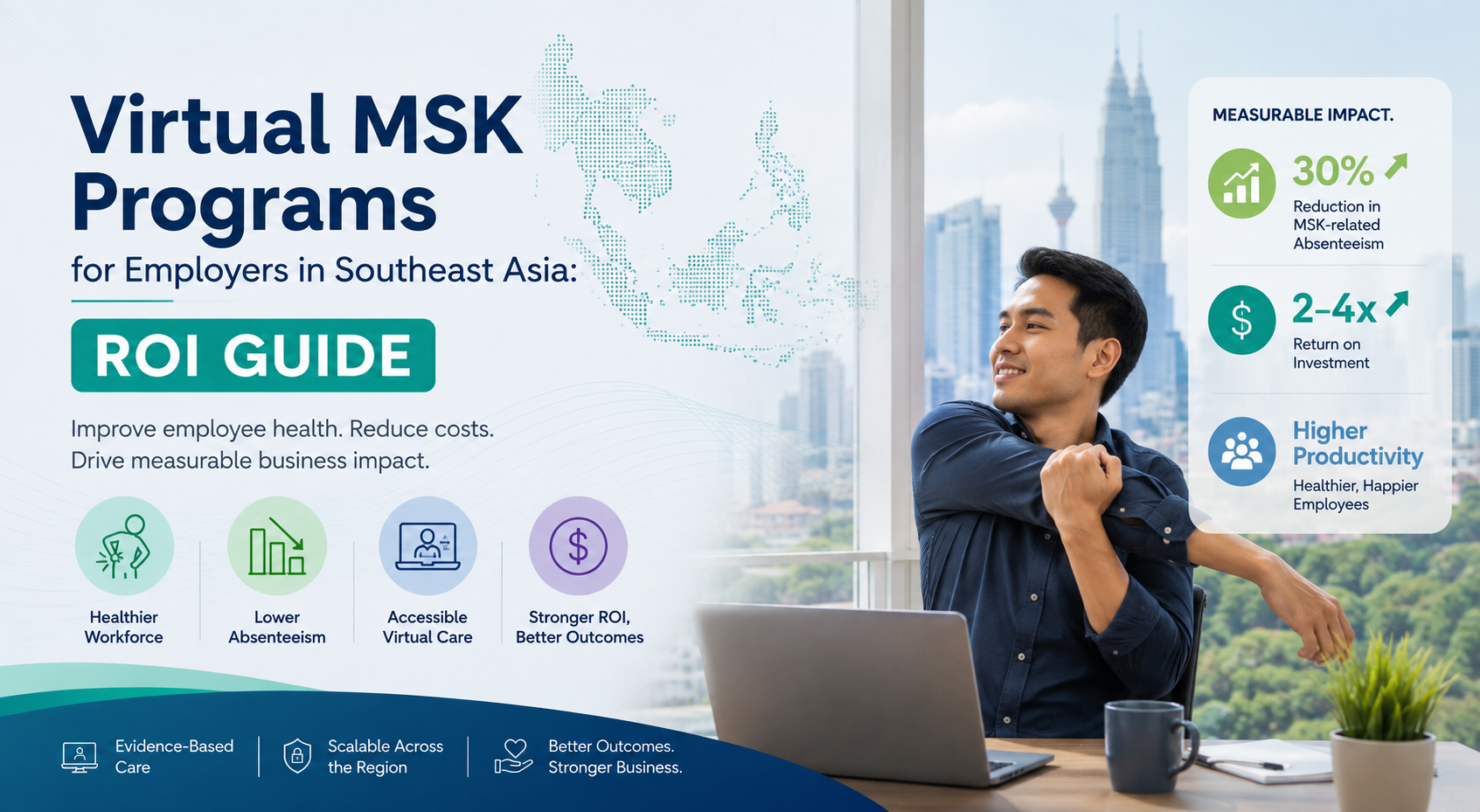
Virtual MSK Programs for Employers in Southeast Asia: ROI Guide
Musculoskeletal disorders cost Southeast Asian employers billions in lost productivity. Virtual MSK programs deliver 3:1 ROI by reducing absenteeism, presenteeism, and claims. This guide provides region-specific data, implementation challenges, and a business case tailored for SEA companies.

Sustainable Weight Loss Alternatives to GLP-1: Digital Coaching
GLP-1 drugs produce rapid weight loss but 70–80% of weight is regained within a year of stopping. Digital coaching solutions offer a sustainable alternative, with lower cost and higher long-term maintenance rates. This article compares the evidence and provides actionable strategies for Southeast Asian readers.

AI Patient Communication Tools Boost Southeast Asia Outcomes
AI-powered patient communication tools are transforming healthcare in Southeast Asia. Studies show a 30% increase in appointment adherence and up to 20% reduction in chronic disease complications. This article examines the evidence, implementation challenges, and cost-effectiveness across Malaysia, Indonesia, and Vietnam.
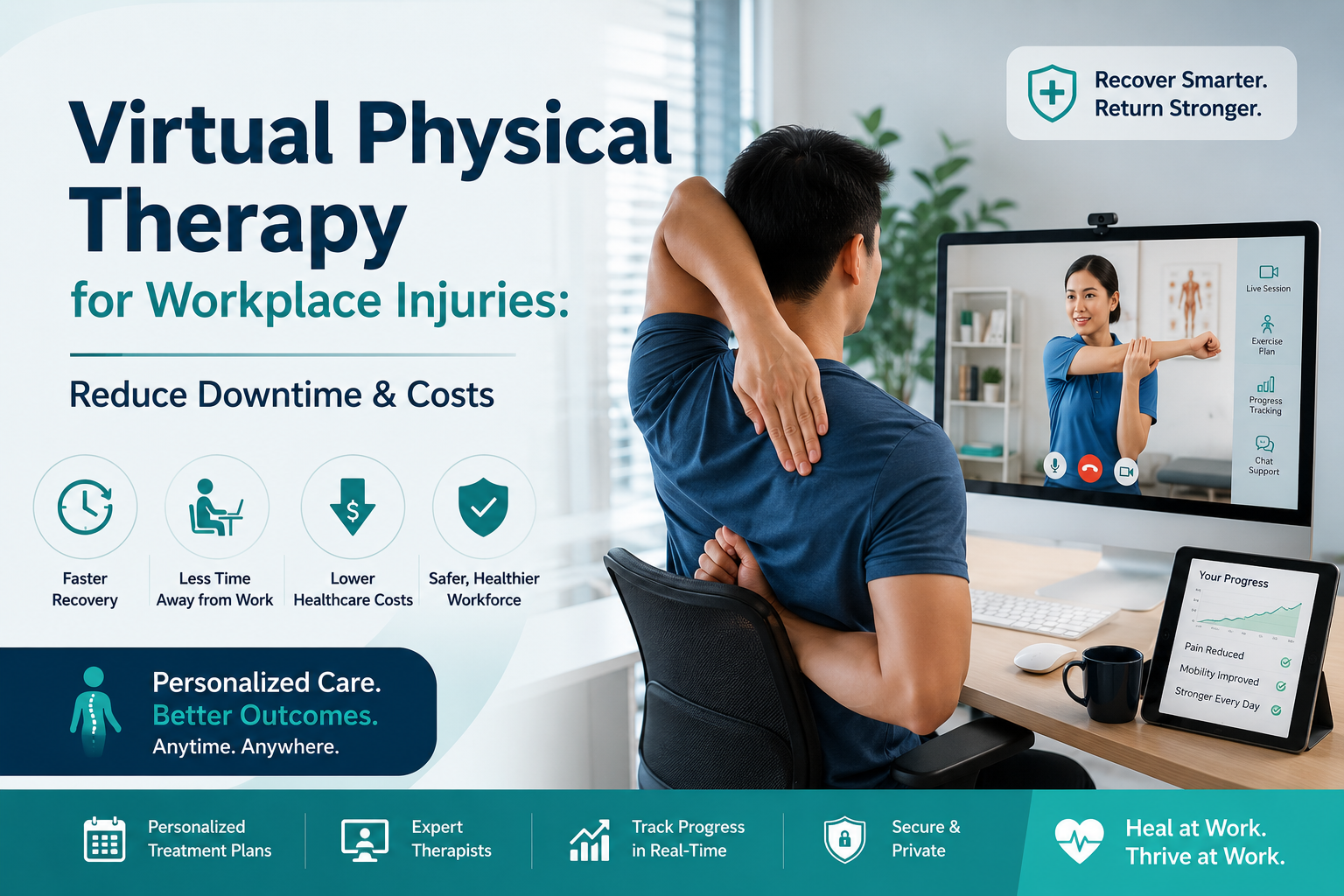
Virtual Physical Therapy for Workplace Injuries: Reduce Downtime & Costs
Virtual physical therapy for workplace injuries reduces lost work days by 40% and cuts medical costs by up to 30%. Learn how telerehabilitation works, what conditions it treats best, and how Southeast Asian employers can implement it.

Proactive Goal Setting in Chronic Disease Management: Member Engagement That Works
Proactive goal setting transforms chronic disease management from reactive crisis care to sustained member engagement. This article reviews the behavioural science, implementation frameworks, and metrics that drive measurable outcomes in Southeast Asian health systems.

Shortness of Breath When Not Exercising: Causes & When to Worry
Experiencing dyspnea at rest? This guide covers cardiac, pulmonary, and anxiety causes, local triggers like haze and heat, and a triage system to help you decide when to see a doctor. Includes 8 FAQs and actionable red flags.

Care Gap Identification and Outreach: Proactive Patient Engagement in Southeast Asia
Care gaps affect millions of patients in Southeast Asia. This guide covers identification methods, outreach strategies using community health workers and telehealth, and measurable outcomes to reduce disparities.
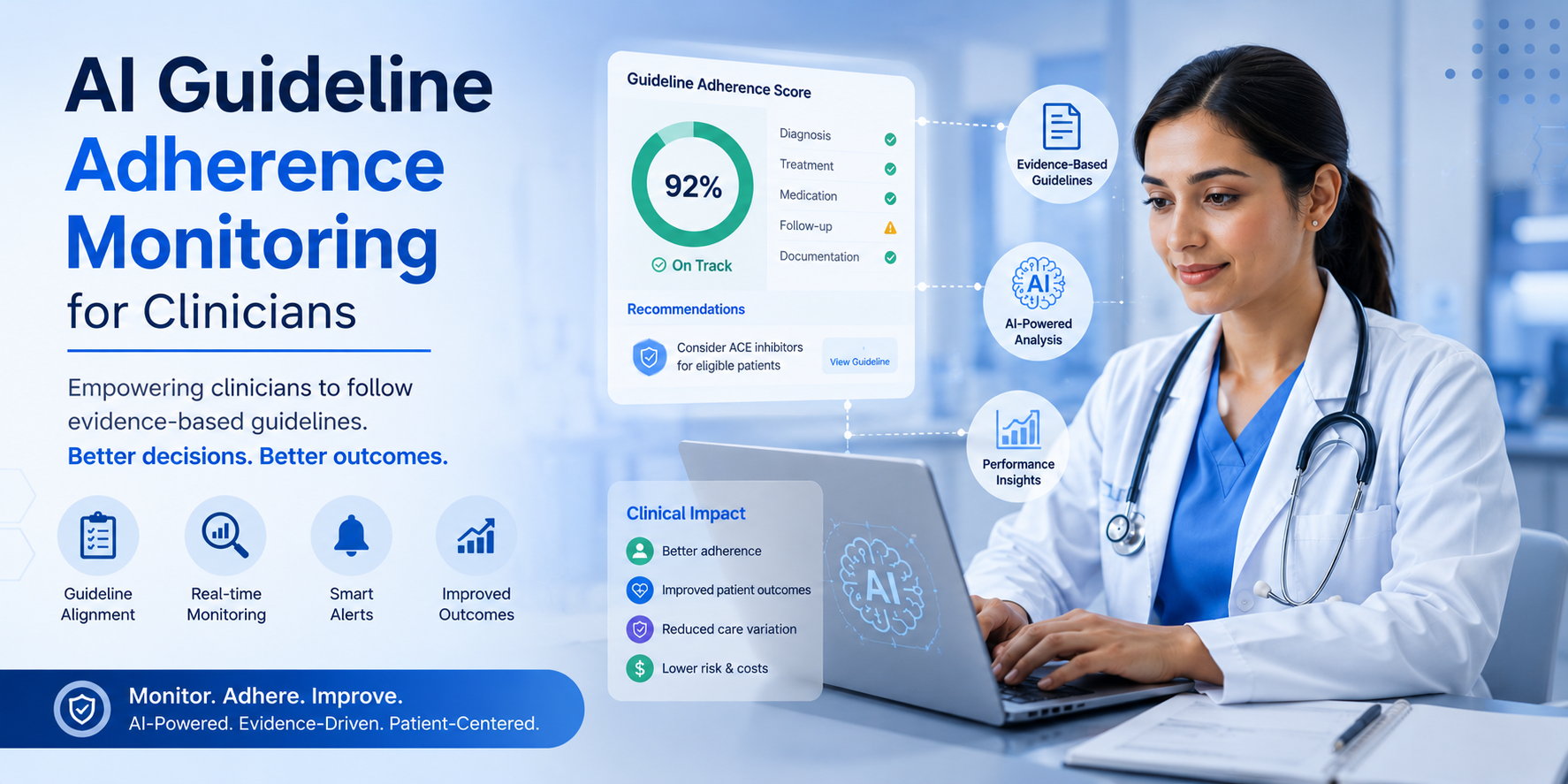
AI Guideline Adherence Monitoring for Clinicians: A Southeast Asia Implementation Guide
Baseline guideline adherence in Southeast Asian hospitals averages just 60–65%, and manual audits miss 80% of deviations. This implementation guide for hospital administrators and clinical governance leads covers the 4-phase rollout framework, multilingual NLP, PDPA compliance, red-flag protocols, and cost-effectiveness evidence for AI-driven clinical decision support.

Digital Mental Health in Southeast Asia: The Complete Guide
Digital mental health is expanding across Southeast Asia, but uptake lags behind need. This guide covers online therapy, telepsychiatry, and apps in Malaysia, Indonesia, Singapore, Philippines, Thailand, and Vietnam—addressing cost, privacy, stigma, and how to choose a trustworthy platform.

AI-Powered Patient Communications: Closing the Loop in Healthcare
AI-powered patient communications closing the loop in healthcare is a systems-level approach to ensure no patient falls through the cracks. This guide covers causes, treatment, prevention, and red flags for Southeast Asian patients and clinicians.
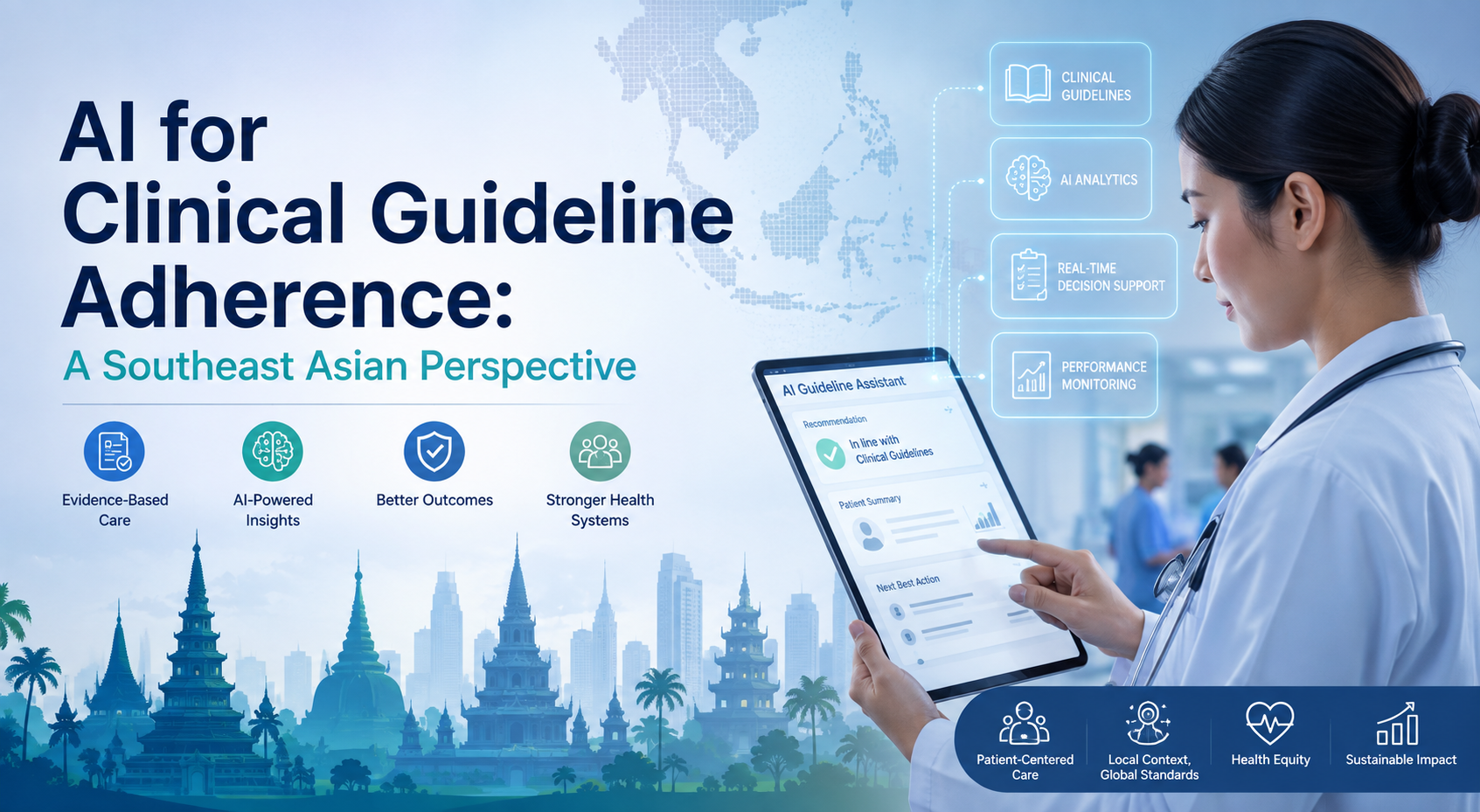
AI for Clinical Guideline Adherence: A Southeast Asian Perspective
AI for clinical guideline adherence can reduce non-adherence rates from 30–40% to under 15% in controlled settings. In Southeast Asia, local barriers like limited EHR adoption and language diversity require tailored AI solutions. This article examines evidence, cost-effectiveness, and practical steps for clinicians and health systems.