Health Tips That Actually Help
Expert guides on symptoms, mental wellness, AI healthcare, and staying healthy in Southeast Asia. No jargon. No fear. Just facts.

Virtual Physical Therapy for Musculoskeletal Pain: Is It Right for You?
Virtual physical therapy can be as effective as in-person care for many musculoskeletal conditions, with pain reductions averaging 40%. This guide covers conditions, costs, equipment needs, and insurance coverage in Malaysia and Southeast Asia, including the emerging role of AI-guided rehabilitation.

Digital Coaching for Chronic Disease Management in Southeast Asia
Digital coaching for chronic disease management can improve HbA1c by 0.5% and medication adherence by 28%. But in Southeast Asia, low digital literacy and rural access gaps demand a different approach. This guide provides actionable steps for patients and families.

GLP-1 Medications Weight Loss: What You Need to Know
GLP-1 medications (semaglutide, liraglutide) are reshaping obesity treatment, producing 8–15% weight loss in clinical trials. But sustainability after stopping is a real concern. This article covers efficacy, safety, cost, and how these drugs fit into Southeast Asian lifestyles.

GLP-1 Medications for Weight Loss in Southeast Asia: A Clinical Guide
GLP-1 medications such as semaglutide and liraglutide can achieve 14.9% weight loss over 68 weeks, but Southeast Asian patients face unique challenges in cost, dietary integration, and regulation. This guide covers efficacy, side effects, regional approval status, and how AI health assistants can improve adherence and safety.
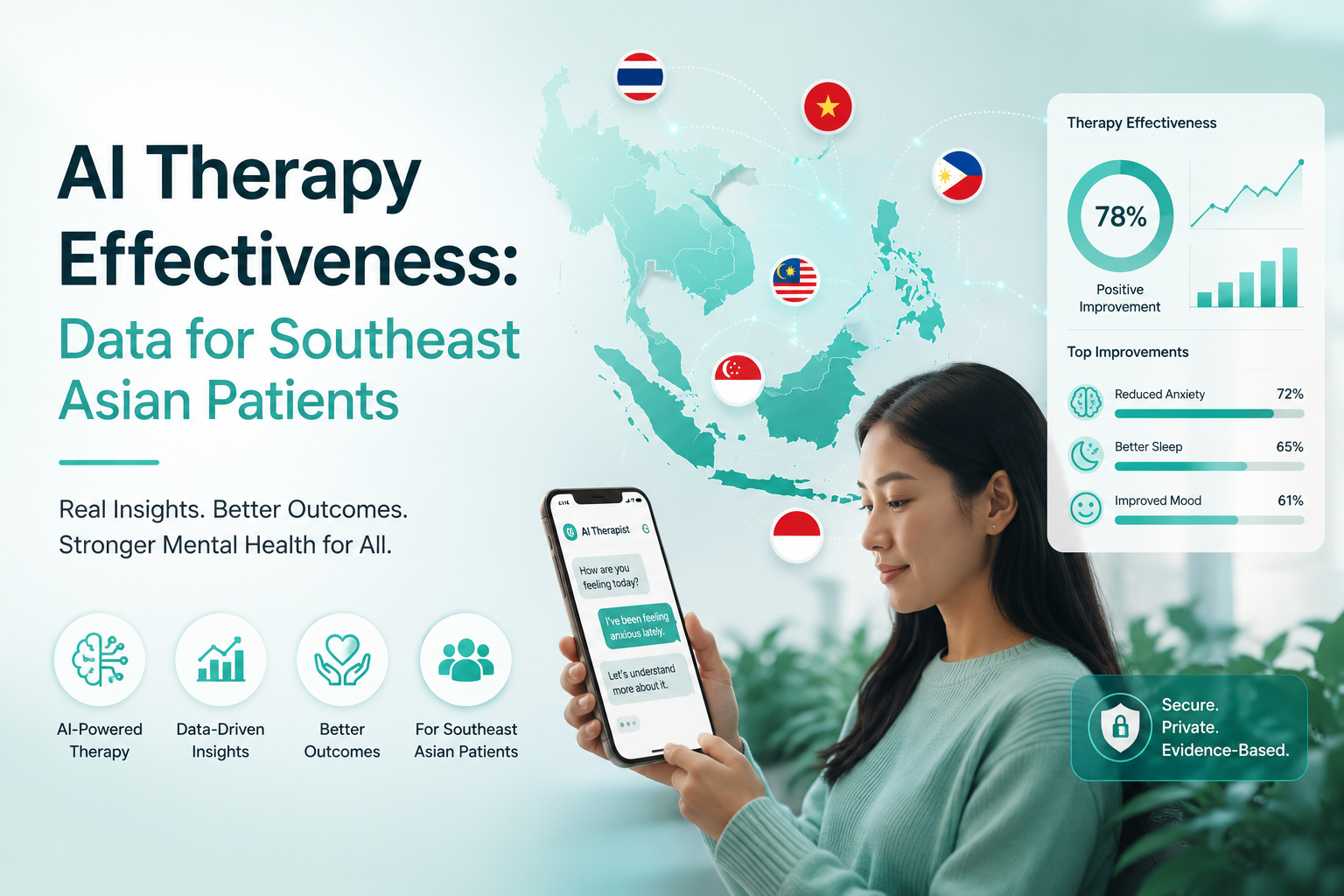
AI Therapy Effectiveness: Data for Southeast Asian Patients
AI therapy is gaining traction in Southeast Asia, but does it work? This article examines clinical evidence, risks, and cultural considerations for patients in Malaysia, Singapore, and Thailand. We review the data on AI chatbot therapy for depression and anxiety, compare it to human therapists, and provide region-specific guidance on choosing the right platform.
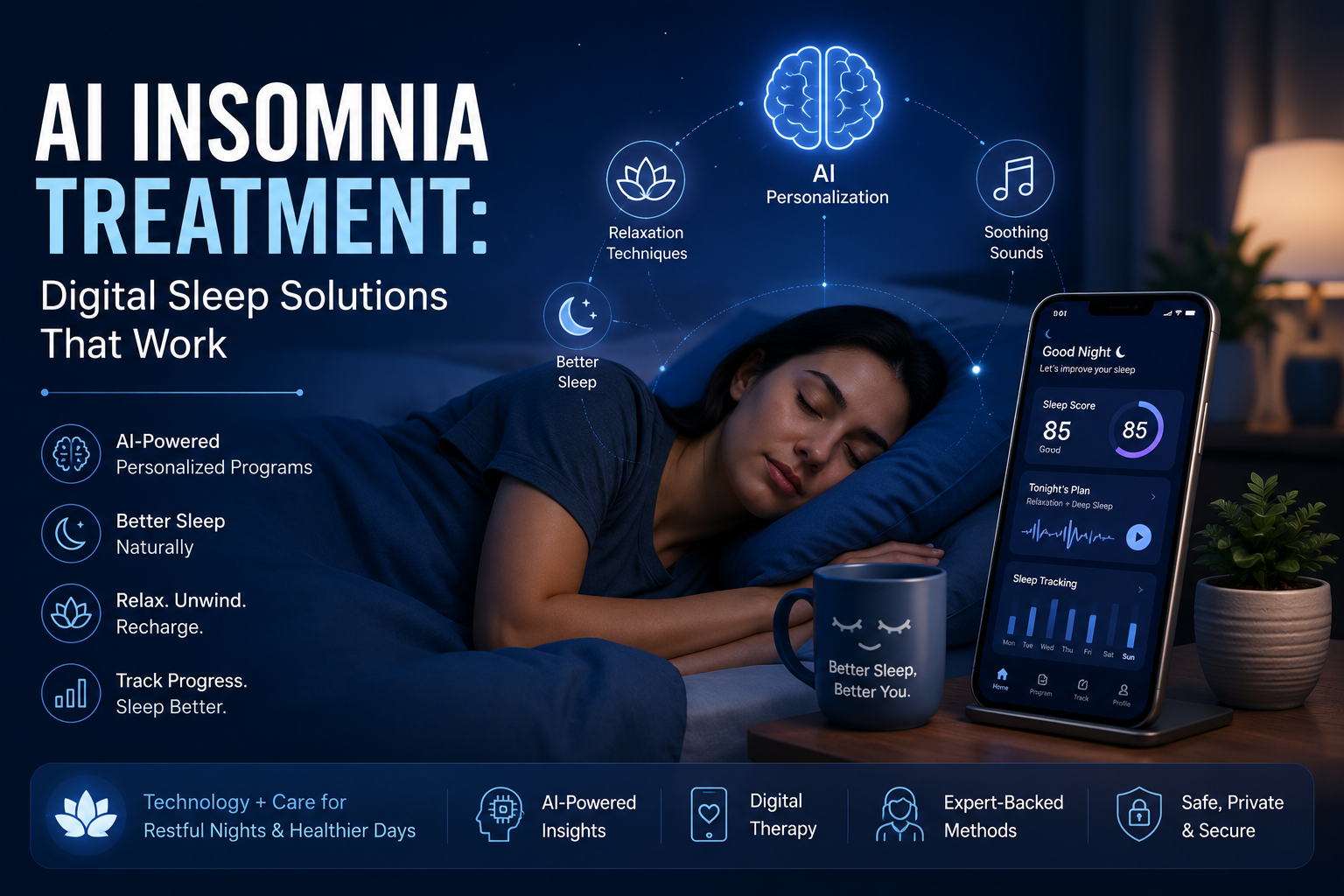
AI Insomnia Treatment: Digital Sleep Solutions That Work
AI insomnia treatment uses machine learning and cognitive behavioral therapy techniques to improve sleep. This article reviews digital sleep solutions, their effectiveness, risks, and whether they can replace traditional therapy. Includes specific data for Malaysia and Southeast Asia.

AI-Driven Chronic Disease Management: What You Need to Know
Chronic diseases cause 71% of global deaths. AI-driven chronic disease management uses machine learning to monitor, predict, and personalize treatment. This article covers the evidence, challenges, and practical tools available in Southeast Asia, with a focus on Malaysia.

Chest Pain Causes and Meaning: A Clinical Guide
Chest pain is one of the most feared symptoms, but only 15–25% of cases turn out to be cardiac. This guide breaks down the causes—from pericarditis to panic—and gives you practical, cost-conscious steps for deciding when to worry and when to wait.

How AI Is Transforming Musculoskeletal Pain Management
AI in musculoskeletal pain management uses machine learning and computer vision to diagnose, treat, and monitor bone, joint, and muscle conditions. With global prevalence affecting 1.71 billion people and Southeast Asian rates of chronic low back pain reaching 30%, AI tools now achieve >90% accuracy in detecting fractures and cut physiotherapy recovery time by up to 30%. This article covers how AI works, region-specific challenges, and practical steps for patients in Malaysia, Indonesia, and beyond.

Why Am I So Tired All the Time? 8 Medical Reasons
If you're constantly exhausted despite adequate sleep, underlying medical conditions may be to blame. This article covers 8 common causes of chronic fatigue in Southeast Asia, including iron deficiency, sleep apnea, thyroid disorders, and depression, with region-specific data and actionable advice.

What Happens to Your Body When You Sit All Day: A Clinical Breakdown
Prolonged sitting triggers a cascade of physiological failures—metabolic shutdown, muscle atrophy, venous stasis, and increased cardiovascular risk. This article explains exactly what happens inside your body and provides actionable, low-cost interventions tailored for Southeast Asian office workers.

Flu vs COVID-19 Symptoms in 2025: Key Differences
With loss of taste or smell now rare in COVID-19 (5-10% of JN.1 cases), differentiating flu from COVID-19 in 2025 requires a new approach. This article provides symptom comparison, testing guidance, and self-triage steps for Southeast Asian readers.