Health Tips That Actually Help
Expert guides on symptoms, mental wellness, AI healthcare, and staying healthy in Southeast Asia. No jargon. No fear. Just facts.
Is My Stress Level Normal? A 5-Minute Self-Assessment
Most stress self-assessments ignore cultural context. This evidence-based 5-minute quiz helps you distinguish normal stress from chronic stress, with specific insights for Malaysia and Southeast Asia.
Support Partner With Depression Self-Care Tips: 7 Strategies
Supporting a partner with depression is a marathon, not a sprint. Learn 7 evidence-based self-care tips to prevent caregiver burnout, set healthy boundaries, and protect your own mental health while being a source of strength.

Sleep Anxiety: Why You're Tired but Can't Sleep
Sleep anxiety is the fear or dread of not being able to sleep, creating a vicious cycle where worry about insomnia itself fuels sleeplessness. In Malaysia, 29.3% of adults report poor sleep quality linked to anxiety. This article unpacks the biology of 'tired but wired', compares sleep anxiety to insomnia, and offers actionable strategies—from CBT-I to affordable local remedies.
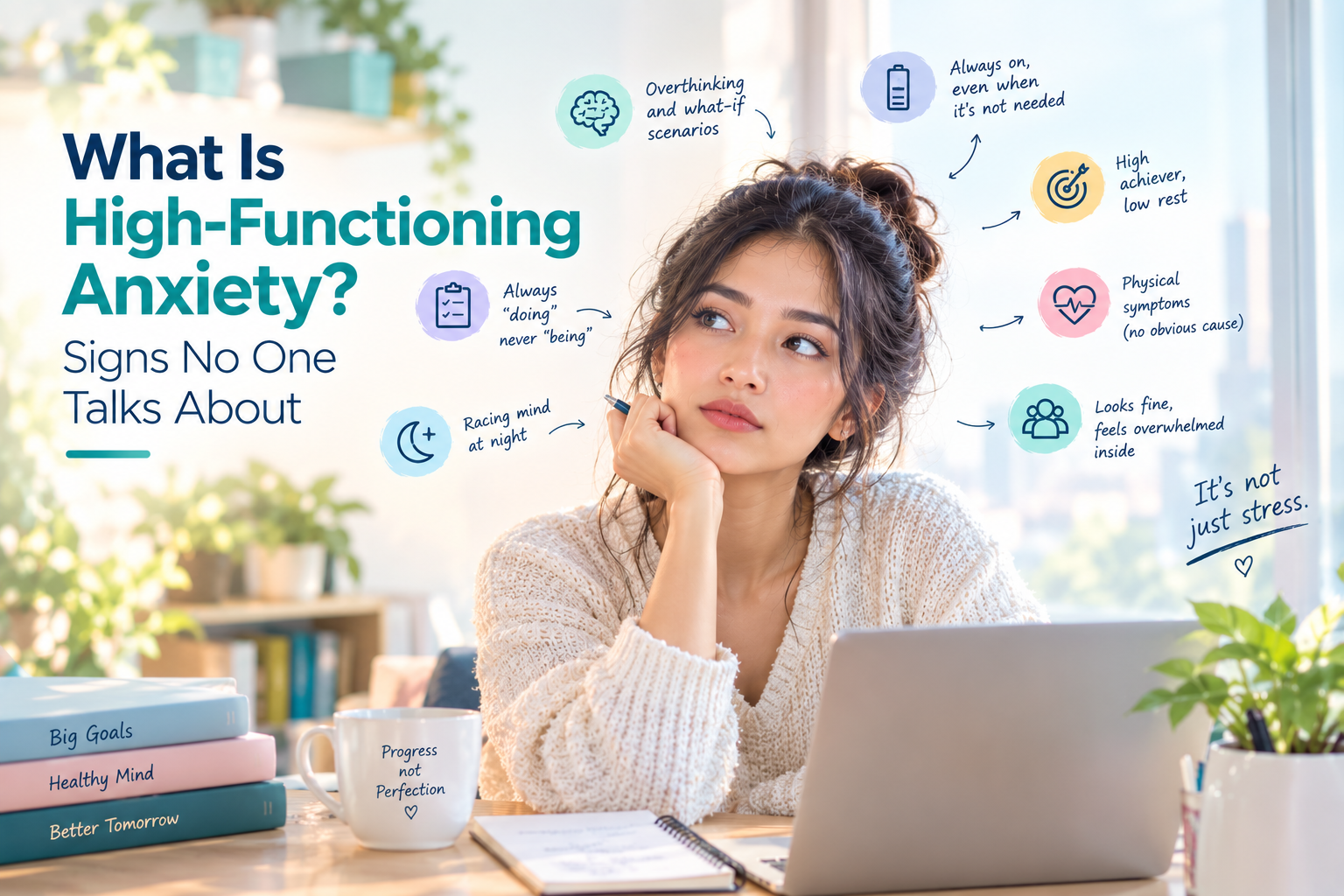
What Is High-Functioning Anxiety? Signs No One Talks About
High-functioning anxiety is not a formal diagnosis, but millions of outwardly successful professionals and parents in Southeast Asia live with it daily. This article unpacks the hidden signs—overwork, perfectionism, fear of failure—and offers actionable steps to break the cycle without losing your edge.
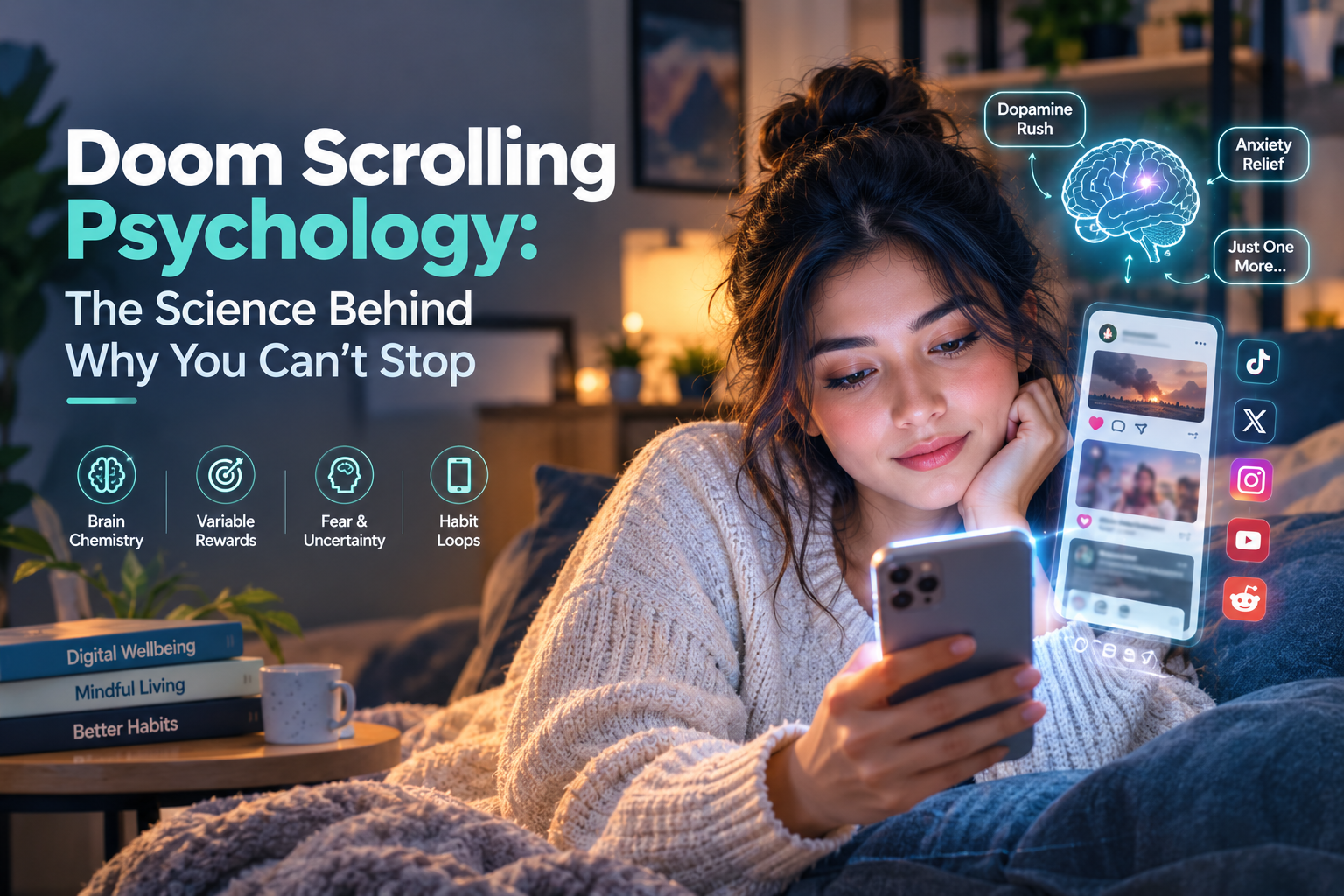
Doom Scrolling Psychology: The Science Behind Why You Can't Stop
Doom scrolling is not a lack of willpower—it's a brain hijacking driven by dopamine, negativity bias, and algorithms. This article explains the neuroscience, the mental health toll in Southeast Asia, and evidence-based strategies to regain control.

AI Clinical Scribes Reduce Physician Burnout: Evidence & Implementation
AI clinical scribes reduce documentation time by up to 50% and cut burnout rates by 90% among physicians. This article reviews the evidence, compares AI vs human scribes, and addresses unique adoption challenges in Southeast Asia—including language adaptation, EHR interoperability, and cost for small clinics.

Privacy and AI Healthcare Apps: What Data Do They Actually Collect
Only 30% of health apps have a privacy policy. 65% of AI-powered apps transmit data unencrypted. This article breaks down what data is collected, how it’s used, and what Southeast Asian regulations (PDPA, Thailand PDPA) actually require—plus steps you can take today to protect your health data.

Online Insomnia Treatment: Can Digital Programs Replace Sleeping Pills?
Online insomnia treatment using digital cognitive behavioral therapy (CBT-I) is as effective as face-to-face therapy and outperforms sleeping pills for long-term sleep maintenance. In Malaysia, where 30% of adults struggle with insomnia, digital programs offer a scalable, evidence-based alternative. This article reviews the data, compares local options, and explains when to see a doctor.

Barriers to Therapy in Asia: Why Most Don't Get Help
Therapy is out of reach for most Southeast Asians due to cost, stigma, and a severe shortage of psychiatrists. This guide breaks down the real barriers and offers practical, culturally accepted alternatives.
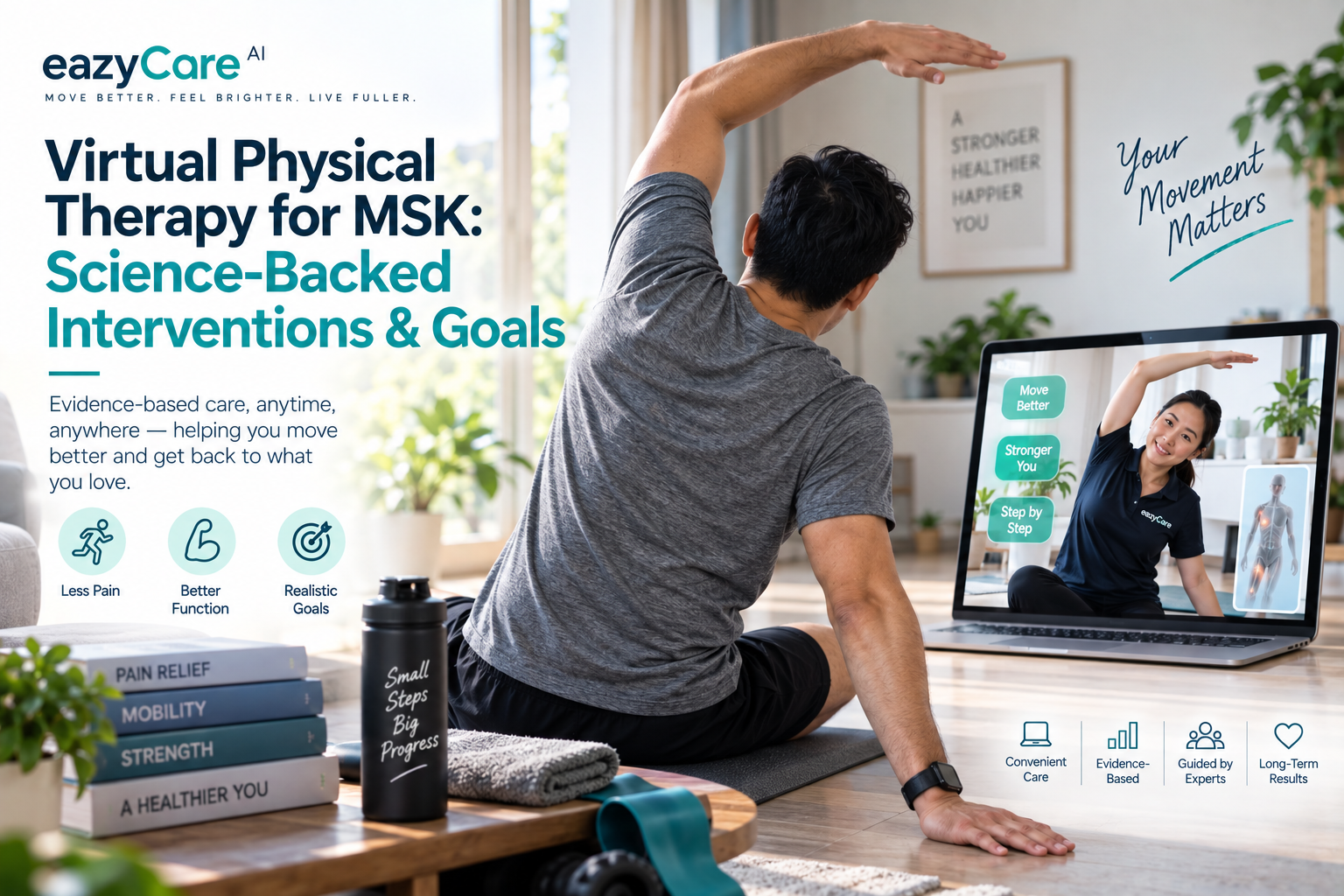
Virtual Physical Therapy for MSK: Science-Backed Interventions & Goals
Virtual physical therapy for musculoskeletal (MSK) conditions combines remote assessment, exercise prescription, and coaching — supported by over 47 randomized controlled trials. This article breaks down which interventions have evidence, how to set meaningful goals, and what outcomes you can realistically expect.

How to Talk to Someone About Their Mental Health
A comprehensive guide to understanding How to Talk to Someone About Their Mental Health, when to seek medical care, and how to manage it effectively.

7 Signs You Have Anxiety (Even If You Think You Don't)
Anxiety isn't just worry—it's a systemic condition affecting your body, behaviour, and relationships. Learn the 7 hidden signs you have anxiety, why Southeast Asians often miss them, and practical steps to regain control.