Health Tips That Actually Help
Expert guides on symptoms, mental wellness, AI healthcare, and staying healthy in Southeast Asia. No jargon. No fear. Just facts.

Best Online Therapy Platforms 2025 Southeast Asia: 9 Things to Check
Online therapy works—but only if you choose the right platform. This guide covers the 9 non-negotiables for Southeast Asian users, from PDPA compliance to local payment methods.

You're Not Lazy — You're Burned Out: How to Tell the Difference
Burnout is a state of chronic workplace stress that leads to exhaustion, cynicism, and reduced performance. Mistaking it for laziness delays recovery. This article explains the clinical difference, signs, and treatment options tailored for Southeast Asian professionals.

Machine Learning Early Disease Detection: 2025 SEA Guide
Machine learning detects diseases like cancer, diabetes, and tuberculosis years before symptoms appear — with accuracy up to 94.6%. Here's how it works in Southeast Asia, what it means for you, and why it won't replace your doctor.

AI vs Traditional Doctor Visit: When to Use Each in SEA
AI symptom checkers and doctors each have distinct strengths in Southeast Asia. This guide compares diagnostic accuracy, costs, and cultural factors to help you choose the right first step for your health concern.

AI Mental Health Triage: Opportunities and Ethical Risks in SE Asia
AI mental health triage uses algorithms to prioritise and screen patients before human consultation. Evidence shows up to 30% reduction in wait times but accuracy varies from 60% to 95%. This article examines the opportunities and ethical minefields specific to Southeast Asia.
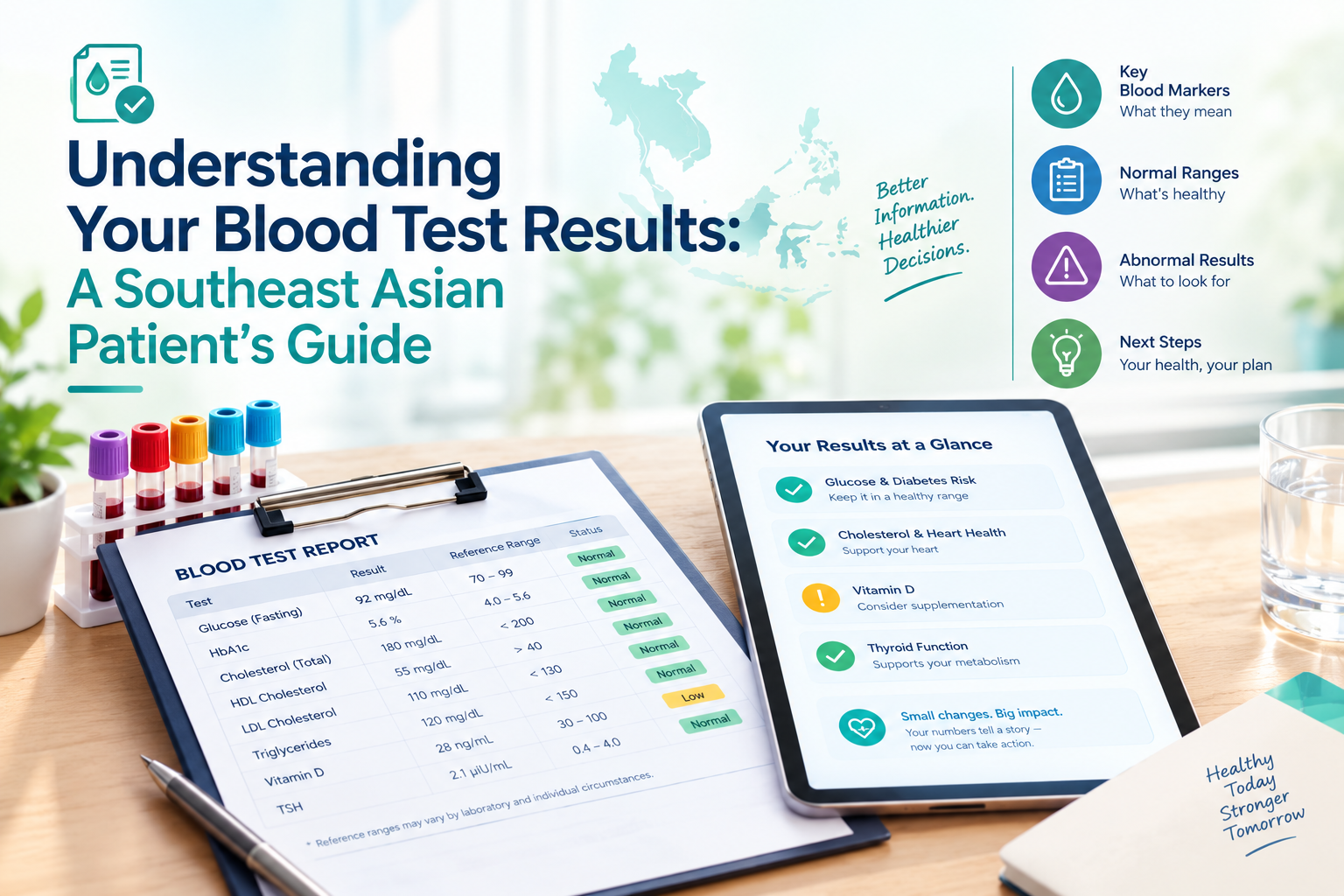
Understanding Your Blood Test Results: A Southeast Asian Patient's Guide
A comprehensive guide to understanding Understanding Your Blood Test Results: A Southeast Asian Patient's Guide, when to seek medical care, and how to manage it effectively.
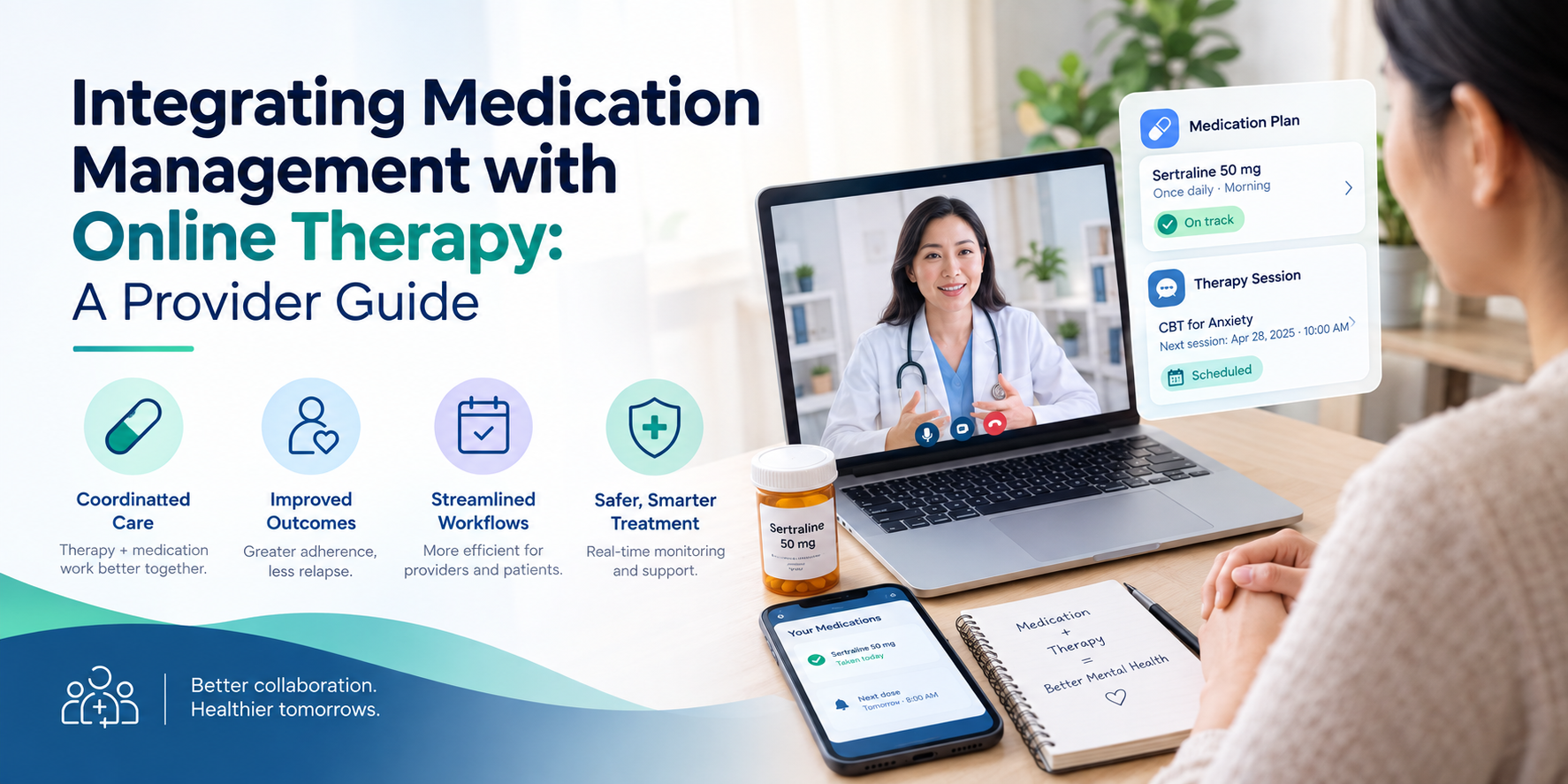
Integrating Medication Management with Online Therapy: A Provider Guide
Integrating medication management with online therapy improves outcomes by up to 45% in collaborative care models. This guide covers practical workflows, Malaysian MOH regulations, and safety protocols for Southeast Asian providers.

Digital Hypertension Management Southeast Asia: 2025 Guide
Only one-third of Southeast Asians with hypertension have controlled blood pressure. Digital tools—remote monitoring, telehealth coaching, and mobile apps—can close this gap by 5–10 mmHg, but only when adapted to regional realities like low digital literacy and high-sodium diets.

The Future of Telehealth in Malaysia: What Patients Need to Know
Telehealth in Malaysia is entering a new phase beyond pandemic novelty. With the National Telehealth Policy (2022), AI-powered triage, and evolving insurance coverage, patients can now access safe, regulated virtual care. Learn what changes matter most and how to navigate them.

Personalized Digital Mental Health: Tailoring Therapy to You
Personalized digital mental health therapy adapts treatment content, pacing, and feedback to your unique profile. Over 60% of users prefer personalized over generic advice. This guide covers how AI personalizes care, cultural adaptation in Malaysia and Singapore, privacy risks, and how to choose the right app.

AI Clinical Documentation Improvement Southeast Asia: Reducing Coding Errors
AI-driven clinical documentation improvement (CDI) cuts coding errors by 30-50% in Southeast Asian hospitals. This article explains how AI tools integrate with EHR systems, meet WHO ICD-11 standards, and deliver measurable ROI—even for small-to-mid-sized facilities.
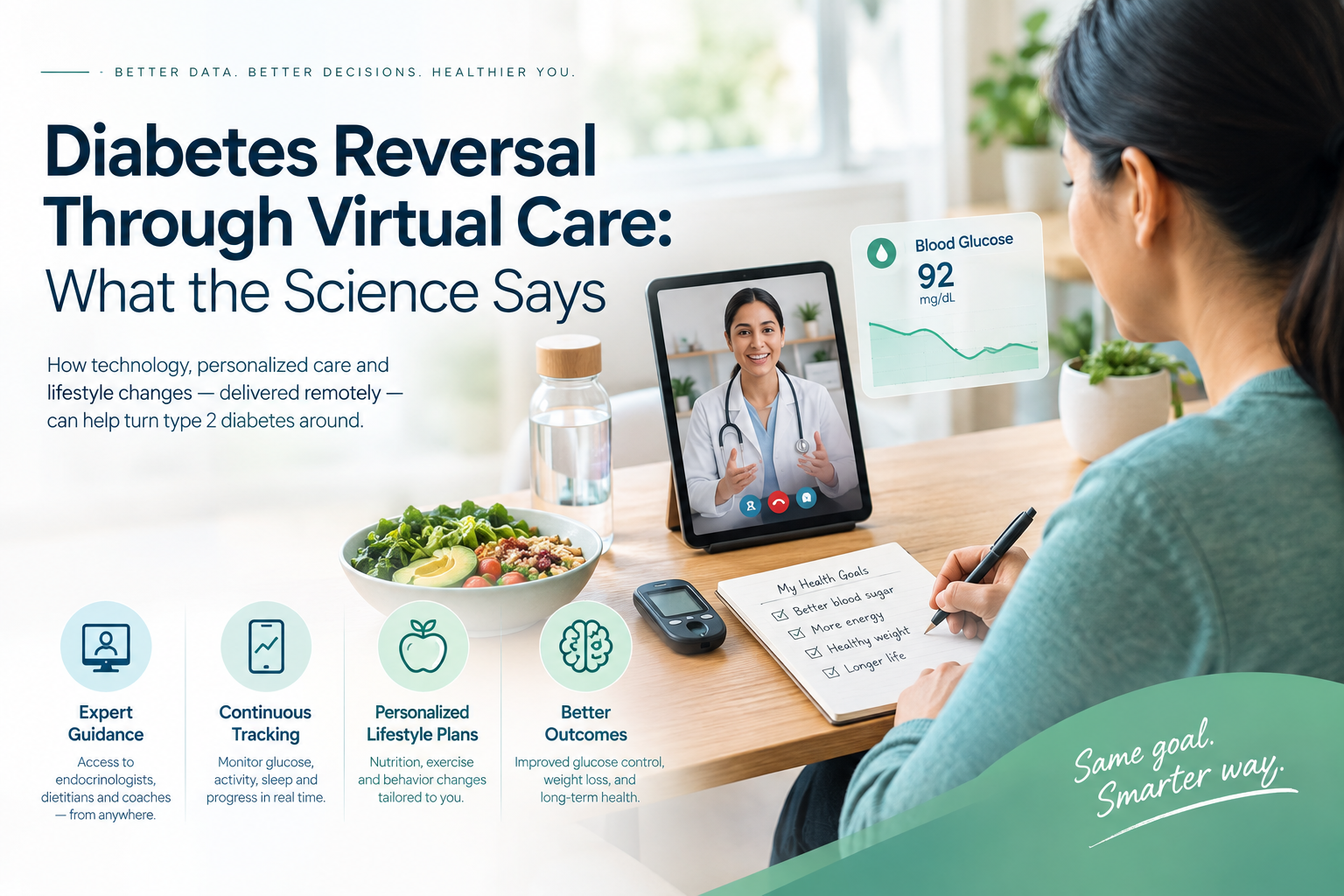
Diabetes Reversal Through Virtual Care: What the Science Says
Virtual care programs combining continuous glucose monitoring, remote coaching, and structured weight management can reverse type 2 diabetes in up to 46% of patients. Here’s what the evidence shows for Southeast Asia.