
Health Tips That Actually Help
Expert guides on symptoms, mental wellness, AI healthcare, and staying healthy in Southeast Asia. No jargon. No fear. Just facts.

Chest Pain Causes: What Every Southeast Asian Must Know
Chest pain is one of the most common reasons for emergency visits, yet up to 60% of cases are non-cardiac. This article helps Southeast Asian patients differentiate heart attack from anxiety, GERD, and costochondritis using local data and practical steps.

GLP-1 Medications Weight Loss: What You Need to Know
GLP-1 medications (semaglutide, liraglutide) are reshaping obesity treatment, producing 8–15% weight loss in clinical trials. But sustainability after stopping is a real concern. This article covers efficacy, safety, cost, and how these drugs fit into Southeast Asian lifestyles.

AI Insomnia Treatment: Digital Sleep Solutions That Work
AI insomnia treatment uses machine learning and cognitive behavioral therapy techniques to improve sleep. This article reviews digital sleep solutions, their effectiveness, risks, and whether they can replace traditional therapy. Includes specific data for Malaysia and Southeast Asia.

Chest Pain Causes and Meaning: A Clinical Guide
Chest pain is one of the most feared symptoms, but only 15–25% of cases turn out to be cardiac. This guide breaks down the causes—from pericarditis to panic—and gives you practical, cost-conscious steps for deciding when to worry and when to wait.

Why Am I So Tired All the Time? 8 Medical Reasons
If you're constantly exhausted despite adequate sleep, underlying medical conditions may be to blame. This article covers 8 common causes of chronic fatigue in Southeast Asia, including iron deficiency, sleep apnea, thyroid disorders, and depression, with region-specific data and actionable advice.

What Happens to Your Body When You Sit All Day: A Clinical Breakdown
Prolonged sitting triggers a cascade of physiological failures—metabolic shutdown, muscle atrophy, venous stasis, and increased cardiovascular risk. This article explains exactly what happens inside your body and provides actionable, low-cost interventions tailored for Southeast Asian office workers.

Flu vs COVID-19 Symptoms in 2025: Key Differences
With loss of taste or smell now rare in COVID-19 (5-10% of JN.1 cases), differentiating flu from COVID-19 in 2025 requires a new approach. This article provides symptom comparison, testing guidance, and self-triage steps for Southeast Asian readers.

10 Signs Your Body Needs More Sleep (And What to Do)
Sleep deprivation silently damages your health. Discover 10 signs your body needs more sleep—including specific symptoms common in tropical climates—and actionable solutions for Southeast Asians.

Understanding Blood Pressure Numbers: A Complete Guide for Southeast Asians
Blood pressure numbers are more than just two digits — they predict heart attack and stroke risk. This guide explains systolic and diastolic pressure, normal ranges by age, and why Southeast Asians face unique risks from high-sodium condiments like fish sauce and soy sauce. Includes MOH Malaysia and WHO guidelines, plus actionable steps to lower your numbers.

Fever in Children Guide: When to Worry and What to Do
A comprehensive guide to fever in children, covering normal temperature ranges, home care tips, danger signs like febrile seizures, and region-specific concerns such as dengue and hand-foot-mouth disease. Includes actionable triage steps for parents in Southeast Asia.

Headache Causes Beyond Stress: What's Really Going On
Most headaches are dismissed as stress or tiredness — but 10% have an underlying medical cause that requires diagnosis. From undetected hypertension to dengue fever and haze-triggered migraines, Southeast Asian patients face headache triggers that Western health guides never mention. This article covers what clinicians actually look for.
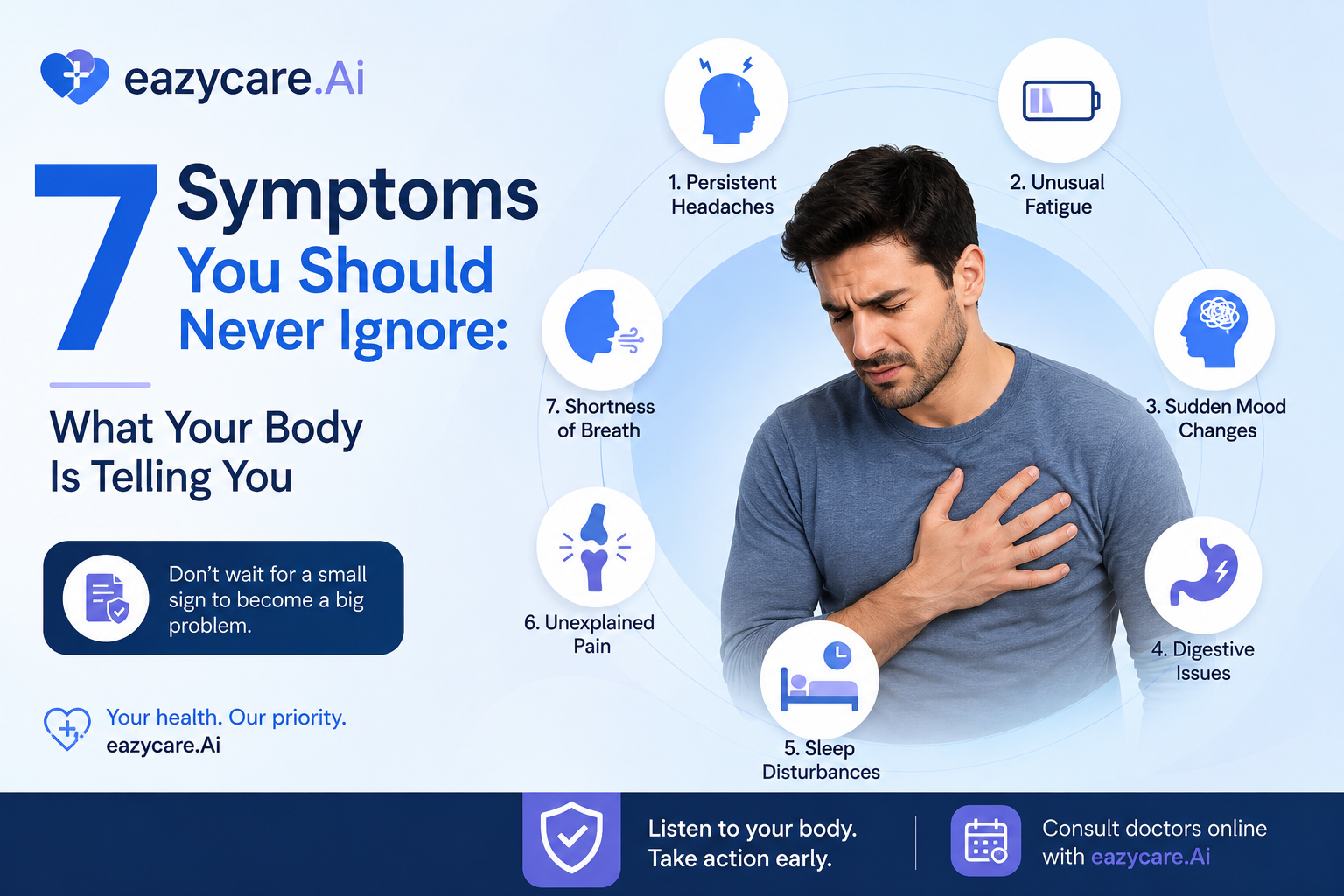
7 Symptoms You Should Never Ignore: What Your Body Is Telling You
Your body communicates distress through symptoms long before a condition becomes life-threatening. This clinician-written guide explains 7 symptoms that demand urgent attention, why they matter in the Southeast Asian health context, and exactly when to seek care.